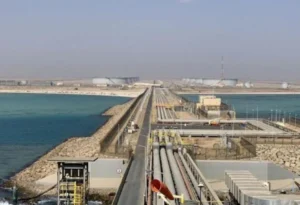



Power sector remains the largest recipient of government support despite a reduction in overall subsidy allocations.
ISLAMABAD: The federal government has proposed significant changes to subsidy allocations in the budget for fiscal year 2026-27, revising financial support across multiple sectors while discontinuing subsidies for some areas as part of broader fiscal management efforts.
According to budget documents, the government has proposed Rs830 billion in subsidies for the power sector during the upcoming fiscal year, compared to Rs893 billion allocated in the current year. The move reflects efforts to streamline expenditures while continuing support for the country’s energy infrastructure.
To address the persistent challenge of circular debt, the government has recommended allocating Rs252 billion. An additional Rs248 billion has been proposed under the Inter-DISCO Tariff Differential Subsidy mechanism to help maintain electricity tariff stability across distribution companies.
The budget documents also reveal an increase in the subsidy proposed for tariff differential payments to K-Electric, which is expected to rise to Rs163 billion. Meanwhile, Rs81 billion has been earmarked for Azad Jammu and Kashmir, while Rs34 billion has been allocated for the merged districts of Khyber Pakhtunkhwa.
Further allocations include Rs3 billion for agricultural tube wells in Balochistan and Rs48 billion for the Pakistan Energy Revolving Fund, aimed at supporting energy sector financing and sustainability initiatives.
Outside the power sector, the government has proposed Rs19 billion for PASSCO wheat reserves and price differential support. The budget also includes Rs5.8 billion for the production and supply of urea fertilizer, a measure intended to support the agriculture sector and ensure fertilizer availability.
In a notable step toward promoting sustainable transportation, the government has proposed Rs8 billion for an Electric Vehicle (EV) scheme. The initiative is expected to encourage the adoption of cleaner transport technologies and reduce reliance on conventional fuels.
About The Author