
Pakistan’s automotive manufacturers warn that the Finance Act 2026 has created tariff imbalances that could halt local vehicle production, discourage investment, and put millions of livelihoods at risk.
Pakistan’s automotive industry has raised serious concerns over the newly enacted Finance Act 2026, warning that controversial tariff changes could severely damage local manufacturing and threaten billions of dollars in investment. Industry representatives have urged Prime Minister Shehbaz Sharif to intervene immediately before the sector faces long-term economic consequences.
In a formal appeal, the Pakistan Automotive Manufacturers Association (PAMA) said the revised tariff structure places domestic manufacturers at a disadvantage by making imported completely built-up (CBU) vehicles cheaper than locally assembled completely knocked-down (CKD) vehicle kits. According to PAMA Director General Abdul Waheed, the policy shift risks undermining industrial growth, employment, foreign investment, and Pakistan’s manufacturing base.
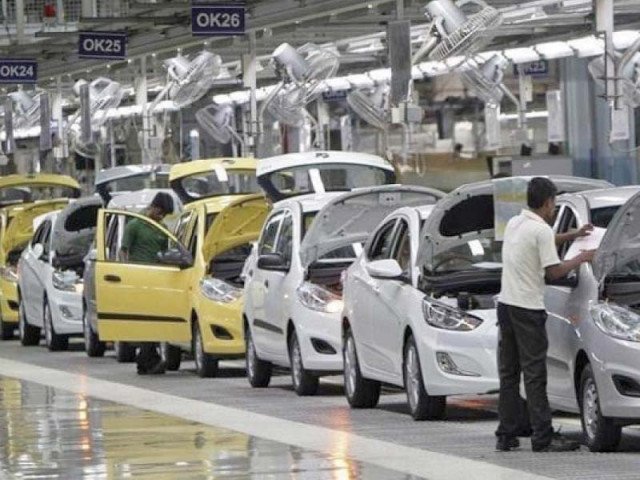
The association stated that Pakistan’s automotive industry includes 16 local assemblers producing more than 100 vehicle models under 31 international brands. Despite challenging economic conditions, the sector has maintained an average annual production of approximately 250,000 vehicles while supporting a vast network of manufacturers, vendors, and suppliers.
PAMA warned that the reduced import duties on foreign vehicles with engines below 850cc have significantly weakened the business case for producing affordable small cars locally. If the tariff imbalance is not corrected quickly, the association fears imported vehicles could dominate the market, forcing local production lines to slow or shut down.
About The Author