
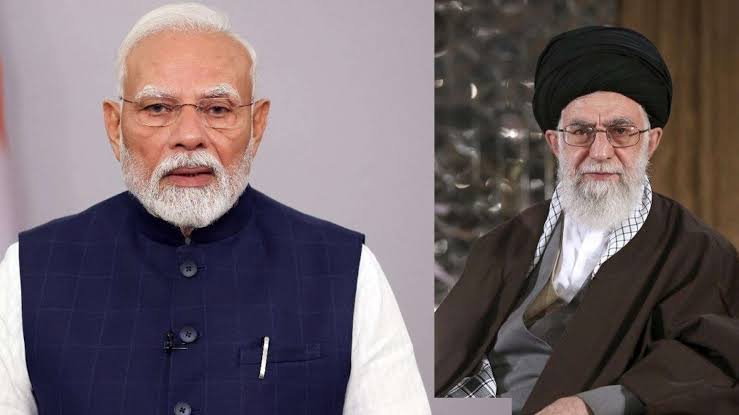

Modi’s reported decision to skip Ayatollah Ali Khamenei’s funeral has intensified political debate in India, with analysts linking the move to New Delhi’s delicate balancing of relations with Iran, Israel and the United States.
Indian Prime Minister Narendra Modi’s reported decision to skip the funeral of Iran’s late Supreme Leader, Ayatollah Ali Khamenei, has ignited political debate in India, with analysts questioning the diplomatic message behind New Delhi’s move.
According to Indian media reports, including The Times of India, Modi will not travel to Tehran for the state funeral. Instead, India will be represented by a delegation led by the Governor of Bihar and a Minister of State for External Affairs.
The decision has drawn mixed reactions across political and strategic circles. Critics argue that the Prime Minister’s absence could be viewed as a diplomatic setback, particularly as several countries are expected to send senior leaders or heads of state to the funeral.
Political analyst Praveen Shandilya told local media that the decision reflects India’s effort to protect its strategic relationships with the United States and Israel while maintaining working ties with Iran. Former Indian Army officer and defence analyst J.D. Bakshi also questioned the move, noting that senior Iranian leaders attended former Prime Minister Indira Gandhi’s funeral and suggesting India could have responded with a similar gesture.
The contrast has become more noticeable after Pakistan announced that Prime Minister Shehbaz Sharif would lead a high-level delegation to Tehran, accompanied by senior government and military officials.
About The Author