

Digital rights groups argue that AI-driven facial recognition and biometric data collection during student demonstrations violated constitutional privacy rights, while authorities defend the technology as essential for public security.
Indian digital rights activists and student leaders have launched a legal challenge against the government’s use of artificial intelligence-powered surveillance during recent student demonstrations in New Delhi, intensifying concerns over privacy and the expanding use of facial recognition technology.
Student activist Aishe Ghosh has petitioned the Delhi High Court, seeking a declaration that the police’s mass surveillance of protesters was unconstitutional. The petition calls for the immediate deletion of all personal and biometric data collected during the demonstrations and urges the court to establish legally binding guidelines governing the use of AI surveillance technologies at public gatherings.
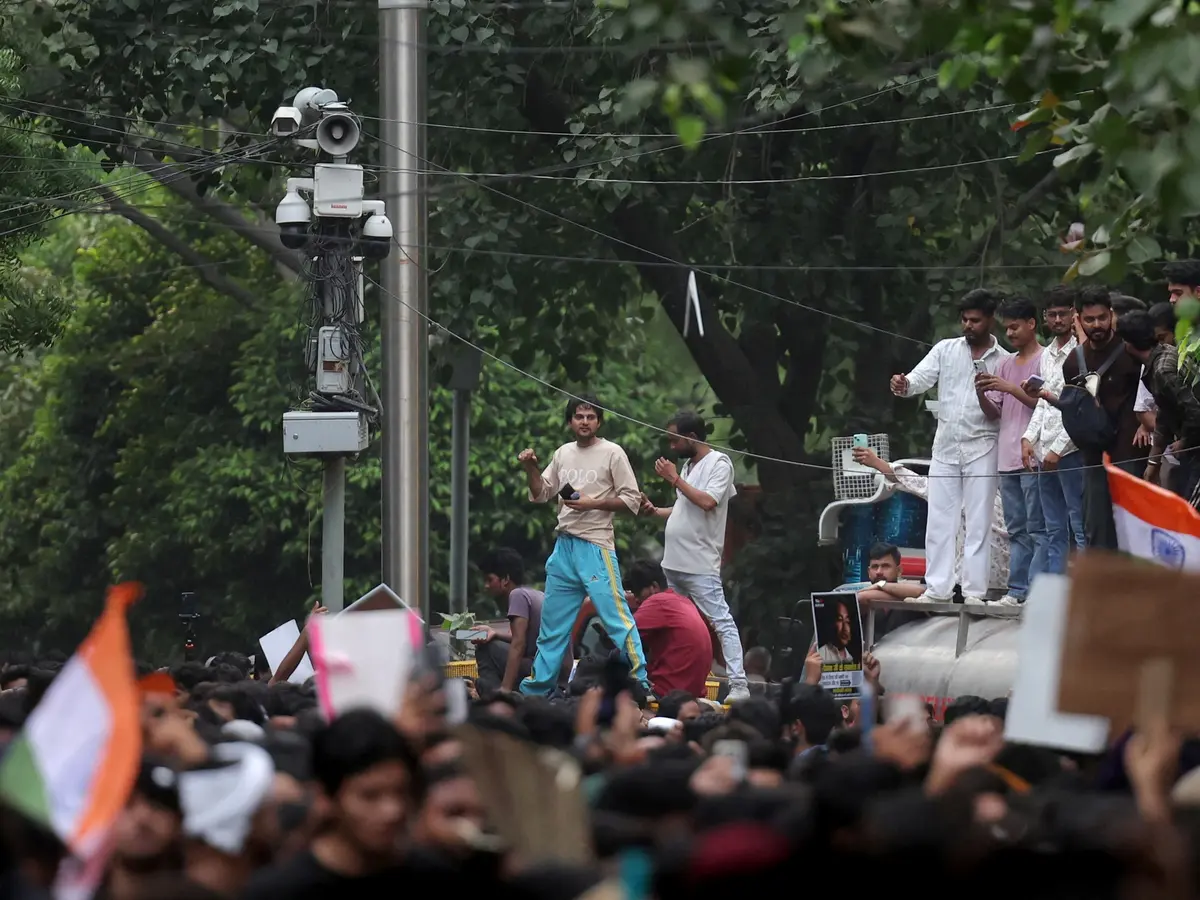
The case gained national attention after images surfaced showing an “Ikshana” mobile surveillance unit deployed at the main protest venue. Developed in collaboration with security company CP Plus, the vehicle was equipped with telescopic masts offering 360-degree monitoring, AI-enabled cameras, and real-time facial recognition capable of matching individuals against law enforcement databases while displaying confidence scores.
Rights advocates also alleged that police officers recorded the social media accounts of participants arriving at the demonstrations. The Internet Freedom Foundation and other digital rights organizations have formally urged Delhi Police to erase all biometric information collected during the protests, arguing that such practices threaten civil liberties.
Petitioners contend that India has no dedicated legal framework regulating police use of facial recognition technology. They argue that collecting biometric data from peaceful demonstrators without clear legal safeguards is disproportionate and infringes on constitutional privacy protections.
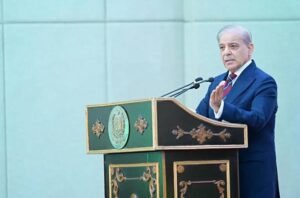
Representing the government, Solicitor General Tushar Mehta defended the surveillance measures before the Delhi High Court. He argued that individuals attending public demonstrations cannot expect the same level of privacy as in private spaces and maintained that the technology was necessary to preserve public order.
Delhi Police stated that the AI system was used exclusively to identify individuals with criminal records and estimate crowd size, insisting it did not interfere with the right to peaceful assembly.
About The Author