
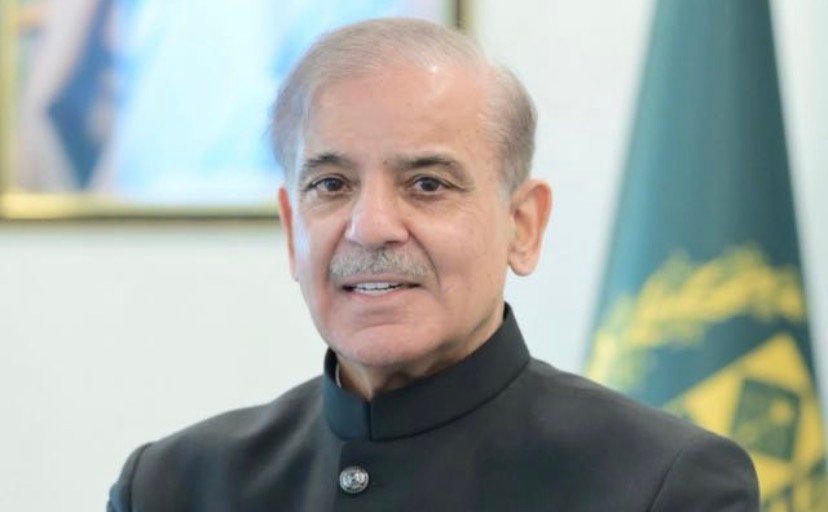

Prime Minister Shehbaz Sharif has directed all federal and provincial authorities to remain on maximum alert as heavy monsoon rains continue to threaten several regions, with officials warning of more downpours in the coming days.
ISLAMABAD: Prime Minister Shehbaz Sharif has directed federal and provincial authorities to remain on maximum alert and ensure full preparedness as Pakistan faces an intensifying monsoon season that has already caused significant loss of life and widespread damage.
The directive was issued during a high-level review meeting in Islamabad to assess the impact of ongoing monsoon rains, flooding, and the government’s emergency response. The Prime Minister instructed the National Disaster Management Authority (NDMA) to work closely with Provincial Disaster Management Authorities (PDMAs) and provincial governments to ensure timely sharing of weather forecasts and emergency alerts.
To strengthen coordination, Shehbaz Sharif assigned Planning Minister Ahsan Iqbal to chair daily Flood Committee meetings, enabling authorities to closely monitor the evolving situation and recommend measures to reduce the impact of heavy rainfall.
The Prime Minister also stressed that early warning systems for Glacial Lake Outburst Floods (GLOFs) and flash floods must remain fully operational, particularly in Pakistan’s northern mountainous regions where accelerated glacier melting continues to increase the risk of disasters.
Highlighting Pakistan’s vulnerability to climate change, Shehbaz Sharif said the country remains among the world’s most climate-affected nations despite contributing only a small share of global greenhouse gas emissions. He reaffirmed the government’s commitment to implementing short-, medium-, and long-term strategies aimed at improving climate resilience and disaster preparedness.
Officials informed the meeting that the NDMA is providing logistical support to provincial governments responding to flood emergencies in northern Pakistan while also assisting authorities managing the ongoing heatwave in Sindh and Balochistan.
According to the latest official figures, the current monsoon season has claimed 110 lives, injured 360 people, damaged 796 houses, and killed 376 livestock. Authorities also reported that roads blocked by flooding have been reopened at 106 locations, restoring access to affected communities.
The briefing warned that another spell of heavy rainfall is expected over the next two days in Azad Jammu and Kashmir, Gilgit-Baltistan, and southern Sindh, with a broader nationwide monsoon system forecast during the second week of September. Officials said preventive measures have already been initiated in high-risk areas vulnerable to glacier-related flooding.
Authorities further stated that urban flooding has largely been brought under control in central Punjab, including Lahore, while drainage operations continue in agricultural regions. The flood situation in Dera Ghazi Khan and surrounding districts also remains under control.
About The Author