
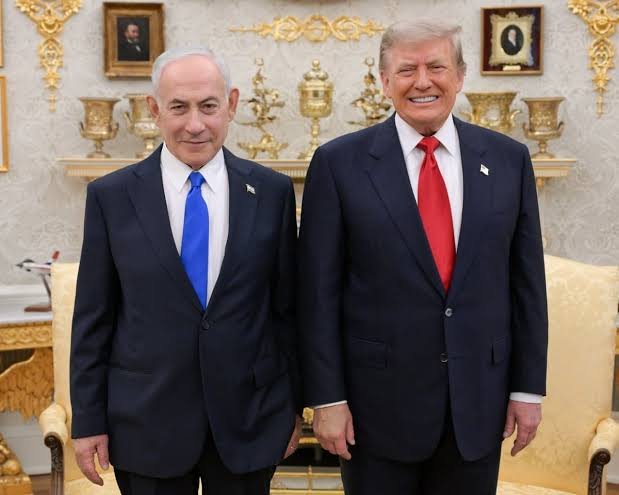

Benjamin Netanyahu has rejected Donald Trump’s 15-point Gaza peace proposal, insisting that Israeli forces will not withdraw until Hamas is fully disarmed.
Israeli Prime Minister Benjamin Netanyahu has rejected Donald Trump’s 15-point proposal for Gaza, deepening tensions with Washington and creating a major obstacle to efforts aimed at ending the conflict and beginning reconstruction in the territory.
Speaking at a Cabinet meeting Sunday, Netanyahu said Israel would not withdraw its forces from Gaza until Hamas has undergone what he described as genuine and complete disarmament. He also maintained that Israeli troops would continue responding to threats against Israeli soldiers and civilians.
The disagreement highlights a fundamental divide over the sequence of steps envisioned under Trump’s Gaza initiative. The proposal calls for military reductions or withdrawals from designated areas, while also establishing a framework for Hamas’ disarmament and Gaza’s reconstruction.
Hamas has indicated that surrendering its weapons would be conditional on Israel ending its military operations and withdrawing its forces completely from Gaza. The opposing positions have made implementation of the proposed framework increasingly difficult.
The dispute comes despite an agreement reached last October aimed at pausing hostilities. Israeli strikes in Gaza have nevertheless continued, adding further pressure to diplomatic efforts to establish a durable ceasefire.
Trump had previously presented the initiative as an important step toward long-term regional stability after Hamas signaled support for a process focused on demilitarisation. Netanyahu, however, warned against what he called a false or symbolic disarmament process and insisted that Israel must be certain Hamas no longer poses an armed threat before any significant military pullback.
The plan includes the creation of a Board of Peace, which would oversee Hamas’ demilitarisation, monitor the withdrawal of Israeli forces and coordinate reconstruction efforts across Gaza.
Netanyahu is now holding discussions with U.S. officials over the next phase of the initiative. The disagreement could determine whether Trump’s proposal can move from a diplomatic framework to practical implementation.
About The Author