
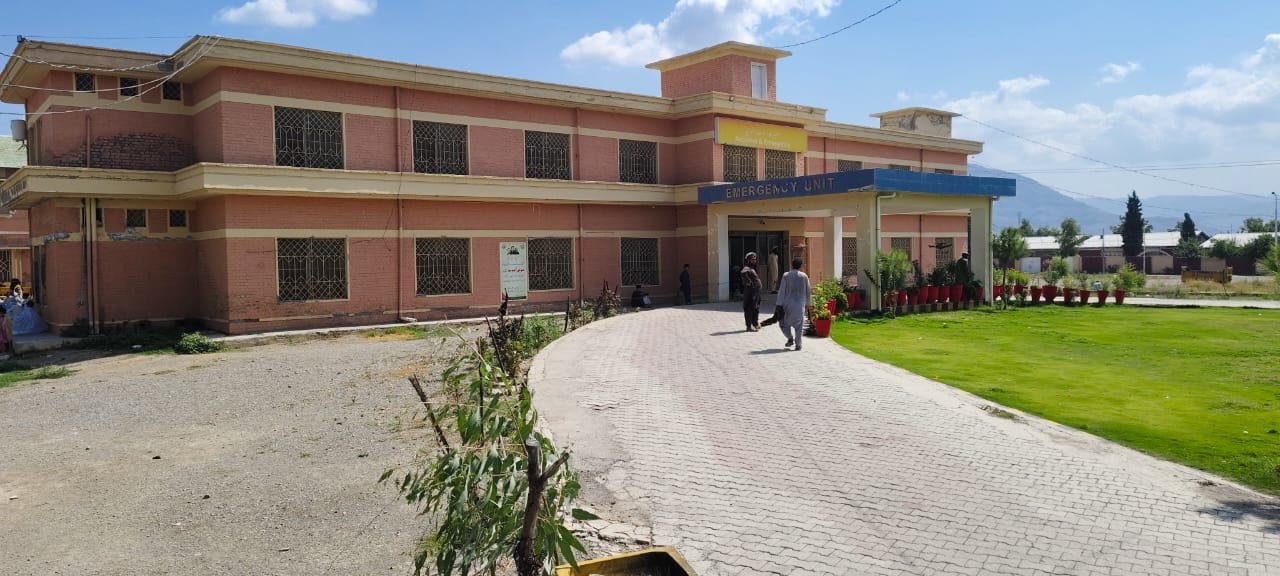

Residents call for better use of trained medical staff, improved diagnostic services and transparent specialist policies at Wana DHQ Hospital.
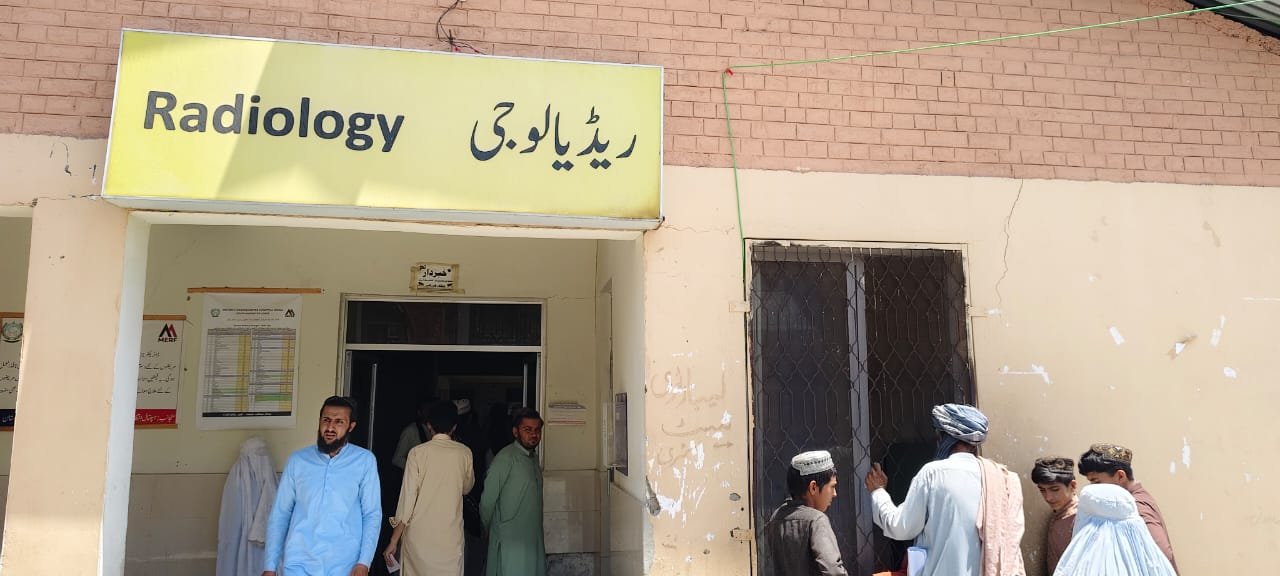
WANA: Public concern is growing over the availability of radiology and nephrology services at District Headquarters Hospital Wana, with residents calling for better diagnostic facilities and more effective use of trained medical personnel.
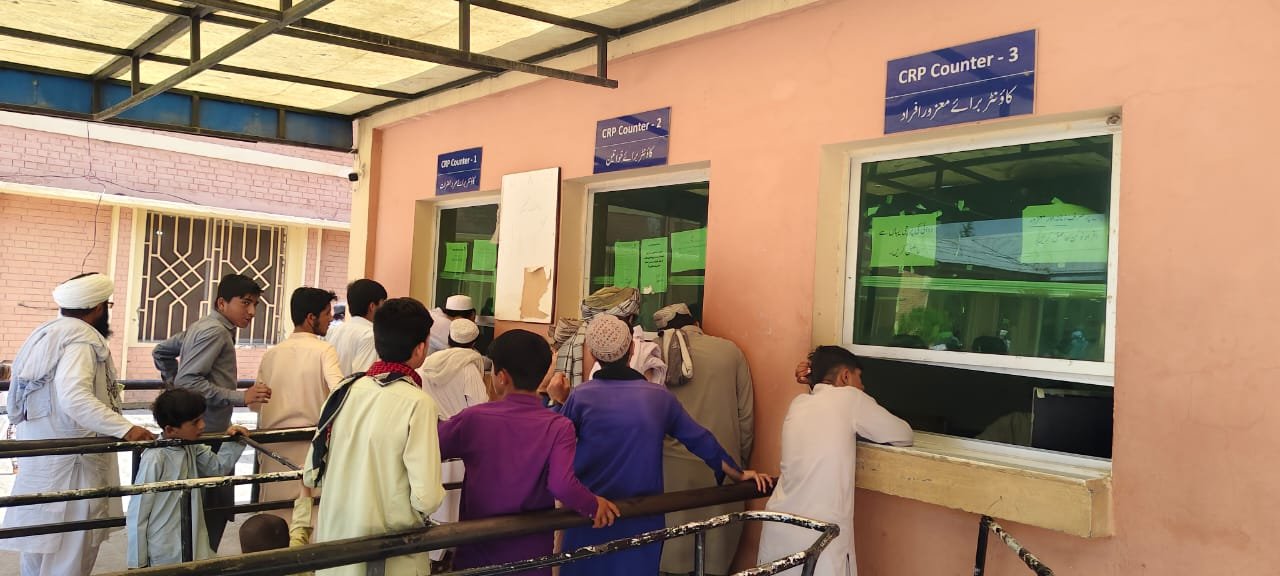
According to local sources, the limited availability of consistent radiology services has reportedly forced some patients to seek ultrasound and other diagnostic tests from private facilities. For residents from low-income families and remote areas, such arrangements can create additional financial pressure and may contribute to delays in diagnosis and treatment.
Residents have also raised questions about how doctors with specialized radiology training are being utilized at the hospital. They argue that where a doctor has completed MBBS, house job and FCPS training in radiology, the individual’s professional expertise should, within applicable rules and regulations, be used effectively for the benefit of patients.
Public representatives further argue that while the final FCPS examination carries significance under relevant regulations for formal specialist appointments, trained doctors with clinical expertise should also be utilized through a clear and transparent policy that reflects the actual requirements of the hospital.
Nephrology and dialysis services have also emerged as an area of concern. Residents say access to specialized kidney-care services remains particularly important for South Waziristan, where patients can face considerable difficulties in traveling to distant healthcare facilities.
The public has urged MERF and the relevant hospital authorities to strengthen radiology services at Wana DHQ Hospital, make appropriate use of available trained medical personnel within existing rules, and establish clear and uniform criteria for specialist and trained doctors.
Residents have also called for written clarification where a specific qualification, designation or legal requirement is mandatory for a particular post or medical service. They believe greater transparency could help address concerns among patients, healthcare workers and the wider community.
For residents, the issue is not about targeting any individual but ensuring timely, quality and dignified healthcare. They argue that healthcare policies for Wana and South Waziristan should take local conditions and ground realities into account.
The public says patients should not have to travel long distances or depend on private facilities for essential diagnostic services when such care can be effectively provided locally.
About The Author