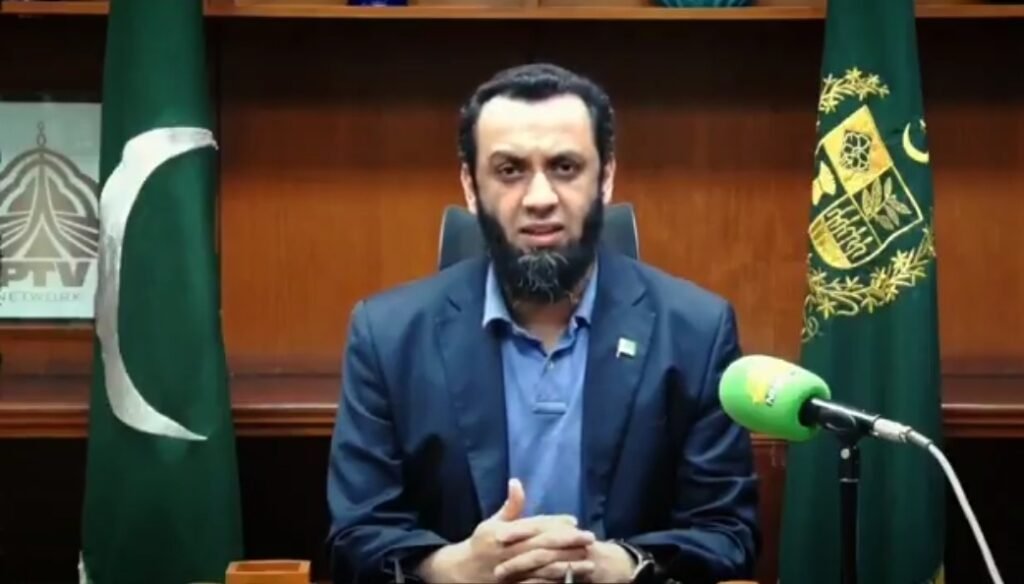

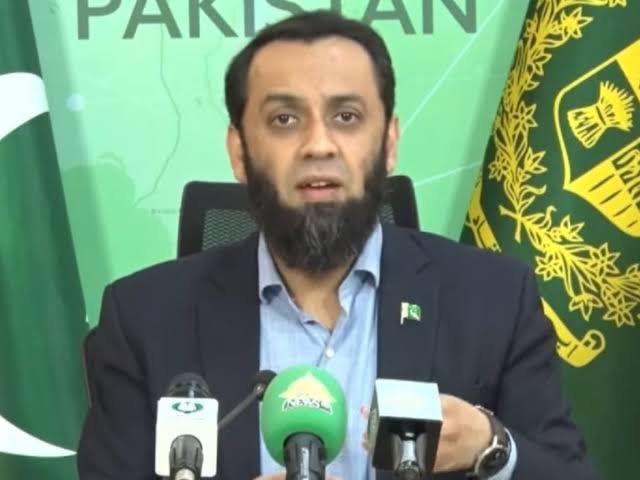

Information Minister Attaullah Tarar says Pakistan has raised its legal and diplomatic position on the Indus Waters Treaty internationally and will not allow water to be used as a weapon.
ISLAMABAD: Federal Minister for Information and Broadcasting Attaullah Tarar said international agreements cannot be unilaterally suspended or terminated, stressing that the Indus Waters Treaty remains central to Pakistan’s water, agricultural and economic security.
Tarar made the remarks while addressing the launch ceremony of a special report by the Institute of Strategic Studies Islamabad on the historical, legal and strategic dimensions of the use of water as a weapon and the suspension of the Indus Waters Treaty.
He welcomed the publication of the report, describing its release by the Institute of Strategic Studies as a commendable initiative. Tarar said Pakistanis took pride in their connection with the ancient civilization of the Indus Basin and emphasized the importance of the river system to the country’s people and economy.
The minister said implementation of an agreed treaty was binding on the parties concerned and maintained that the Indus Waters Treaty could neither be suspended nor kept in abeyance through unilateral action.
His comments come after the Permanent Court of Arbitration in The Hague ruled on Aug. 31 that the Indus Waters Treaty remains in force and that India’s decision to place it in abeyance was not justified under the treaty or applicable international law. India rejected the ruling and maintained that its decision to hold the treaty in abeyance remains in force.
Tarar said Pakistan had presented its position on the treaty at the diplomatic level and informed the international community of its legal stance. He also referred to the arbitration proceedings, saying international legal forums had issued decisions supporting Pakistan’s position. Pakistan’s Foreign Ministry has likewise said the arbitration award reaffirmed that the treaty remains binding and that its dispute-settlement mechanisms continue to operate.
The minister said Prime Minister Shehbaz Sharif had made Pakistan’s position clear at the United Nations, warning that any attempt to stop or divert Pakistan’s water would be considered an act of war. Recent reporting confirms that Sharif raised the issue during the 2026 UN General Assembly session.
Tarar said water was directly linked to the lives of Pakistan’s people, agriculture and the national economy. He described the Indus Waters Treaty as an instrument of peace and stability in the region and said Pakistan wanted peace but would not allow water to be used as a weapon.
He also highlighted Pakistan’s losses in the fight against terrorism, saying the country had sacrificed thousands of lives and suffered billions of dollars in economic losses.
The minister said Pakistan’s eastern neighbour had levelled what he described as baseless allegations of cross-border interference and subsequently announced that the Indus Waters Treaty would be kept in abeyance.
Tarar said Pakistan had raised its concerns through diplomatic channels and would continue to present its legal position before the international community. He reiterated that Pakistan sought peace while maintaining that its water rights under the treaty must be protected.
About The Author