
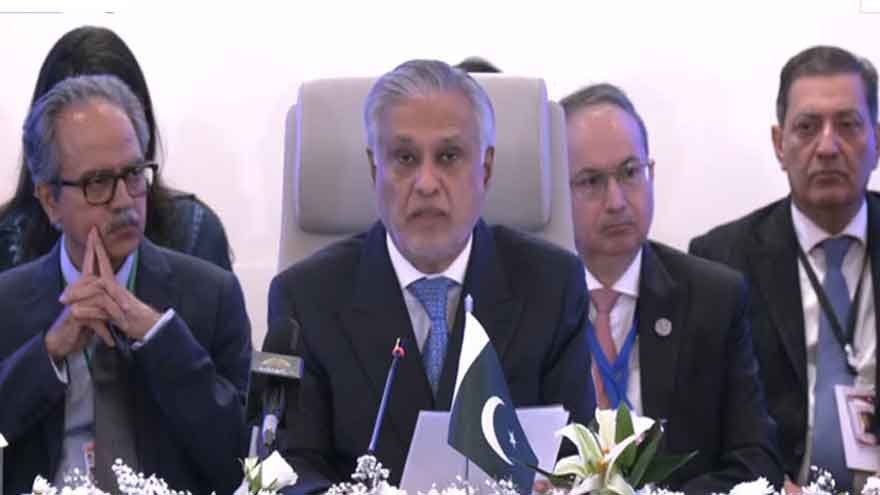

Ishaq Dar urges Afghan authorities to address neighbouring countries’ security concerns as Pakistan prioritises regional trade, connectivity and economic integration under its 2026–2027 ECO chairmanship.
ISLAMABAD: Deputy Prime Minister and Foreign Minister Ishaq Dar has urged Afghan authorities to address terrorism threats and the legitimate security concerns of neighbouring countries, saying lasting regional economic cooperation depends on peace, stability and trust among states.
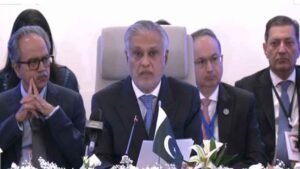
Addressing the second day of the 30th Economic Cooperation Organisation (ECO) Council of Ministers meeting in Islamabad on Monday, Dar said Pakistan wanted a peaceful, prosperous and stable Afghanistan that could become fully integrated into regional trade and connectivity initiatives.
However, he stressed that meaningful progress required the Afghan authorities to address security challenges, particularly the threat of terrorism.
“Pakistan desires a peaceful, prosperous, and stable Afghanistan, fully integrated within the ECO framework,” Dar said, adding that such an outcome would create opportunities for trade, transit and economic cooperation benefiting Afghanistan and the wider region.
He said insecurity and conflicts disrupted trade routes, energy supplies, investment and development projects, making a secure environment essential for regional economic integration.
“Peace and development reinforce each other. Economic cooperation creates shared interests in stability, while insecurity can undermine even the most promising development initiatives,” he said.
Pakistan reaffirms commitment to regional peace
Dar expressed concern over continuing conflicts and instability across the region, reiterating Pakistan’s position that disputes should be resolved through dialogue and diplomacy in accordance with international law and the United Nations Charter.
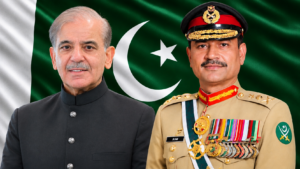
He said Prime Minister Muhammad Shehbaz Sharif, Chief of Army Staff and Chief of Defence Forces Field Marshal Syed Asim Munir, and the Foreign Office had remained engaged with regional countries and international partners to facilitate peaceful outcomes.
Dar added that Pakistan would continue diplomatic efforts supporting dialogue, de-escalation and lasting regional stability.
Emphasising the importance of trust and international commitments, he said unresolved disputes could undermine confidence between countries and obstruct economic partnerships.
Five priorities for Pakistan’s ECO chairmanship
Outlining Pakistan’s priorities for its 2026–2027 ECO chairmanship, Dar identified five key areas: trade and investment, regional connectivity, modernisation of trade arrangements, climate resilience and human development.
He said the ECO region had substantial natural resources, energy reserves, agricultural capacity and geographical advantages but needed stronger economic links to convert this potential into shared prosperity.
On trade and investment, Pakistan would work to expand market access, strengthen regional value chains and encourage private-sector participation, particularly among small and medium-sized enterprises.
Dar also highlighted transport connectivity between Central Asia, South Asia and Pakistan’s ports on the Arabian Sea. He said harmonised customs procedures, efficient border management and predictable transit arrangements were essential to making regional transport corridors commercially viable.
Push for modern trade arrangements and climate cooperation
The foreign minister said Pakistan would support efforts to modernise the ECO Trade Agreement, building on the negotiating strategy and roadmap approved by member countries’ trade ministers in November 2025.
He also highlighted progress towards finalising the Strategic Goals of Economic Cooperation 2026–2035, which would guide the organisation’s priorities over the coming decade.
Dar called for greater regional cooperation on climate resilience, disaster preparedness, early warning systems, sustainable water management and climate-resilient infrastructure.
He further stressed the importance of investing in education, research, innovation and vocational training to equip young people with skills for changing economic conditions.
ECO members urged to deliver practical results
Concluding his address, Dar urged member countries to translate their commitments into measurable progress for businesses and communities.
“We must translate geographic proximity into connectivity, connectivity into commerce, and commerce into lasting prosperity for our people,” he said.
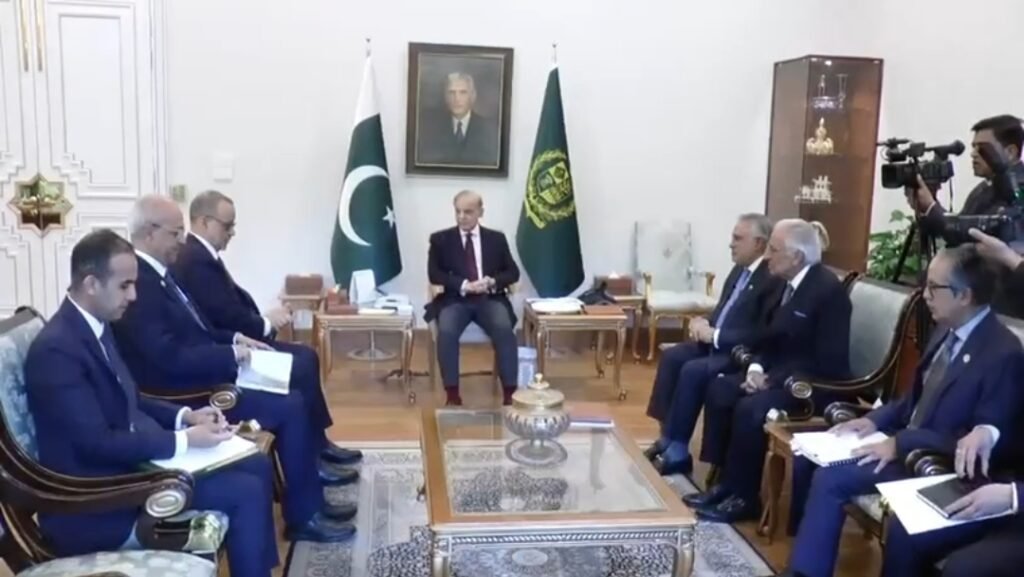
Pakistan is chairing the 30th ECO Council of Ministers meeting under the theme “Reviving Regionalism for a Resilient ECO.” Delegations from member countries, including Iran, Turkiye, Azerbaijan and Kazakhstan, are participating alongside representatives of the Organisation of Islamic Cooperation and Shanghai Cooperation Organisation.
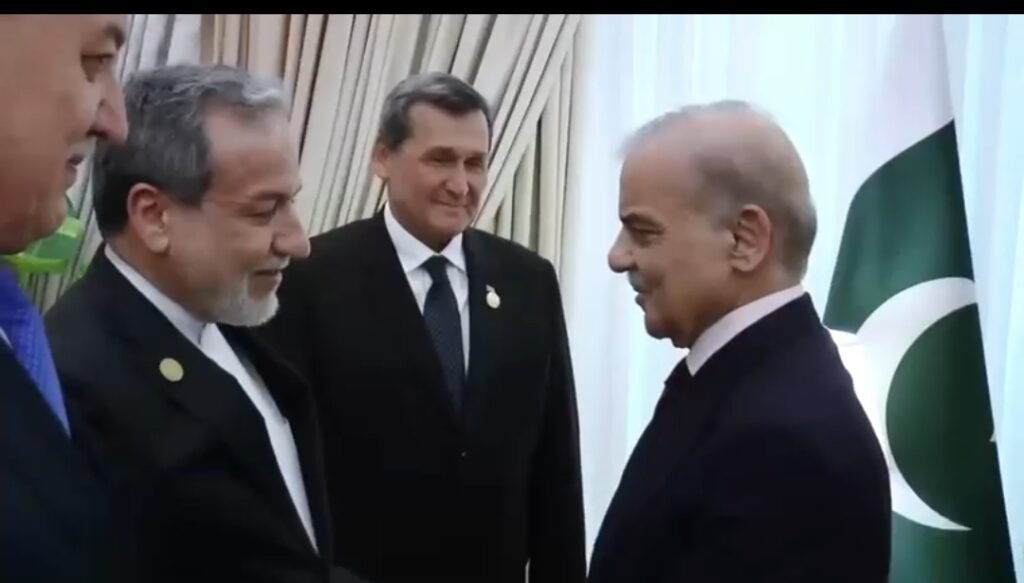
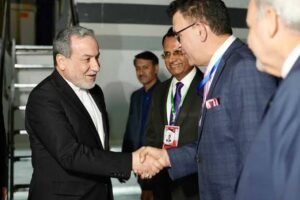
Meanwhile, Iranian Foreign Minister Seyed Abbas Araghchi arrived in Islamabad with a political and economic delegation to attend the meeting. According to the Foreign Office, he was received by Additional Foreign Secretary Muhammad Tariq Wazir and is expected to address the gathering and hold bilateral meetings with Pakistani officials and representatives of other member states.
About The Author