

PPP chairman calls for electoral reforms and elections within six months, warns against imposing changes to Sindh’s provincial boundaries without public consent.
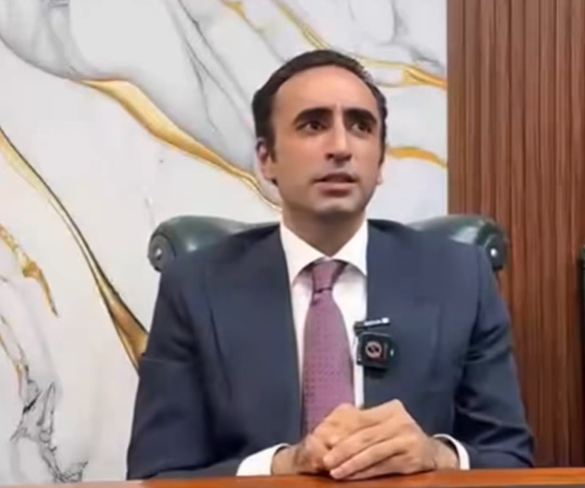
ISLAMABAD: Pakistan Peoples Party (PPP) Chairman Bilawal Bhutto Zardari has called for general elections within six months, urging the government to prioritise electoral reforms instead of pursuing a referendum on the creation of new provinces.
Speaking in a television interview, Bilawal expressed confidence that the PPP would win another election, saying he wanted to demonstrate why the people of Sindh had voted for his party. He questioned the need for a referendum on provincial boundaries when the country was already facing serious political and economic challenges.
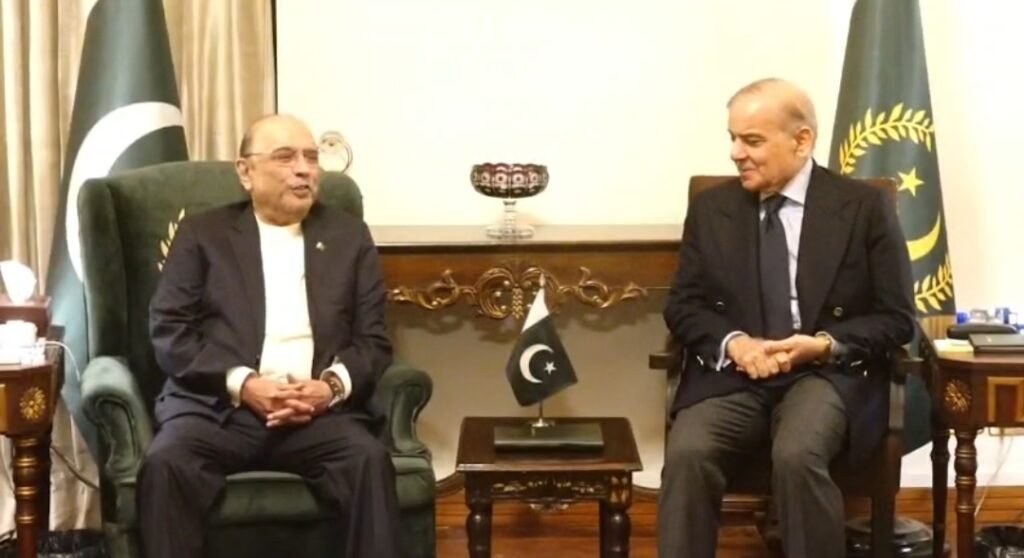
The PPP chairman said no formal discussion about holding a referendum had taken place during the meeting between President Asif Ali Zardari and Interior Minister Mohsin Naqvi in Nawabshah or the subsequent meeting between the president and Prime Minister Shehbaz Sharif in Lahore.
Bilawal criticised those advocating the creation of new provinces, questioning their electoral standing and why major decisions concerning the country’s political structure were being discussed without proper consultation with political parties and elected representatives.
Warning against any attempt to divide Sindh without the consent of its people, he said such a move could create serious law and order problems and potentially lead to bloodshed. He clarified that his remarks were intended as a warning rather than a threat.
Recalling the political tensions in Sindh during the 1980s and 1990s, Bilawal said attempts to create divisions in the province had previously contributed to instability. He cautioned that imposing similar decisions through force could have serious consequences for the province, the federation and the national economy.
He also questioned Interior Minister Mohsin Naqvi’s understanding of Sindh’s geography, saying those advocating a referendum on provincial boundaries should understand the locations and circumstances of the province’s cities.
Bilawal maintained that the PPP was a major stakeholder in the existing political arrangement and had the right to offer suggestions about a possible political reset. He questioned whether discussions about restructuring the system were intended to produce a democratic or non-political arrangement.
On the 27th Constitutional Amendment, the PPP chairman described the establishment of constitutional courts as a historic achievement, adding that he stood by the amendment and had never called for its withdrawal or the abolition of constitutional courts.
However, he acknowledged that his party had been unable to secure input from opposition parties during the amendment’s passage, unlike the consultations held before the 26th Constitutional Amendment through Jamiat Ulema-e-Islam-Fazl chief Maulana Fazlur Rehman.
He also expressed surprise over the resignations of judges following the passage of the 27th Amendment, noting that similar resignations had not followed the 26th Amendment. He said he had advocated seeking input from the judiciary and legal community.
Addressing political reconciliation, Bilawal proposed restoring the opposition’s reserved seats as a possible starting point for rebuilding trust. He stressed that the suggestion was neither an ultimatum nor a red line and that the government could accept or reject it.
He said the PPP had supported the coalition government even when the reserved seats were not part of its political arrangement and would continue supporting it if they were not restored. He acknowledged that backing the government had carried political costs for his party but said he wanted Prime Minister Shehbaz Sharif to succeed.
Commenting on former prime minister Imran Khan’s detention, Bilawal questioned whether he could be described as a political prisoner, given that he was both a politician and an inmate. He also expressed the hope that a Pakistani prime minister would one day complete his political journey without ending up in prison.
Concluding his remarks on the country’s challenges, Bilawal urged political leaders to focus on economic difficulties affecting ordinary citizens, saying the country’s leadership needed to better understand the financial pressures faced by the public.
He warned that major political decisions imposed without consultation could have far-reaching consequences for society, democratic institutions and the federation.
About The Author