

Recent US-Israeli strikes near Tehran highlight the central role of Ayatollah Ali Khamenei in regional conflicts
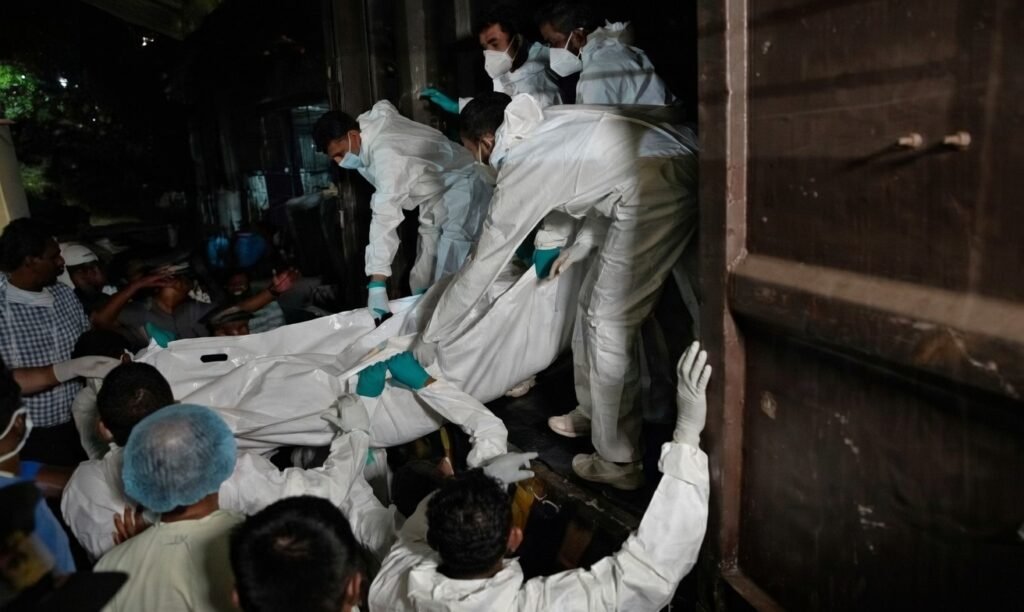
Fresh US and Israeli military actions in Iran have intensified attention on the nation’s top authority, Supreme Leader Ayatollah Ali Khamenei. Reports indicate missile strikes in northern Tehran, near the presidential complex and sites linked to Khamenei’s compound, prompting speculation about potential threats to Iran’s leadership. His precise location remains undisclosed.
Khamenei, 86, has led Iran since 1989, succeeding Ayatollah Ruhollah Khomeini. As Supreme Leader, he controls the armed forces, judiciary, and major state institutions, while also serving as the country’s highest religious authority. His power is reinforced by the Islamic Revolutionary Guard Corps (IRGC) and allied paramilitary groups. Under his tenure, Iran has faced domestic unrest, international sanctions, and sustained tension with Western nations. Khamenei insists Iran’s nuclear program is civilian, despite accusations of nuclear weapons ambitions.
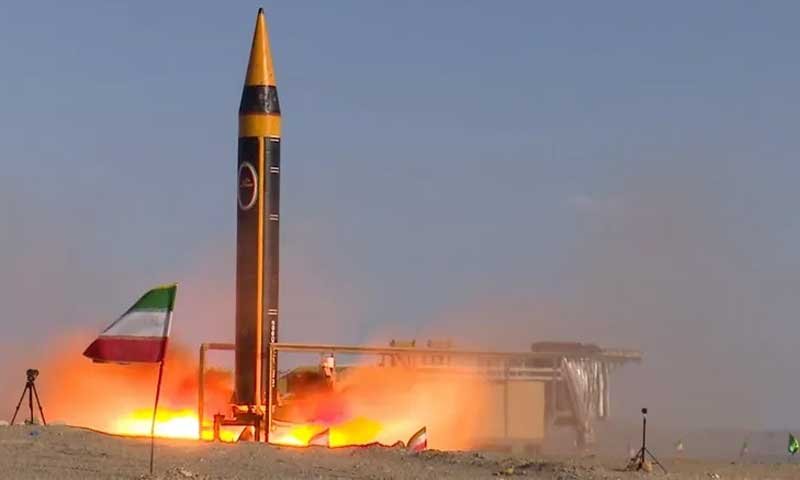
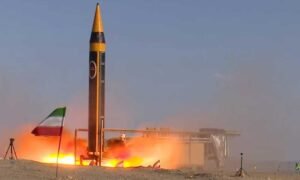
Analysts suggest recent strikes aim to weaken Iran’s senior leadership and security apparatus. Israeli officials have previously issued direct warnings to Khamenei, and US leaders have emphasized pressure on Iran’s top leadership. Washington has also signaled that Iran’s missile and naval facilities are primary targets, while urging political change actions Tehran views as interference in domestic affairs. The situation leaves both the security of Iran’s leadership and the broader regional conflict highly uncertain.
About The Author