
WEB DESK: Iran’s powerful military arm, the Islamic Revolutionary Guard Corps (IRGC), has issued a dramatic proposal that is already rattling global energy markets. The force announced that any European or Arab country willing to expel the ambassadors of the United States and Israel would receive what it described as “unrestricted access” through the strategically crucial Strait of Hormuz.
According to maritime industry reports, the statement took effect Tuesday and appears aimed at weakening the diplomatic alliance supporting recent military operations targeting Iranian infrastructure. By leveraging influence over one of the world’s most important oil shipping routes, Tehran is attempting to trade energy access for diplomatic distance from Washington and Tel Aviv.
The Strait of Hormuz a narrow waterway carrying roughly one-fifth of global oil supplies has quickly become the center of the crisis. After a week of air strikes by the United States and Israel, Iranian officials say they are pursuing a “zero-export” policy for countries considered hostile.
An IRGC spokesperson said on state television that “not a single drop of crude” would reach adversaries, while nations distancing themselves from Western powers could receive a safe corridor for energy shipments.
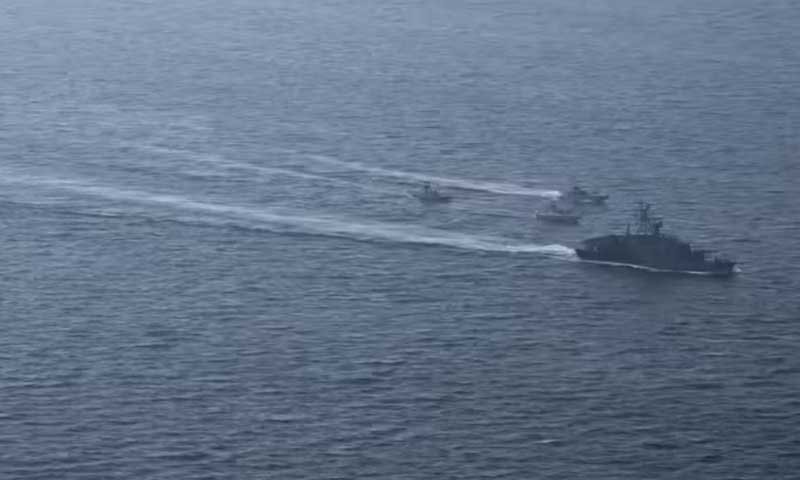
Western governments have swiftly rejected the proposal, reaffirming that freedom of navigation cannot be dictated by political pressure. Meanwhile, maritime insurers and shipping firms are growing cautious, leaving multiple energy tankers waiting in nearby waters as naval patrols intensify around the strait.