
Airstrikes, missile exchanges and closure of Strait of Hormuz fuel fears of wider Middle East conflict
Tensions across the Middle East escalated sharply Sunday after Ayatollah Ali Khamenei was killed in coordinated U.S. and Israeli strikes, prompting swift retaliation from Tehran and raising fears of broader instability.
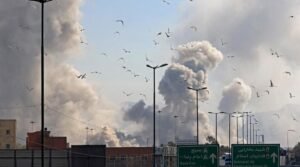
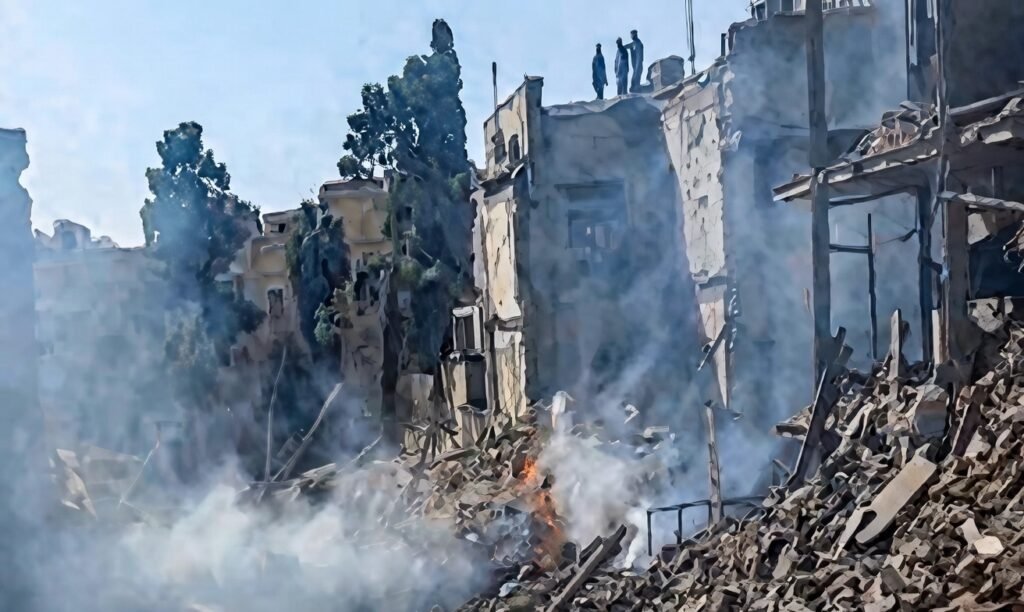
Iranian state media confirmed additional Israeli strikes targeting ballistic missile and air defense systems. Israeli authorities reported air raid sirens sounding across the country, with explosions heard in Tel Aviv as the Iron Dome intercepted incoming missiles. No immediate casualties were reported.
U.S. President Donald Trump defended the operation, calling it necessary to counter Iran’s nuclear ambitions and past regional actions. Analysts said the killing of Khamenei, 86, marks a significant blow but is unlikely to dismantle Iran’s clerical leadership or the influence of the Islamic Revolutionary Guard Corps.
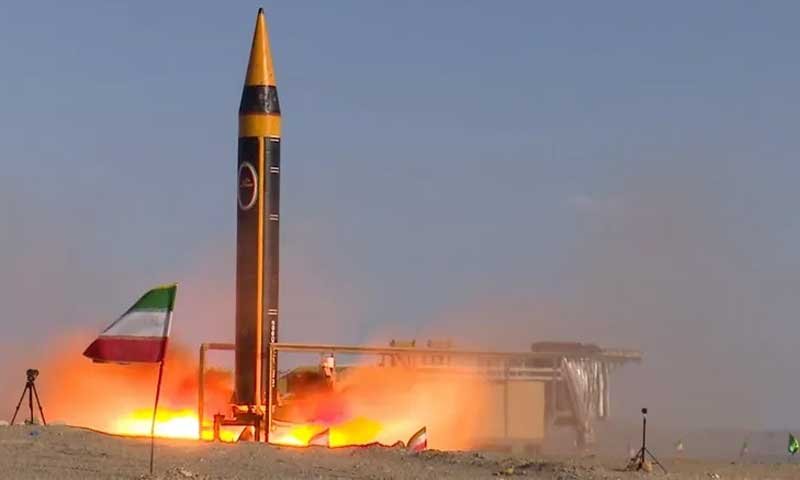
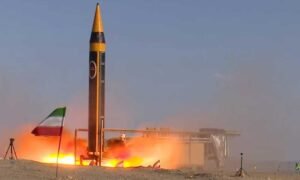
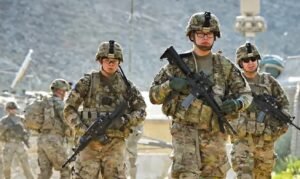
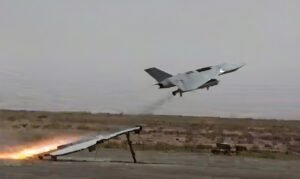
Iran launched hundreds of missiles and drones at U.S. bases and Israeli cities in response, disrupting aviation across regional hubs including Dubai International Airport. Damage was reported in Gulf cities, including to the iconic Burj Al Arab.
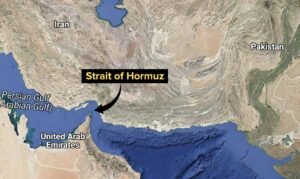
Tehran also announced a temporary closure of the Strait of Hormuz, a key artery for global oil shipments, potentially driving energy prices higher.
U.N. Secretary-General Antonio Guterres urged an immediate halt to hostilities, warning that diplomatic avenues were rapidly narrowing as the crisis deepens.
About The Author