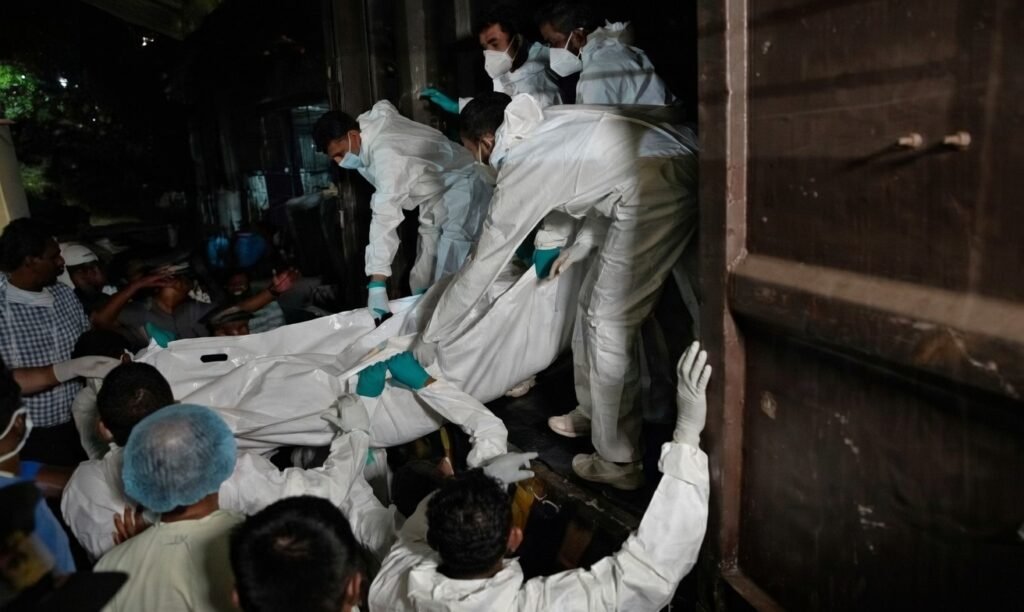

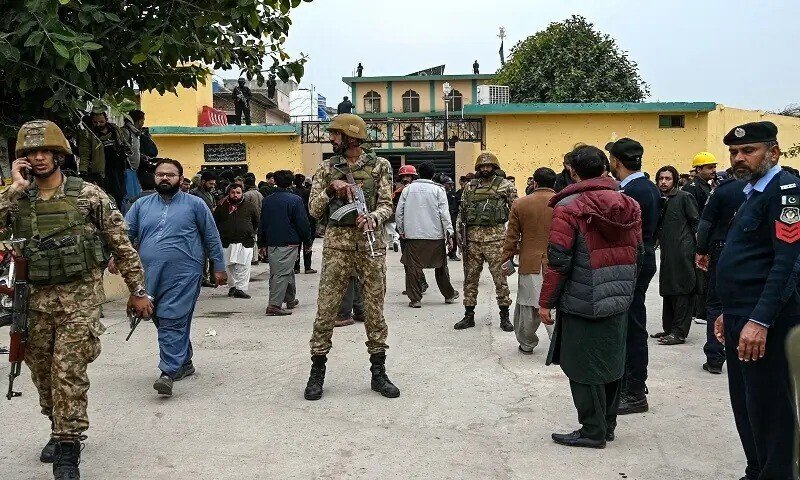
ISLAMABAD: Pakistani security agencies have assessed the militant Islamic State-Khorasan (IS-K) as a more entrenched and operationally sophisticated threat than the banned Tehreek-i-Taliban Pakistan (TTP) following investigations into the Feb. 6 bombing at an Islamabad Imam Bargah.
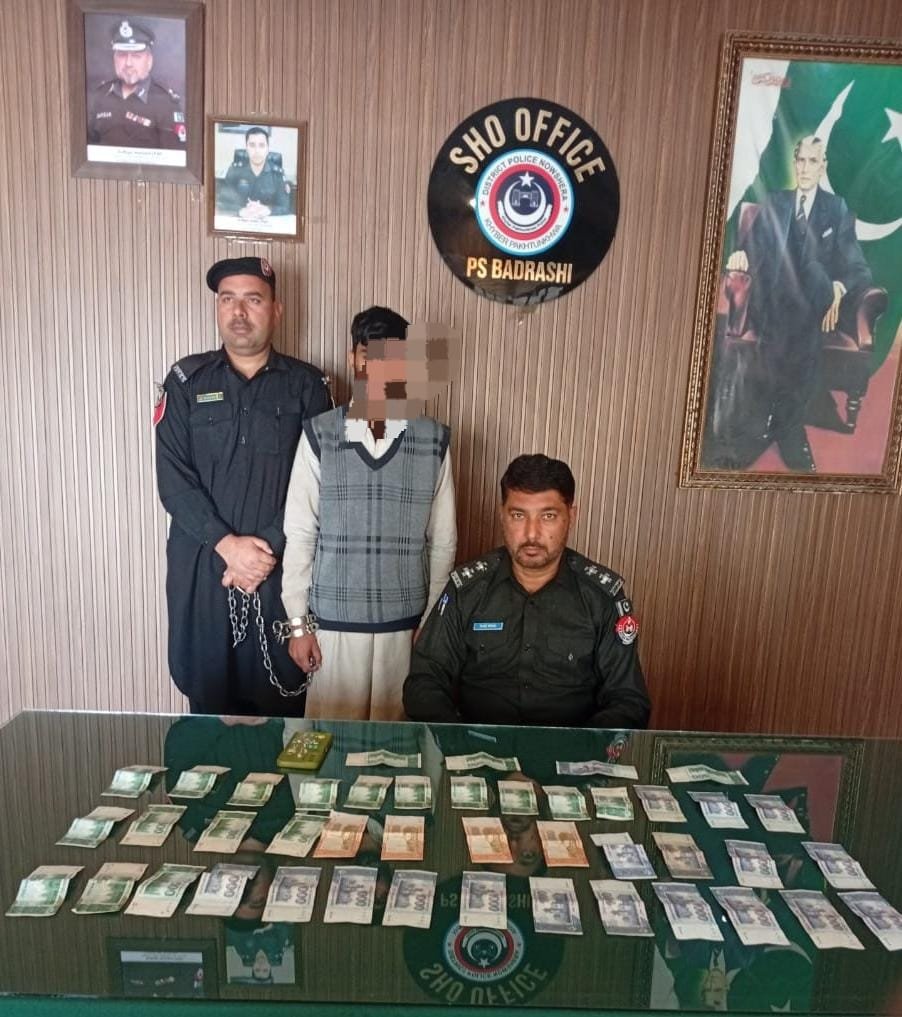
According to officials cited by Dawn, intelligence personnel traced the suspected handler of the attack within hours to a residence in Nowshera’s Hakimabad area. A joint team cordoned off the house, but the main suspect opened fire during the operation, killing an assistant sub-inspector and wounding two intelligence officers before being shot dead.
Authorities identified the suspect as Yousaf alias Qasim, also known as Idrees, allegedly IS-K’s regional head in Bajaur and the handler of the suicide bomber. He reportedly carried a Rs12 million bounty.
Investigators linked the network to several high-profile attacks, including the 2021 JUI-F convention bombing and multiple targeted killings of political and security figures.
Officials said the group frequently shifted locations across Punjab and Khyber Pakhtunkhwa to evade arrest. They also cited cross-border movement to Afghanistan, the use of cryptocurrency for funding, and encrypted communications as factors complicating enforcement efforts.
Based on the probe, authorities concluded IS-K demonstrates greater compartmentalization, ideological commitment and capacity for mass-casualty attacks than the TTP.