
Deadly gunfire during protests outside the US mission sparks debate on sovereignty, immunity, and accountability
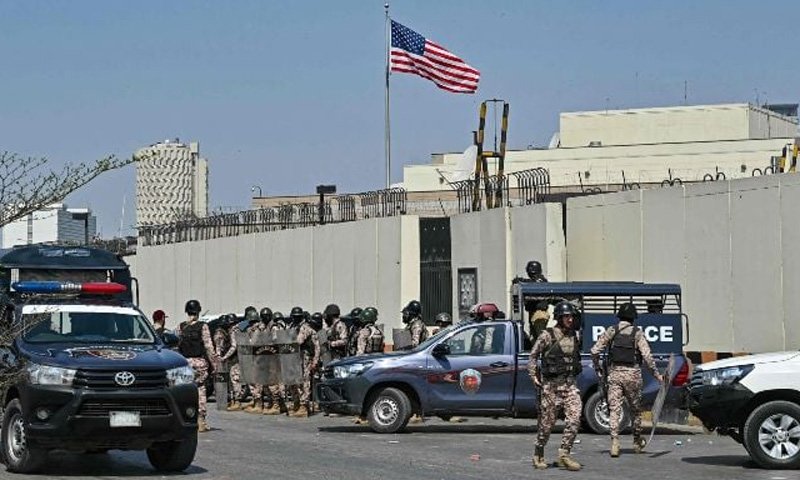
The deadly shooting outside the U.S. Consulate in Karachi on March 1, 2026, has triggered not only public outrage but also a complex legal debate over responsibility and the limits of diplomatic protection.
Violence erupted when hundreds of protesters gathered outside the consulate following the assassination of Iran’s Supreme Leader Ayatollah Ali Khamenei in strikes attributed to Israel and the United States. Protesters breached the outer perimeter of the mission, and gunfire during the chaos left at least 10 people dead and dozens injured.
U.S. officials confirmed that Marine security guards stationed at the compound fired weapons during the incident. However, it remains unclear whether the casualties were caused by Marines, local police, or private security personnel responding to the unrest.
Legal experts say the incident has revived a persistent misconception that foreign diplomatic missions are sovereign territory. Under the Vienna Convention on Consular Relations (1963), consulates remain part of the host state Pakistan in this case while enjoying “inviolability,” meaning authorities cannot enter or interfere with the premises.
Oves Anwar of the Research Society of International Law told Dawn News that attacks on diplomatic facilities could also fall under Pakistan’s Anti-Terrorism Act, emphasizing the state’s duty to protect such missions.
The use of lethal force has also come under scrutiny. International human rights standards require law enforcement to use force only when necessary and proportionate, prioritizing the preservation of life.
Jurisdiction further complicates accountability. Under the Vienna Convention on Diplomatic Relations (1961), mission personnel often enjoy immunity from prosecution for official acts. Experts say Marine security guards could fall under technical staff protection, making prosecution in Pakistan unlikely unless the United States waives immunity.
For victims’ families, compensation may come only through diplomatic negotiations rather than legal obligation leaving many questions about justice unresolved.
About The Author