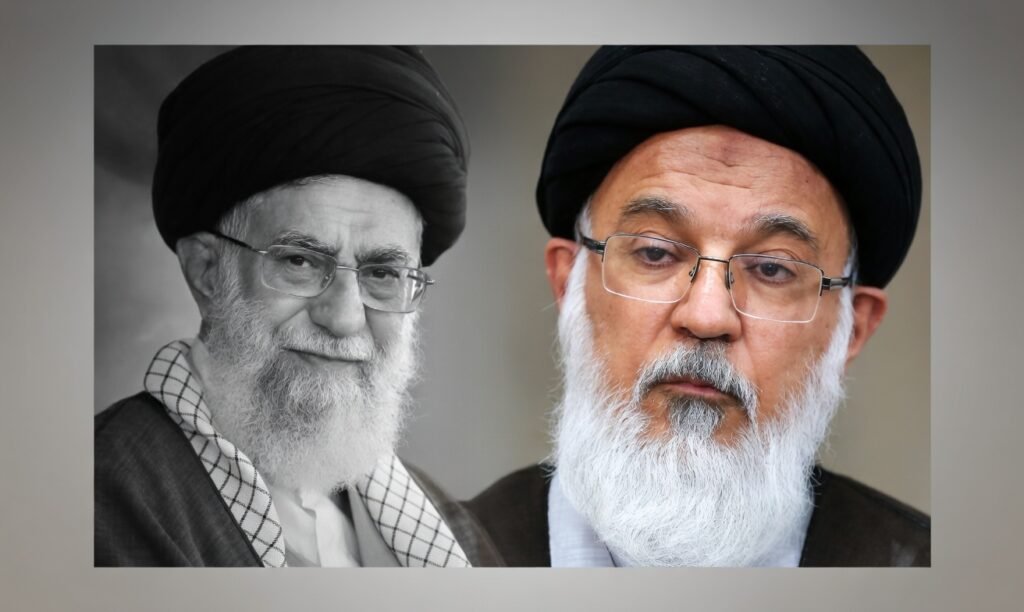
Clerical elite weigh candidates following Ayatollah Ali Khamenei’s death; internal debates over succession process continue
TEHRAN: A growing majority of Iran’s powerful clerical body tasked with selecting the nation’s next supreme leader appears to be coalescing around a prospective candidate, Iranian media reported Sunday.
Ayatollah Mohammadmehdi Mirbagheri, a member of the Assembly of Experts, said most clerics have agreed on a candidate but acknowledged “some obstacles” remain before finalizing the decision. Debate continues over whether the full assembly must meet in person or if alternative procedures could confirm the appointment.
The Assembly convened after Ayatollah Ali Khamenei’s assassination in US-Israeli strikes on February 28, 2026. Khamenei, Iran’s supreme leader since 1989, wielded ultimate authority over the military, judiciary, and foreign policy. His death marks a historic turning point for the Islamic Republic after nearly four decades.
Among potential successors, Mojtaba Khamenei, one of Khamenei’s sons, has emerged as a leading figure due to his influence within the clerical establishment and ties to the Islamic Revolutionary Guard Corps. Critics warn that hereditary succession could clash with the principles of the 1979 Islamic Revolution. Reports suggest at least 14 Assembly members may have boycotted an earlier session over concerns about undue influence.
Under Iran’s constitution, the Assembly of Experts, an 88-member clerical body, must elect a new supreme leader within three months of a vacancy. Senior clerics have called for a swift decision to stabilize the country amid ongoing regional and domestic uncertainty.
Despite reports of growing consensus, no official appointment has yet been confirmed.
About The Author