
Govt stresses peace efforts as speculation grows over a possible backchannel ceasefire framework
ISLAMABAD: Pakistan on Monday struck a careful tone, neither confirming nor denying reports that it may have played a role in shaping a possible ceasefire plan tied to the ongoing tensions involving Iran, the United States and Israel.
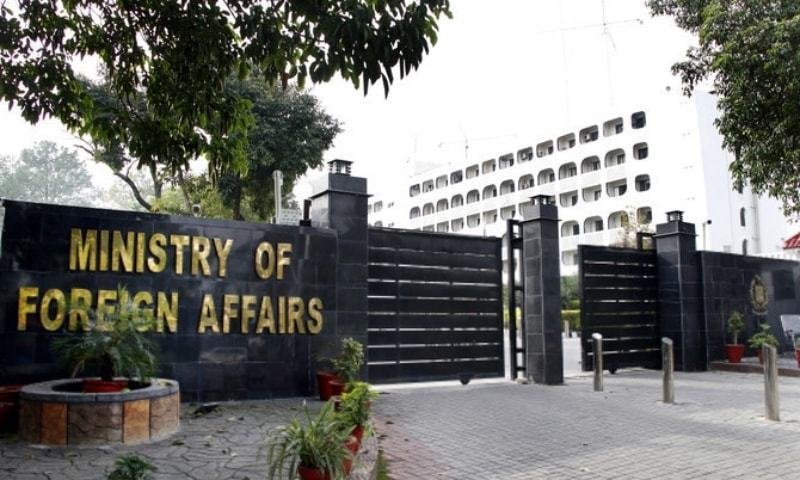
At a routine briefing, a Foreign Office spokesperson dismissed the growing buzz around a reported 45-day ceasefire proposal and a detailed framework, saying Islamabad would not engage in commenting on “specific” media claims.
Still, officials made it clear that behind the scenes, Pakistan remains engaged in efforts aimed at cooling tempers in an increasingly volatile region.
Diplomatic circles have been abuzz with talk of a proposed plan informally referred to as the “Islamabad Accord” which some reports claim was quietly shared with both Tehran and Washington. The outline, according to these reports, suggests an immediate pause in hostilities followed by structured negotiations.
While the government has chosen not to validate these claims, its messaging continues to center on dialogue, restraint and regional stability.
The timing is critical. Tensions remain high, particularly around sensitive routes like the Strait of Hormuz, a key artery for global oil shipments, where any escalation could have far-reaching consequences.
There are also indications that Iran is internally reviewing possible ceasefire options, even as Washington maintains pressure for a diplomatic breakthrough.
Pakistan, for its part, appears to be walking a diplomatic tightrope projecting itself as a potential facilitator for peace, while keeping its exact involvement out of the public domain.
Officials insist that efforts to de-escalate the situation are ongoing, even if much of the diplomacy remains behind closed doors.
About The Author