
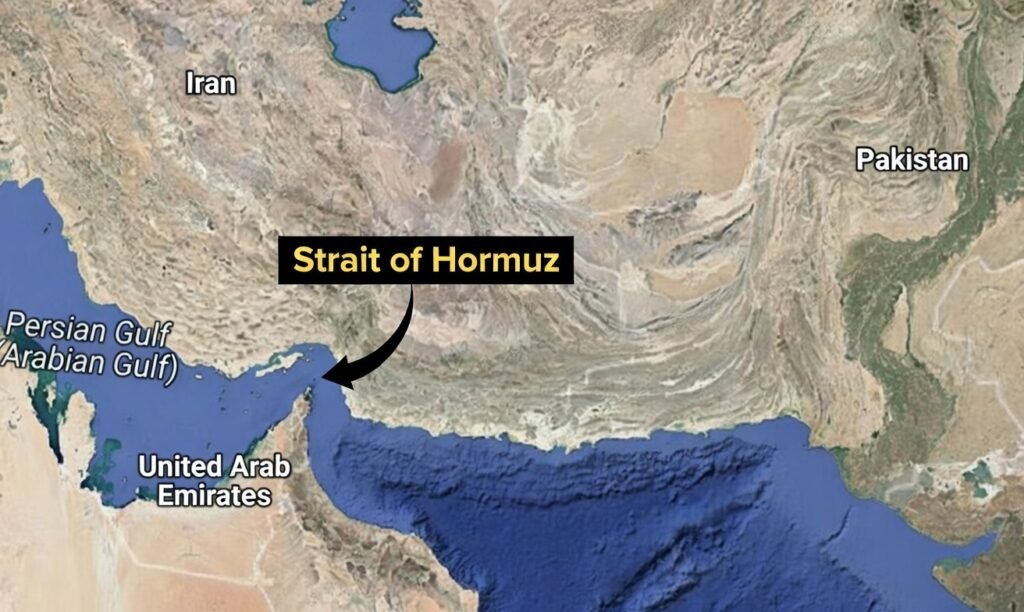
Escalating Iran conflict fuels fears of supply disruption in the world’s most critical energy corridor
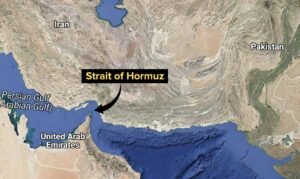
The Strait of Hormuz, a narrow waterway between Iran and Oman, remains one of the world’s most critical energy chokepoints. About 20 million barrels of oil per day nearly one-fifth of global petroleum liquids pass through the 33-mile-wide corridor, linking Gulf producers to Asia, Europe and beyond.
Rising Tensions
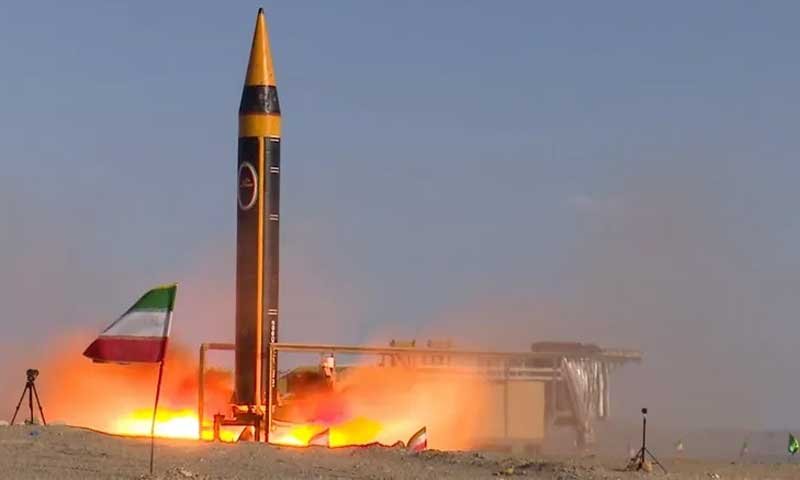
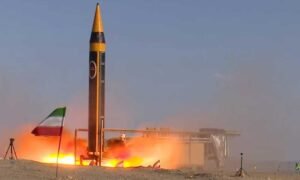
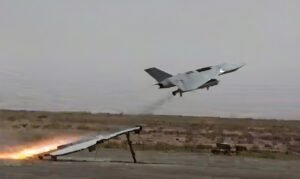
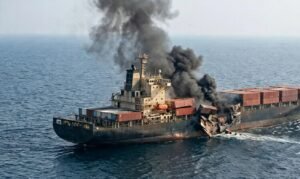
Regional tensions spiked after a reported joint US-Israeli strike killed Iran’s Supreme Leader, Ayatollah Ali Khamenei, on February 28, 2026. Iran has since launched missile and drone attacks targeting Israel and US-aligned Gulf states. Several commercial tankers have reportedly been damaged, intensifying fears of supply disruption.
Markets reacted immediately. Brent Crude jumped above $81 per barrel, a near 5% surge in a day as traders priced in potential bottlenecks. Analysts warn US gasoline prices could rise 10–30 cents per gallon if instability continues.
Global Stakes
Although the United States imports only about 2% of its oil via Hormuz, the strait’s influence on global pricing makes it strategically vital. Much of the crude transiting the passage is bound for China and India, meaning any disruption reverberates worldwide.
Historically, even during the 1980s Iran–Iraq “Tanker War,” shipments never fully stopped. The US safeguarded traffic through Operation Earnest Will, escorting vessels to deter attacks.
Today, Washington signals similar readiness. Even without closure, heightened risk raises shipping costs, insurance premiums and fuel prices underscoring Hormuz’s enduring role as the world’s most sensitive oil artery.
About The Author