
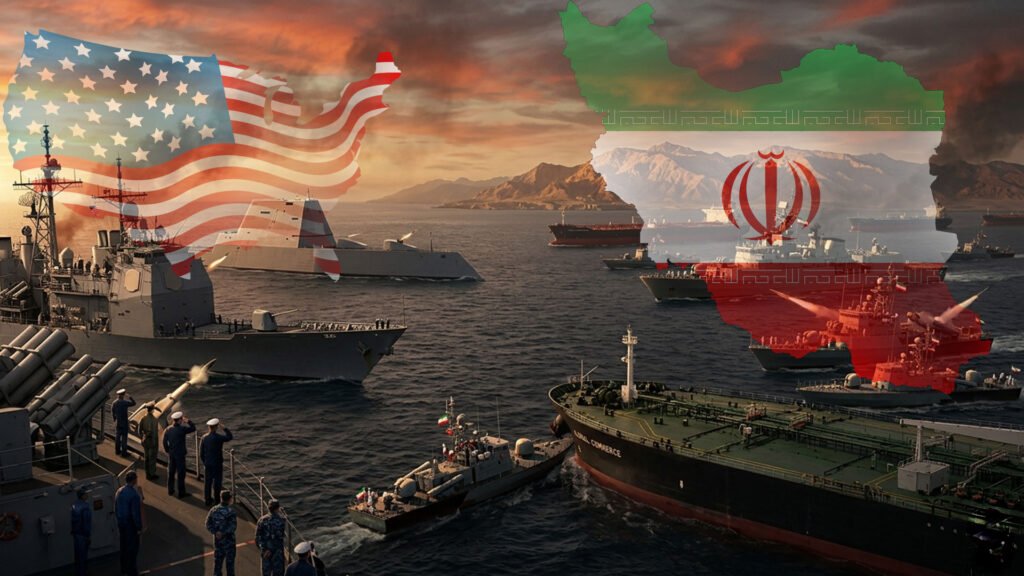
Backchannel negotiations intensify as regional powers seek to secure shipping routes and avoid a broader conflict.
The United Arab Emirates has agreed to join a US-led international coalition aimed at securing the Strait of Hormuz, as tensions in the Middle East continue to escalate.
Presidential adviser Anwar Gargash confirmed the move, stating the UAE is prepared to support efforts ensuring safe global shipping. He warned that Iran’s regional strategy could unintentionally strengthen US and Israeli influence in the Gulf.
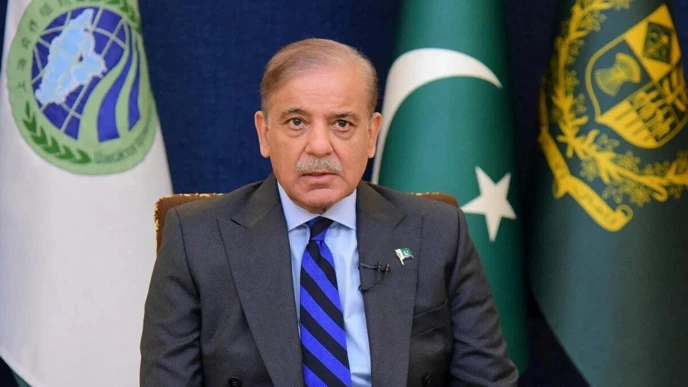
Meanwhile, quiet diplomatic efforts are underway. Reports indicate that Pakistan, Egypt, and Turkey are actively working behind the scenes to bring the United States and Iran to the negotiating table. The initiative is being supported by Saudi Arabia, signaling a broader regional push to avoid a major conflict.
Discussions are reportedly focused on a potential 45-day ceasefire as part of a two-phase agreement. The first phase would halt hostilities and open space for negotiations, while the second aims for a comprehensive peace deal.
Although Iran has rejected US demands regarding the Strait of Hormuz, pressure for de-escalation is growing. Sources suggest a final agreement within 48 hours remains unlikely, but ongoing diplomacy is seen as a critical last opportunity to prevent a wider war.
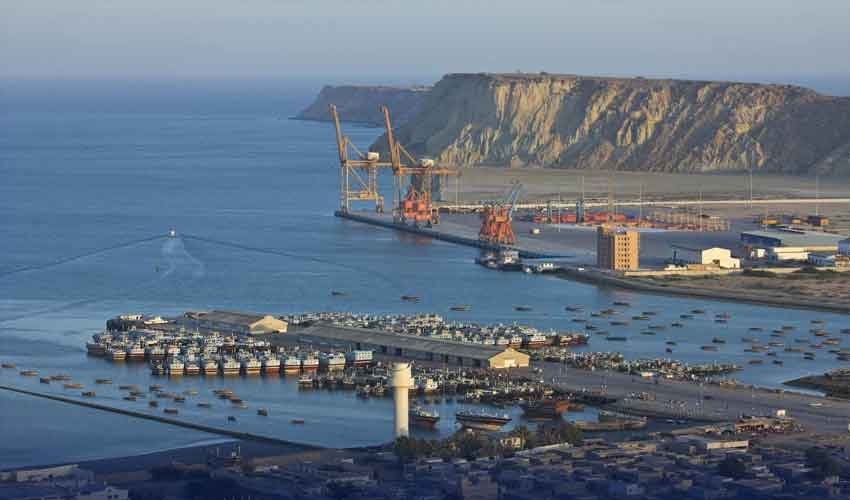
The Strait of Hormuz remains vital for global oil supply, and disruptions have already pushed prices beyond $100 per barrel, raising concerns about global economic stability.
About The Author