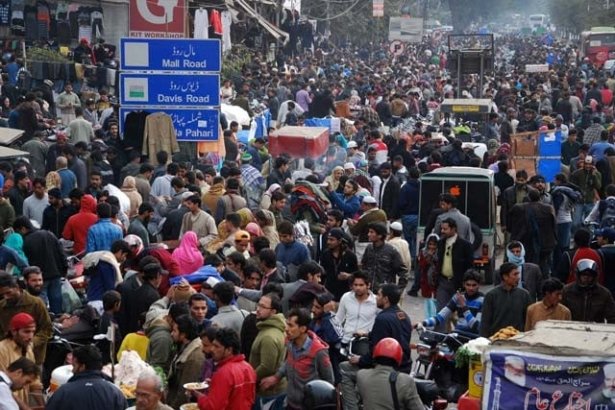
With a population exceeding 241.5 million, Pakistan is on track to cross 300 million by 2030 and approach 400 million by 2050 if the current annual growth rate of 2.55 percent continues posing severe challenges to living standards and resource management.
These concerns were highlighted during a seminar on population issues organized by the Department of Rural Sociology at the University of Agriculture Faisalabad (UAF) held on the directives of Vice Chancellor Prof Dr Zulfiqar Ali. The seminar aimed to raise awareness about emerging demographic challenges and their socio-economic impacts.
Addressing the gathering Dr Naima Nawaz emphasized the need for community awareness behavioral change, access to reproductive health services and informed decision making to ensure a healthier and balanced society. She noted that rapid population growth directly affects health education, employment opportunities and natural resources stressing that female education plays a crucial role in population control.
Deputy District Population Welfare Officer Tayyaba Azam Khan described population management as a shared responsibility calling for coordinated efforts between academia and communities. She highlighted family planning, women empowerment and youth engagement as key strategies for sustainable development.
Punjab Family Planning Program Divisional Coordinator Muhammad Anwar Ahmad warned that unchecked population growth threatens economic stability food security and social development, underscoring the importance of collaboration between academic institutions and population welfare departments.