Iran oil strikes cause “black rain” in Tehran, but experts dismiss risks of hazardous oil rain reaching Pakistan
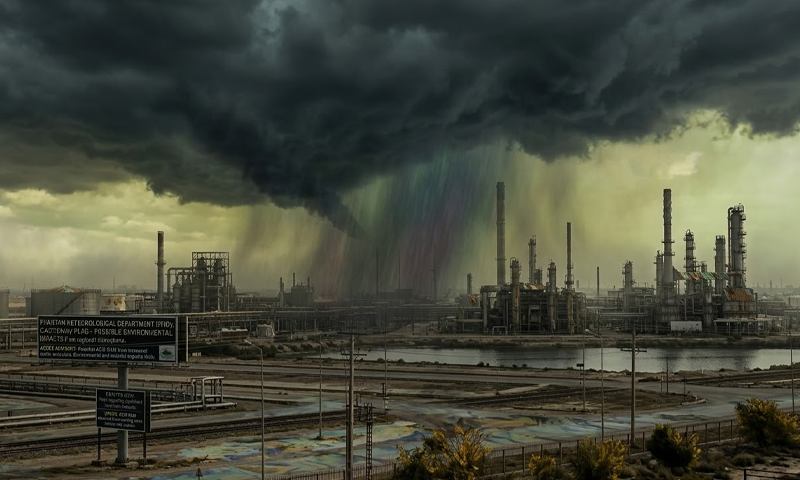
Islamabad: The Pakistan Meteorological Department (PMD) has warned that pollution from recent attacks on Iranian oil facilities could affect air quality in western Pakistan. Winds from Iran may carry particulate matter eastward, potentially worsening conditions near the border, depending on atmospheric patterns.
A westerly weather system is expected to hit northern Pakistan from the night of March 9 to March 12. Under its influence, Khyber Pakhtunkhwa, Gilgit-Baltistan, and Kashmir may see cloudy skies, rainfall, strong winds, thunderstorms, and occasional heavy downpours. Light rain is forecast for Peshawar, Swabi, Mardan, Charsadda, Islamabad, Murree, and the Galliyat, with isolated hailstorms possible. Temperatures in northern areas could drop by 3–4°C, while authorities warned of landslides and potential glacial lake outburst floods (GLOF) in mountainous regions.
Environmental experts, however, consider fears of “petroleum rain” unrealistic. Dr. Zainab Naeem of the Sustainable Policy Development Institute (SDPI) explained that any pollutants traveling from Iran would likely be diluted gases such as sulphur oxides (SOx) and nitrogen oxides (NOx), which may contribute to smog but not hazardous oil rain.
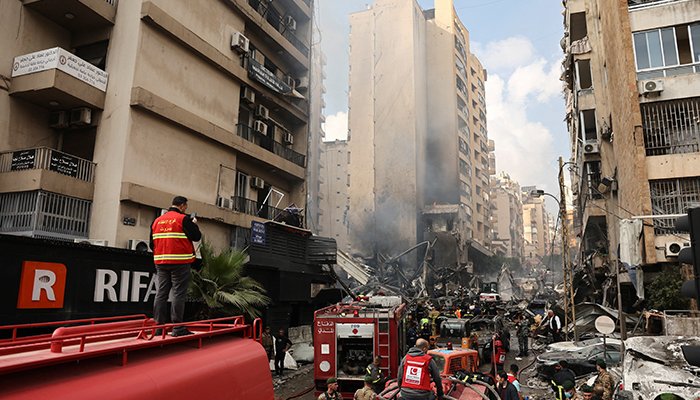
Meanwhile, Iran is grappling with dark, oily “black rain” in Tehran after strikes released large amounts of hydrocarbons and industrial gases. Thick smoke has reduced visibility and posed respiratory risks, while environmentalists warn of soil, water, and ecological contamination.
For Pakistan, the immediate concern remains air quality deterioration in western regions rather than toxic rainfall, with meteorologists monitoring the situation as weather patterns evolve.
About The Author