

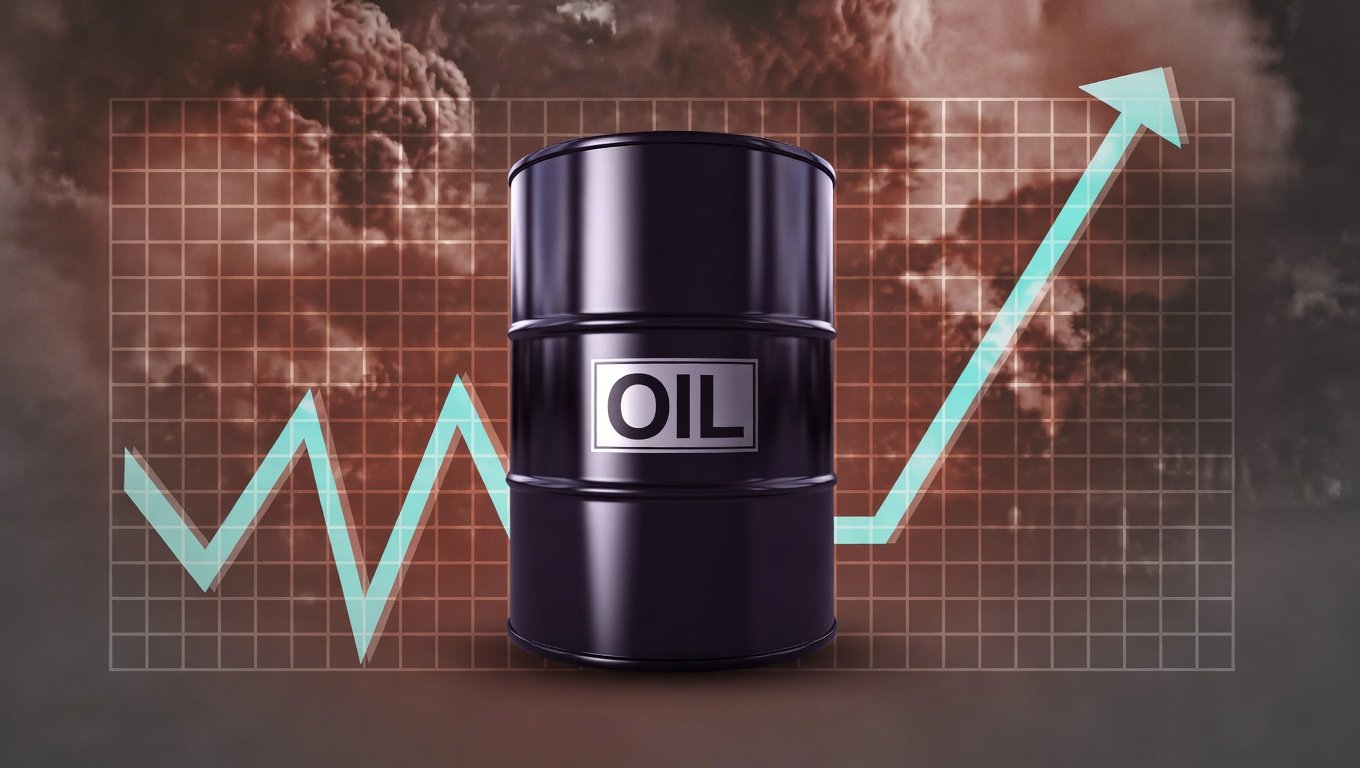

Renewed tensions between the United States and Iran disrupt supply routes, pushing crude oil prices sharply higher
Global oil prices surged by more than 7 percent on Monday, driven by escalating geopolitical tensions in the Middle East and renewed uncertainty surrounding critical oil supply routes.
According to international market data, Brent crude climbed above $96 per barrel, while U.S. West Texas Intermediate (WTI) crude approached $90 per barrel, marking a sharp rebound after a recent decline.
The surge comes amid renewed instability in the Strait of Hormuz, a vital global shipping route responsible for transporting nearly 20 percent of the world’s oil supply. Disruptions and security concerns in the region have raised fears of supply shortages, triggering volatility in energy markets.
Recent developments, including attacks on commercial vessels and stalled diplomatic efforts between the United States and Iran, have intensified concerns about the continuity of oil flows. Analysts say uncertainty over ceasefire negotiations and maritime security has significantly impacted trader sentiment.
Energy markets have been experiencing sharp fluctuations in recent days. Oil prices had previously dropped nearly 9 percent after temporary signs of easing tensions, but quickly rebounded as the situation deteriorated again.
Experts warn that continued disruptions in the region could push prices even higher, potentially nearing the $100 per barrel mark if supply constraints persist. The ongoing crisis underscores the vulnerability of global energy markets to geopolitical conflicts and supply chain disruptions.
About The Author