

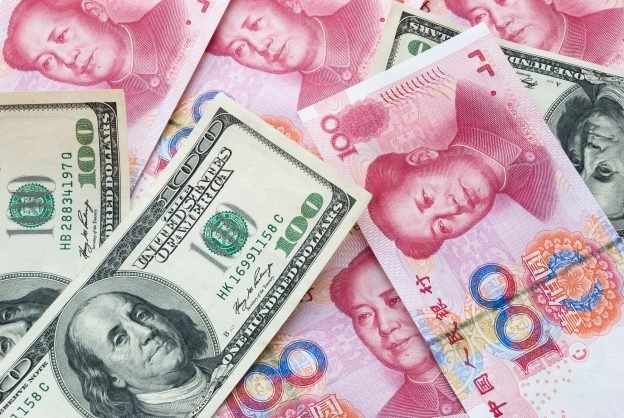

Emirati officials indicate potential currency diversification in response to geopolitical tensions and dollar availability concerns
The United Arab Emirates has signaled a potential shift in its currency strategy, indicating it may turn to the Chinese yuan or other global currencies for transactions if access to the US dollar becomes constrained, according to a report published by The Wall Street Journal.
Emirati officials reportedly conveyed their concerns to US counterparts, stating that escalating geopolitical tensions particularly those linked to policies initiated during former President Donald Trump’s administration have contributed to uncertainty in global financial systems. The officials emphasized that any disruption in dollar liquidity could prompt the UAE to explore alternative currencies to maintain trade and financial stability.
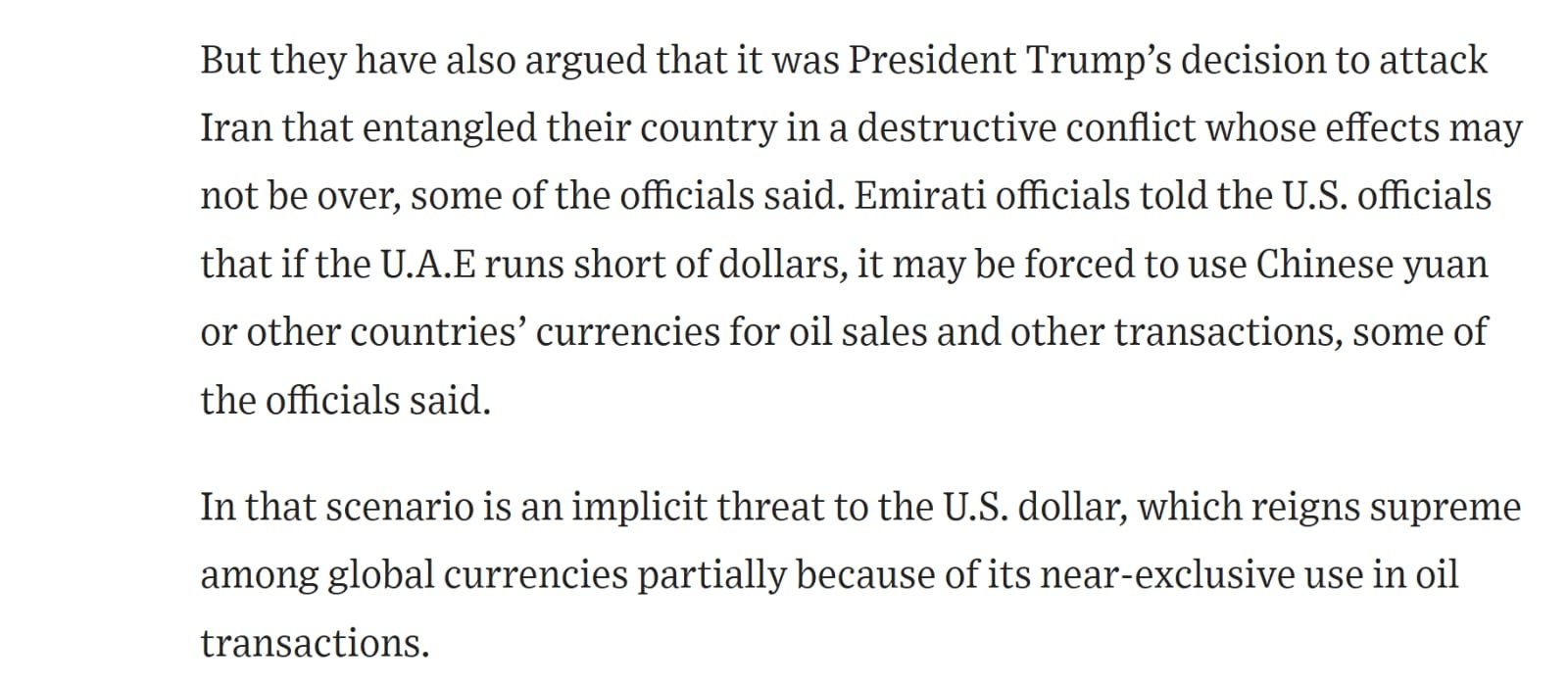
The warning reflects growing unease among global economic players about over-reliance on the US dollar, which has long dominated international trade and finance. Analysts suggest that such statements from a key Gulf economy highlight a broader trend of diversification, especially as countries seek to safeguard their economies against currency volatility and geopolitical risks.
The potential use of the Chinese yuan in international transactions is particularly notable, as China continues to expand its economic influence and promote its currency as an alternative in global markets. The UAE, being a major trade and financial hub in the Middle East, plays a critical role in shaping regional economic policies and could influence similar moves by neighboring countries.
While no immediate policy shift has been announced, the remarks underscore a strategic recalibration that could have far-reaching implications for global trade dynamics, currency markets, and the long-standing dominance of the US dollar.
About The Author