

Pakistan’s energy minister attributes the end of load shedding to LNG supply restoration, while defending government policies and warning against misinformation about power capacity.
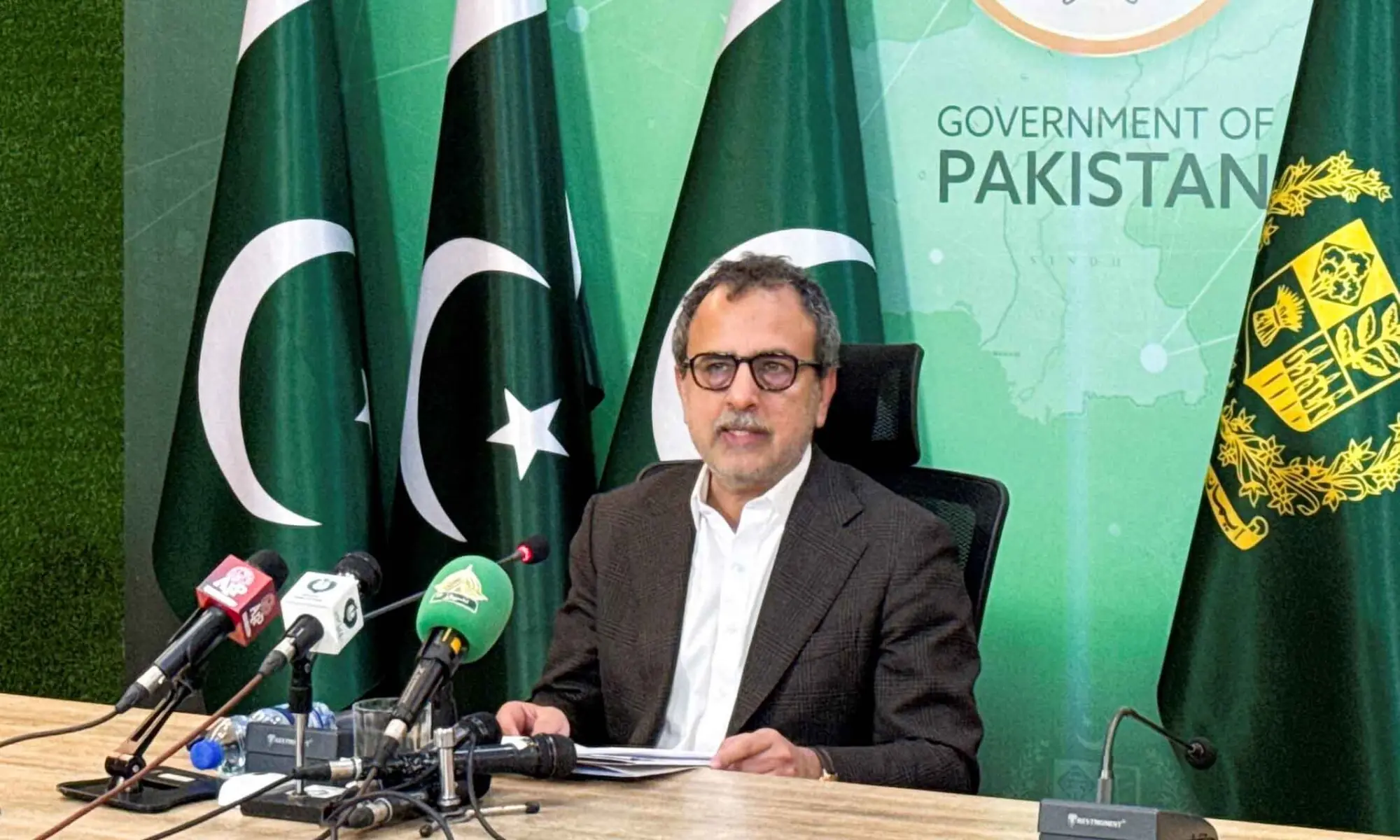
ISLAMABAD: Federal Minister for Energy Awais Ahmad Khan Leghari has announced the complete end of electricity load management across Pakistan, attributing the development to the timely arrival of liquefied natural gas (LNG) and improved power generation capacity.
Speaking about the recent power crisis, the minister said the country had received LNG supplies a day earlier, which immediately stabilized electricity production and eliminated the need for load shedding. He emphasized that the situation has now normalized and consumers should no longer face scheduled power outages.
Leghari detailed the timeline of the crisis, noting that between April 13 and 14, citizens endured up to five hours of load shedding due to gas shortages. However, the situation improved shortly afterward, with no load management observed from April 17 to 19. From April 19 to 29, outages were reduced to between two and two-and-a-half hours daily before being fully eliminated.
The minister reiterated that the power shortages were not due to system failures, lack of generation capacity, or administrative shortcomings. Instead, he blamed the crisis on disruptions in gas supply, linking it to global tensions, including the impact of the US-Iran conflict, which delayed LNG shipments.
He cautioned that generating electricity through diesel or furnace oil could have avoided outages but would have significantly increased electricity costs for consumers. “Our priority was to protect the public from expensive electricity,” he said, adding that difficult decisions were made to balance affordability and supply.
Leghari also highlighted a significant increase in hydropower generation, stating that output has surged to 6,000 megawatts, compared to around 1,000 megawatts previously. He noted that water releases from dams are managed by the Indus River System Authority (IRSA) based on provincial needs, which also affects electricity production levels.
Addressing public perception, the minister dismissed claims that Pakistan has a power generation capacity of 46,000 megawatts, calling it “misleading.” He clarified that the actual production capacity stands closer to 32,000 megawatts and varies throughout the year.
He further revealed that the government had to procure expensive fuel in the absence of Qatari gas supplies and even activate furnace oil-based plants to meet demand. Despite these challenges, he expressed confidence that proactive measures have now ensured stability in the power sector.
Looking ahead, Leghari said the government is committed to preventing future outages and shielding consumers from high electricity costs. He also expressed hope that transmission systems remain protected from faults and disruptions.
“With timely decisions and coordinated efforts, we have successfully overcome the crisis,” he said, adding that the government aims to maintain uninterrupted electricity supply moving forward.
About The Author