

Iran’s parliamentary speaker warns that US pressure tactics could push global oil prices to unprecedented levels, intensifying market uncertainty.
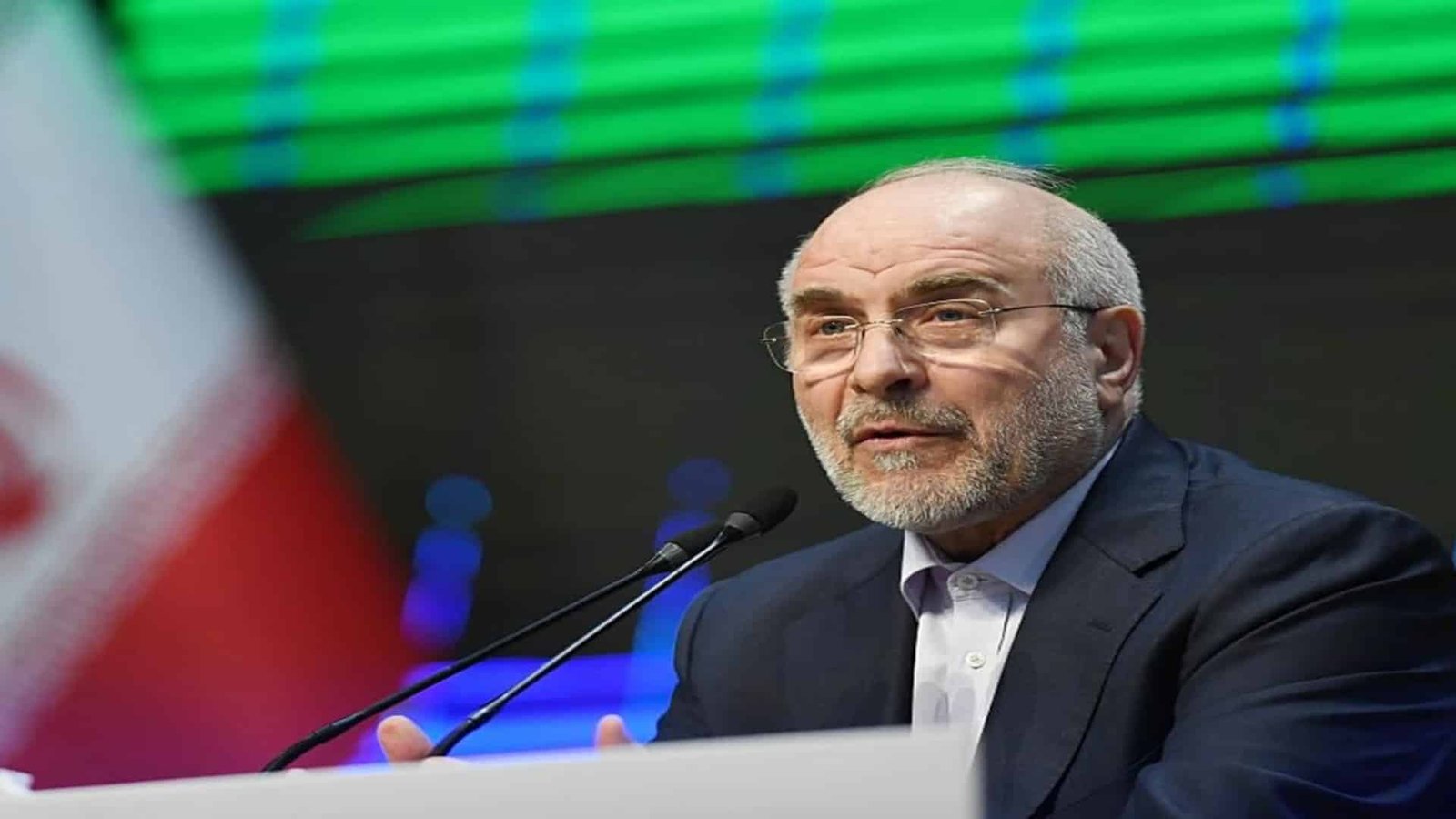
Global energy markets faced renewed uncertainty after senior Iranian lawmaker and parliamentary speaker Mohammad Baqir Qalibaf warned that oil prices could surge to as high as $140 per barrel if US pressure tactics and restrictions on Iranian oil exports continue.
In a statement shared on social media platform X, Qalibaf criticized what he described as flawed policy advice within the US administration, particularly targeting economic strategies linked to Washington’s approach toward Tehran. He argued that sanctions and blockade-style measures would not destabilize Iran’s oil production capacity as intended.
According to Qalibaf, despite ongoing US efforts to restrict Iranian oil sales, production systems remain operational and resilient. He claimed that oil fields would continue functioning without disruption, adding that even over a 30-day horizon, output would not be significantly affected.
The Iranian parliamentary speaker further stated that recent policy decisions reflect “unrealistic thinking” and warned that such approaches are already contributing to volatility in global energy markets. He asserted that oil prices have already climbed to around $120 per barrel and could move toward $140 if tensions persist.
His remarks also included political messaging directed at US leadership, suggesting that economic pressure is being used as a tool to force internal instability within Iran. He urged national unity, saying external pressure aims to create divisions, and emphasized cohesion as the primary response to foreign challenges.
Meanwhile, oil markets reacted sharply amid ongoing geopolitical tensions. Brent crude reportedly reached a four-year high, reflecting growing concerns over supply disruptions linked to the US stance on Iranian maritime restrictions and stalled diplomatic engagement between Tehran and Washington.
Energy analysts warn that prolonged uncertainty, combined with stalled negotiations, could keep upward pressure on oil prices. Any escalation in enforcement of maritime or export restrictions is expected to further tighten global supply conditions.
With geopolitical friction intensifying and energy markets already volatile, traders remain cautious as the world watches whether diplomatic channels can prevent a deeper escalation in oil prices.
About The Author