
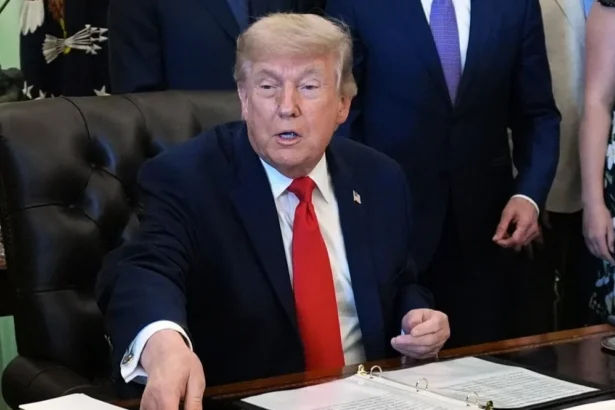

Rising tensions and conflicting statements between the United States and Iran deepen uncertainty over a potential breakthrough peace agreement.
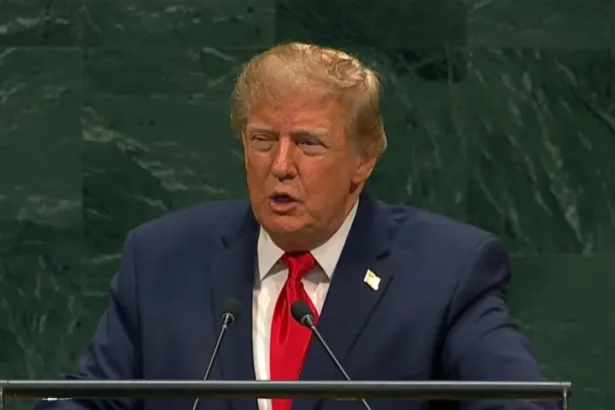
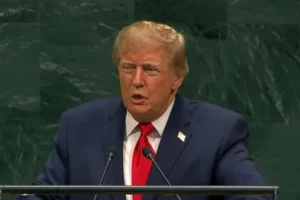
A diplomatic standoff intensified between the United States and Iran on Saturday after President Donald Trump claimed that a landmark peace agreement could be signed within hours, while Iranian officials firmly rejected the proposed timeline.
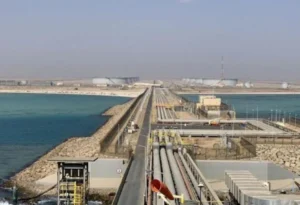
Speaking from Washington, D.C., Trump said the draft deal aimed at ending long-standing hostilities is in its final stages and could soon become a major step toward regional stability. He suggested the framework includes reopening key maritime routes such as the Strait of Hormuz and placing sensitive nuclear materials under international oversight.
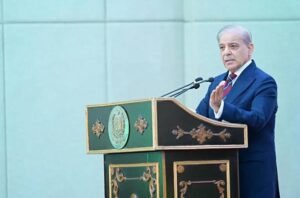
However, officials in Tehran pushed back, saying that while negotiations have advanced, no agreement is ready for immediate signing. They stressed that discussions remain ongoing and any final deal is more likely to emerge in the coming days rather than “today.”
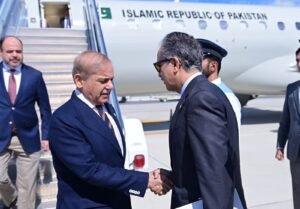
Iranian authorities warned against premature announcements, stating that diplomatic coordination must continue to avoid misrepresenting the status of talks. Despite the conflicting messages, both sides appear to acknowledge progress in negotiations, signaling a possible shift toward de-escalation after years of tension.
The broader Middle East remains volatile, with ongoing regional conflicts adding pressure on negotiators. Analysts say any final agreement could reshape global energy markets and redefine security dynamics across the region.
About The Author