

Federal Minister Musadik Malik says Pakistan will firmly protect its water rights under the Indus Waters Treaty, warning that undermining international water-sharing agreements could threaten regional stability, food security, and global peace.
Federal Minister Musadik Malik has reaffirmed that Pakistan will not compromise on its water rights under the Indus Waters Treaty, calling the agreement one of the strongest international treaties governing shared water resources.
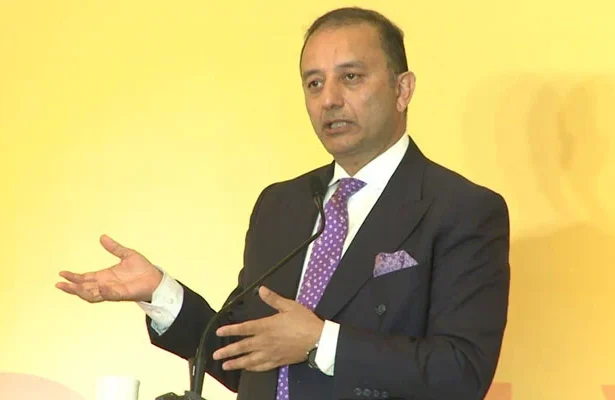
Addressing a seminar in Islamabad, Malik said the treaty has remained intact despite three wars between Pakistan and India, demonstrating its resilience and importance. He argued that violating internationally recognized water-sharing agreements would undermine confidence in global treaties and threaten regional peace.
The minister said Pakistan has endured devastating floods and increasing climate-related challenges, but stressed that the country’s water concerns are also a matter of justice and economic survival. He noted that agriculture supports millions of Pakistanis, warning that reduced water availability is forcing many farmers to abandon cultivation and placing food security at risk.
Malik emphasized that Pakistan’s primary concern is not only water scarcity but also the possibility of water being used as a political or strategic tool. He reiterated that Islamabad would not accept any compromise on the country’s share of water under the treaty.
Drawing comparisons with disputes involving the Nile and Euphrates river systems, the minister said conflicts over shared rivers are becoming more common worldwide. He added that downstream communities in countries such as Bangladesh face similar challenges related to climate change, water management, and upstream river control.
The minister also criticized India, alleging that it has sought to control the flow of rivers shared with Pakistan while rejecting certain international arbitration decisions related to the treaty. He maintained that international legal forums have ruled that neither country can unilaterally suspend or terminate the Indus Waters Treaty and that treaty provisions governing water infrastructure must be respected.
About The Author