

Pakistan’s climate minister urges regional scientific cooperation and unveils three initiatives to address glacier loss and climate change at the Fifth China Xizang Trans-Himalaya Forum.
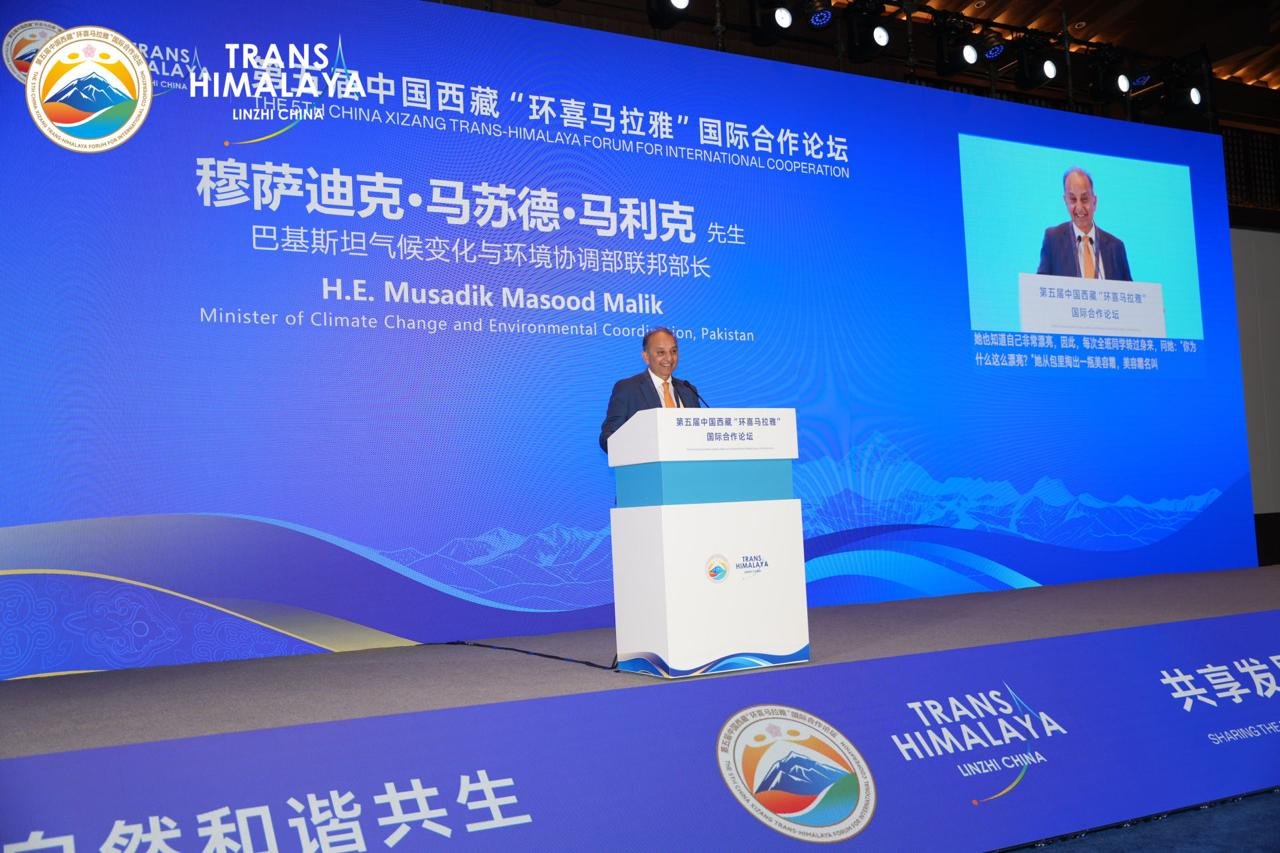
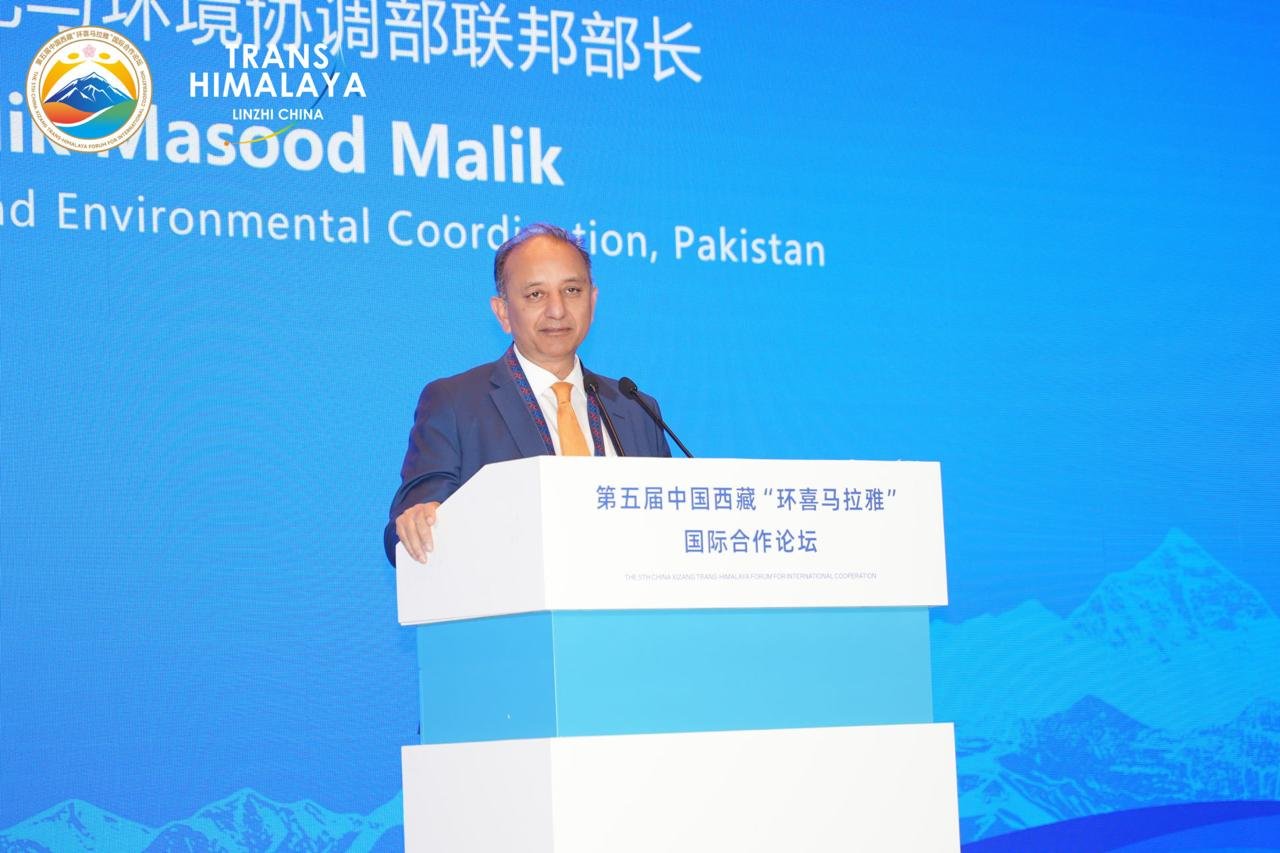
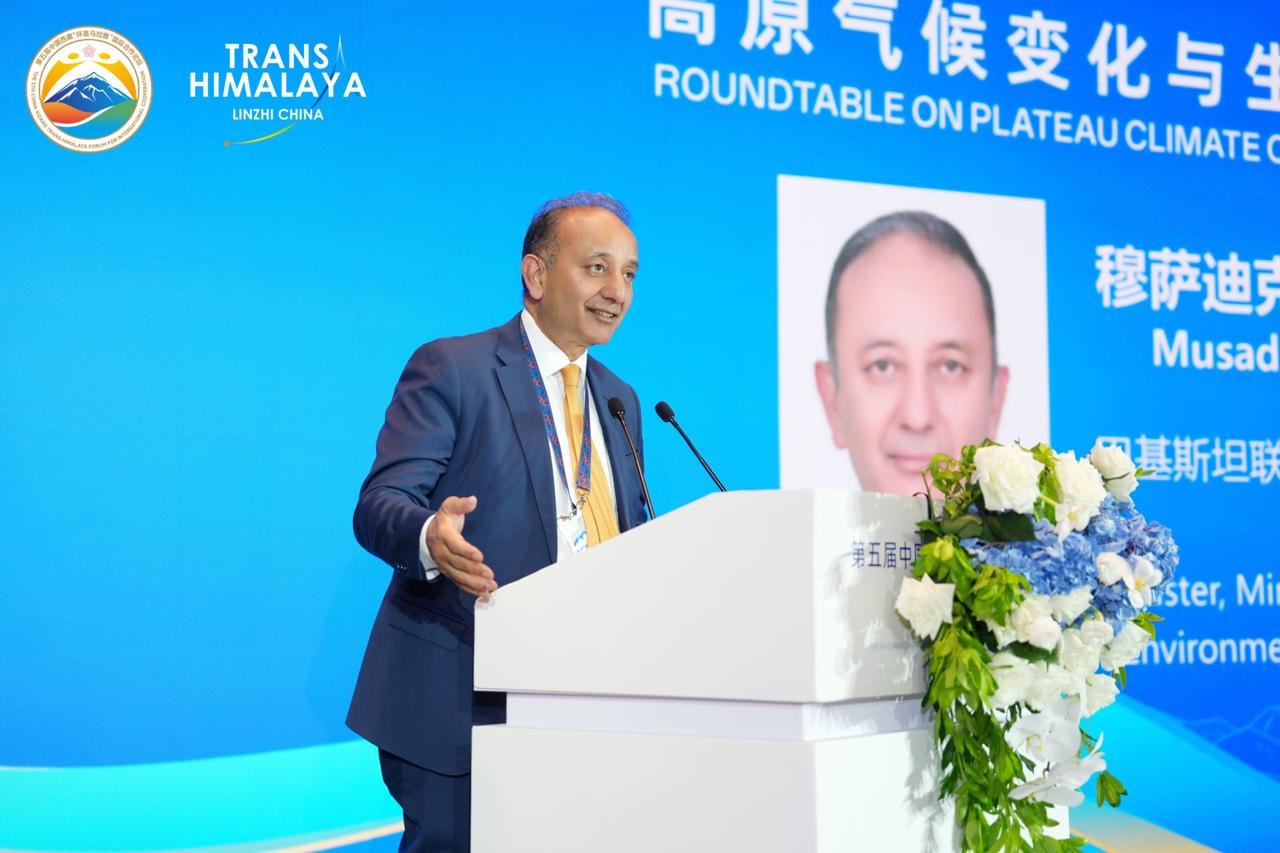
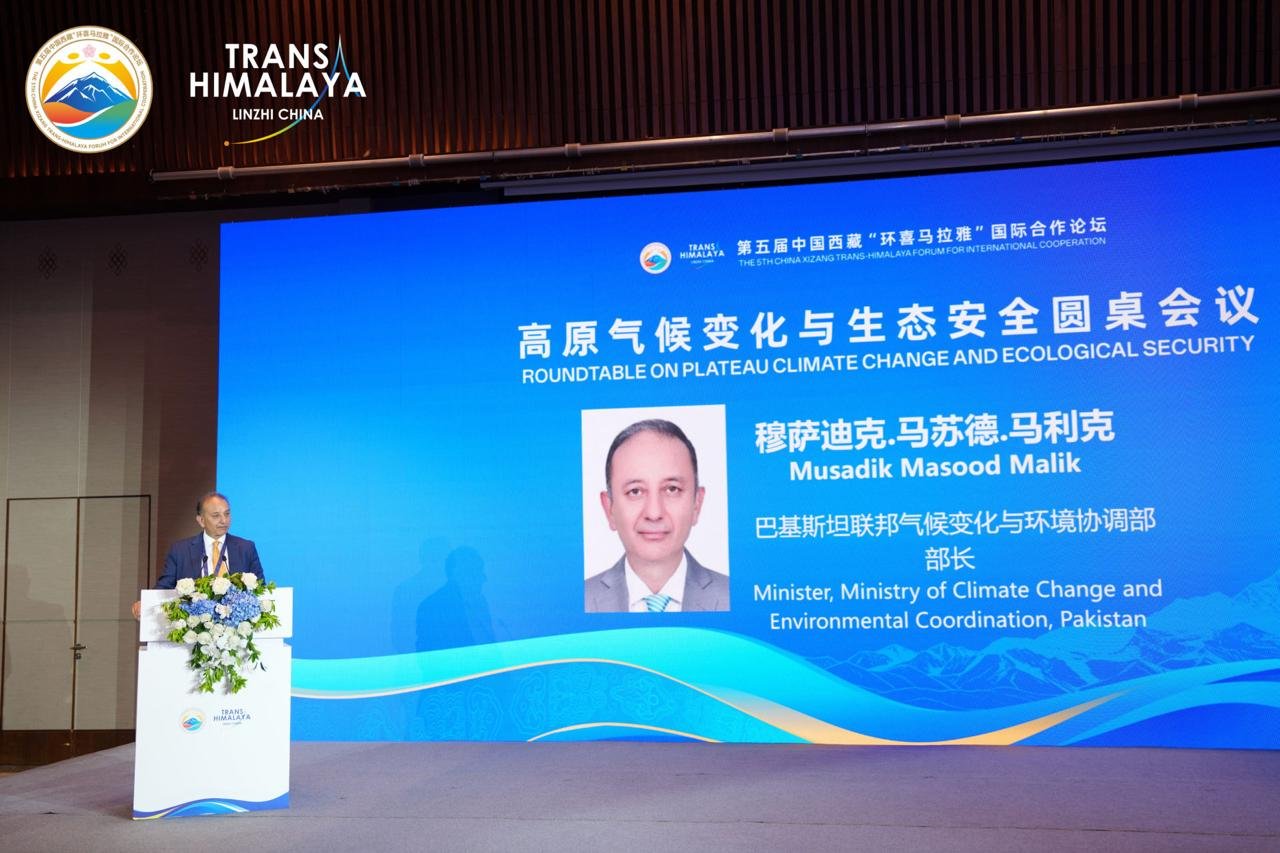
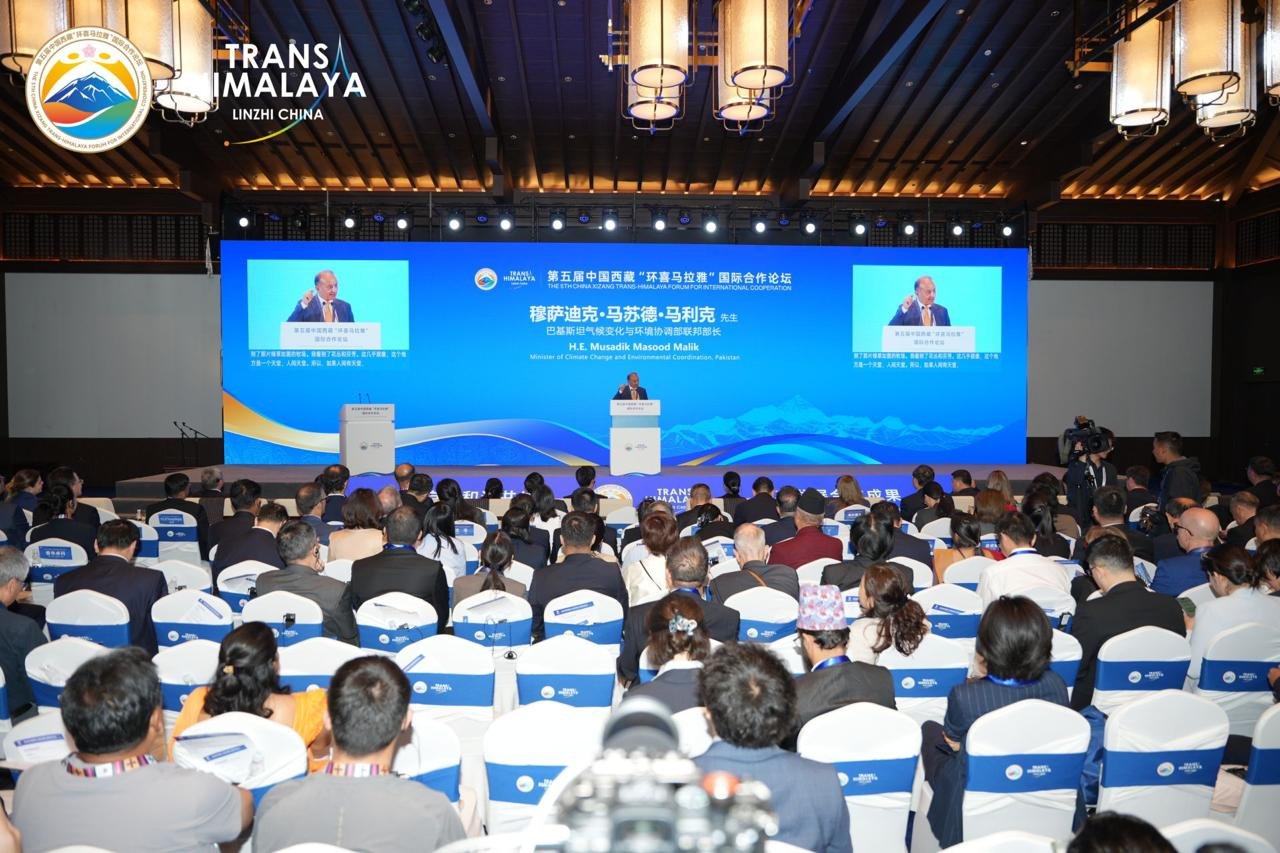
Pakistan’s Federal Minister for Climate Change and Environmental Coordination, Dr. Musadik Malik, called for stronger regional cooperation on climate action while addressing the Fifth China Xizang Trans-Himalaya Forum for International Cooperation in Xizang, China, on Saturday.
Speaking before policymakers, experts and institutional representatives from multiple countries, Malik said the forum represented not only cultural diversity and friendship but also a shared commitment to protecting humanity and the natural environment.
Highlighting the close relationship between Pakistan and China, the minister thanked Beijing for its longstanding support and described the bilateral partnership as one built on mutual trust.
Malik noted that Pakistan is home to nearly 13,500 glaciers, making it one of the countries most vulnerable to climate change and glacier melting. He warned that rising greenhouse gas emissions and global temperatures are accelerating glacier loss, increasing the risks of devastating floods followed by prolonged droughts.
He said floods over the past 15 years had claimed around 6,000 lives in Pakistan, injured or permanently disabled nearly 20,000 people and displaced approximately 40 million people. The disasters also resulted in an estimated 1.8 billion lost student learning days, highlighting the severe social and economic consequences of climate change.
The minister stressed that glaciers are essential to human survival, economic stability and cultural heritage, urging countries to promote scientific collaboration rather than treating shared natural resources as sources of conflict.
Drawing on his visits to villages in China’s Xizang Autonomous Region, Malik praised the balance between environmental conservation and economic development, describing it as a model for other mountainous regions.
To strengthen regional cooperation, he proposed three initiatives: a Virtual Green University to connect universities and researchers across the region, Green Fields to support youth-led climate startups through financing and technical assistance, and Green Cloud, a shared digital platform for publicly funded scientific research and intellectual property.
Concluding his address, Malik urged countries across the Himalayan region to deepen cooperation on glacier protection, sustainable resource management and joint scientific research, saying collective action is essential to tackling the global challenge of climate change.
About The Author