

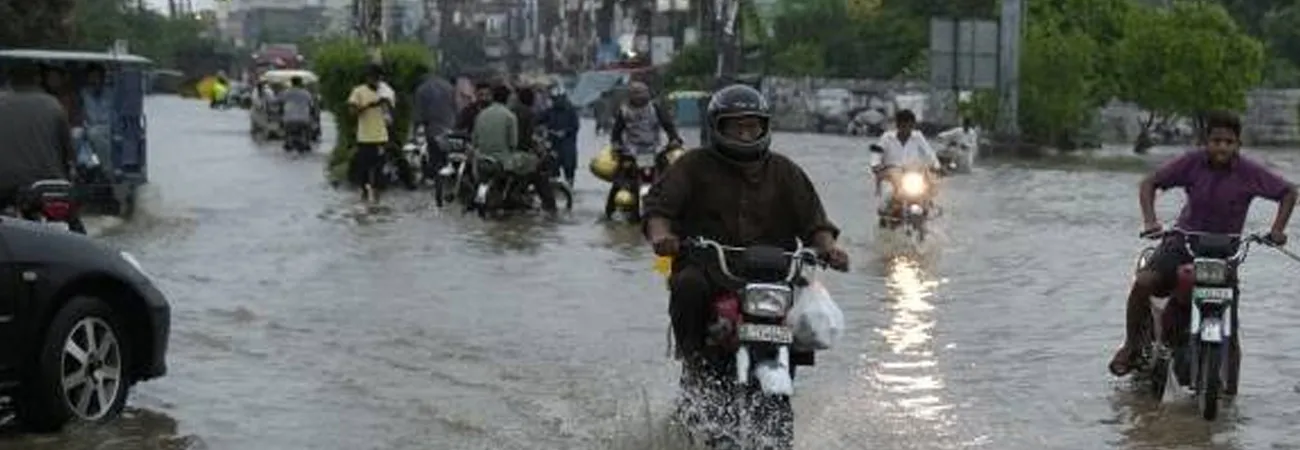

WASA teams remain active across Rawalpindi as drainage operations continue and water levels in Nallah Lai begin to decline.
RAWALPINDI: More than 145 millimetres of rain has been recorded across the twin cities, prompting the Water and Sanitation Agency (WASA) Rawalpindi to maintain a high alert and continue emergency drainage operations in low-lying areas.
According to the WASA managing director, Kattarian recorded the highest rainfall at 145 millimetres, followed by Shamsabad with 126mm and Pirwadhai with 122mm. Bokra received 103mm, while 97mm of rain was recorded at Saidpur.
The intensity of rainfall has now eased, allowing WASA teams to accelerate water drainage operations across affected areas. Staff and heavy machinery have been placed on alert in low-lying locations to respond quickly to any emergency.
The WASA managing director is monitoring the situation in the field and overseeing drainage operations personally. The agency said the rain emergency would remain in force because further rainfall is expected.
Authorities are also keeping a continuous watch on Nallah Lai and other drains across the city. Water levels have started to decline, which officials said should help improve the situation.
At Kattarian Bridge, the water flow level in Nallah Lai was recorded at 11 feet, while the level at Gawalmandi reached 15 feet.
The latest developments are being closely monitored as Rawalpindi remains vulnerable to urban flooding during periods of intense monsoon rainfall. WASA teams are expected to remain deployed until the threat of additional heavy rain and water accumulation subsides.
About The Author