
Iran’s rial has fallen to a record low against the US dollar, intensifying inflationary pressure and reducing the purchasing power of households.
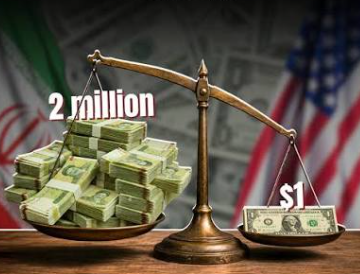
TEHRAN: Iran’s rial has fallen to a record low against the US dollar, with the currency trading beyond 2 million rials per dollar on the open market as the country faces mounting economic pressure from sanctions, war-related disruption and high inflation.
The latest depreciation has sharply reduced the purchasing power of ordinary Iranians, with rising food prices making the impact of the currency crisis increasingly visible in household budgets.
A comparison of food prices before the war and current prices highlights the extent of the decline. According to an Al Jazeera analysis, 2 million rials previously bought about 4 kilograms of tomatoes, 500 grams of chicken and just under 1 liter of cooking oil. The same amount now buys roughly half those quantities.
Average tomato prices have risen by 71%, while chicken prices have increased by 74%. Cooking oil has recorded an even sharper rise of 177%, according to the comparison.
The currency slide has come as Iran faces intensified US economic pressure. Washington announced a new round of sanctions on Aug. 24, targeting Iran-linked entities and warning countries and businesses against maintaining financial ties with Tehran.
The rial’s decline also raises concerns over wages and savings. As the currency loses value, salaries and household savings can buy fewer goods, while businesses face higher costs for imported products and raw materials.
The economic strain has been compounded by the effects of the conflict involving Iran, which has disrupted production and trade. Al Jazeera reported that war damage, restrictions on imports and exports, and declining purchasing power have added to the country’s longstanding economic problems.
For Iranian consumers, the currency crisis is most apparent in everyday markets. Food, medicines and other necessities have become increasingly expensive, forcing households to reduce purchases and reconsider spending.
The rial’s latest decline therefore represents more than a foreign-exchange milestone. It reflects the broader economic pressures confronting Iran and their direct effect on living standards.
About The Author