

Federal Climate Change Minister Musadik Malik calls for coordinated policies, global cooperation and stronger disaster preparedness to protect Pakistan from climate-related risks.
ISLAMABAD: Federal Minister for Climate Change Musadik Malik has described climate change as a major challenge for Pakistan, calling for long-term strategies, coordinated policies and collective action to address its growing impacts.
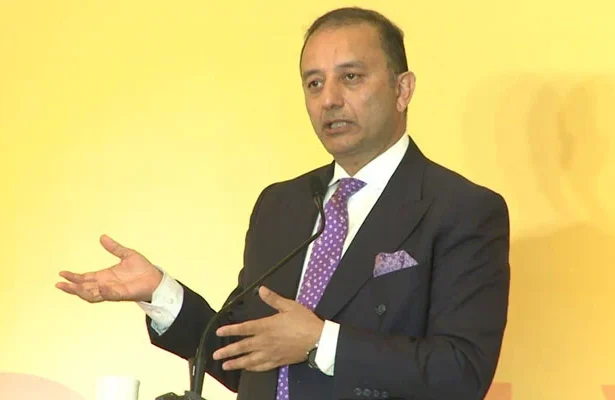
Speaking at an event in Islamabad, Malik said Pakistan is among the countries most affected by climate change and is facing severe consequences from its adverse effects.
He said the country needs an effective and long-term strategy to deal with the risks posed by floods and other climate-related disasters. He stressed that all relevant institutions must work together to address the challenges associated with climate change.
Malik said collective measures are essential to reduce the impact of climate change and emphasized the need for global cooperation and resources to help vulnerable countries cope with its consequences.
He said countries that have the capacity to take meaningful measures against climate change should play their role in addressing the global challenge.
The minister said Pakistan is presenting its case for climate justice at the international level and called for stronger support from the global community for countries affected by climate change.
He also highlighted the need for integrated policies focused on environmental protection and climate adaptation. According to Malik, coordinated efforts are required to reduce climate-related risks and strengthen Pakistan’s resilience.
The minister stressed the importance of improving the capacity of local communities to respond to natural disasters. He said advance preparedness and effective planning are essential to protect communities from the impacts of disasters.
Malik reiterated that addressing climate change requires collective efforts at the national and international levels, with stronger coordination, adequate resources and effective planning needed to reduce risks and protect vulnerable populations.
About The Author