

Federal minister urges faster implementation of practical climate projects, stronger urban resilience and greater community involvement to address vulnerable communities’ needs.
ISLAMABAD: Federal Minister for Climate Change and Environmental Coordination Dr. Mussadiq Malik has called for faster, practical and community-based measures to address the challenges faced by climate-vulnerable cities and disadvantaged communities across Pakistan.
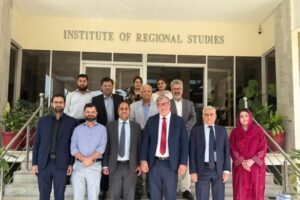
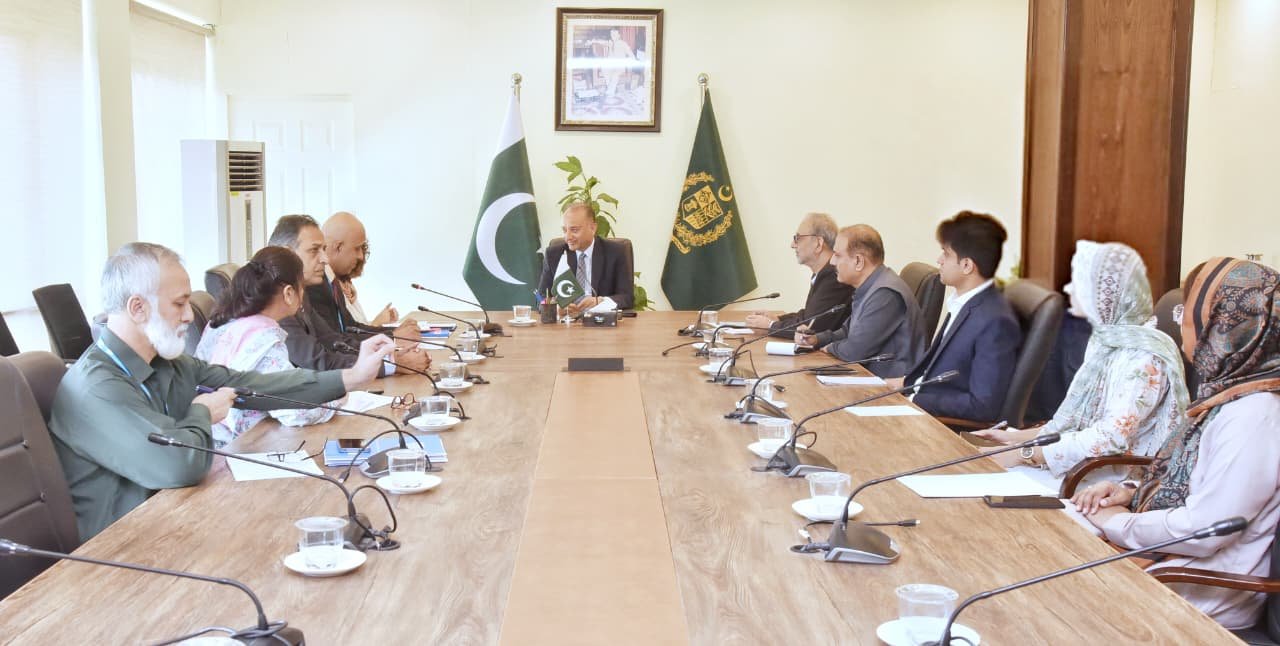
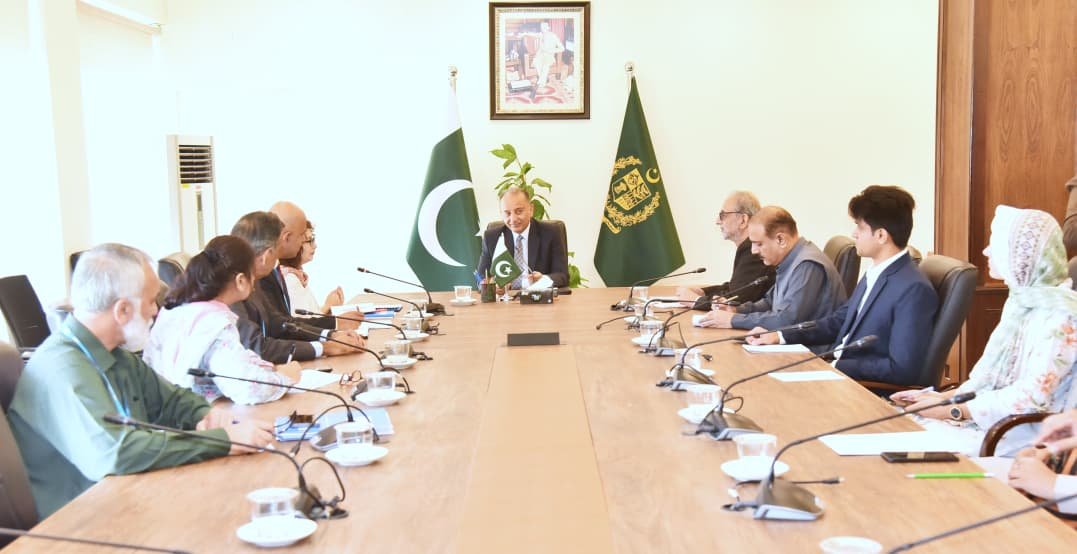
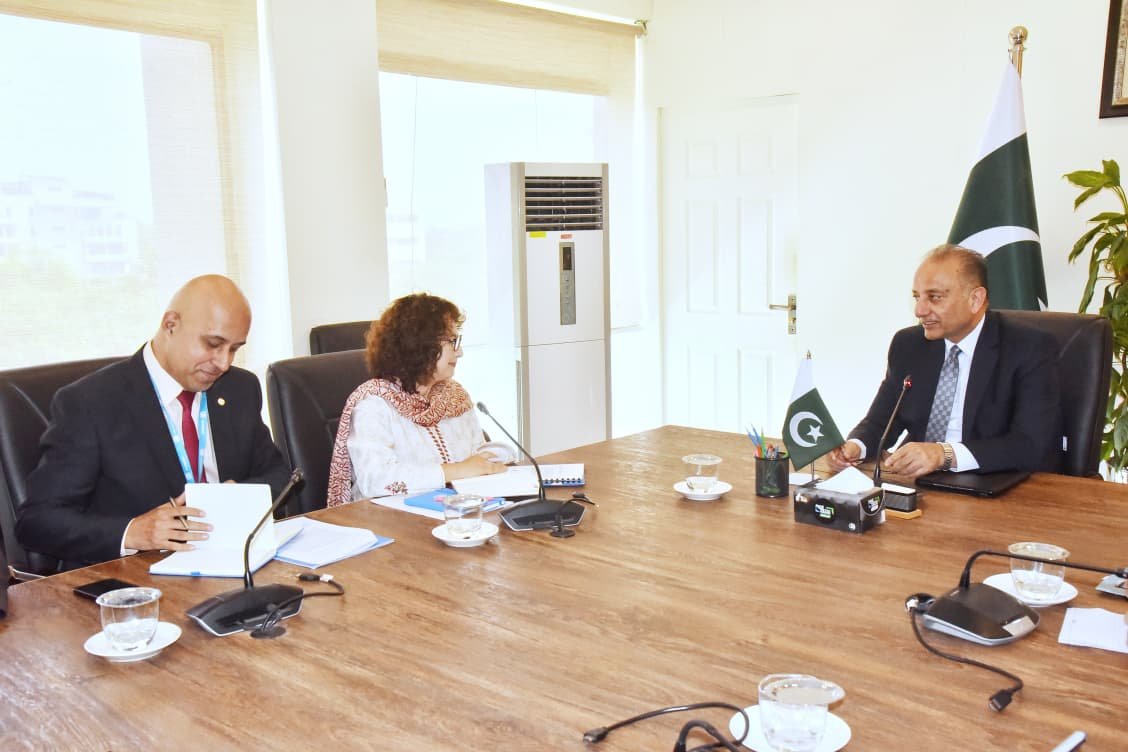
Malik made the remarks during a meeting with Oddy Angelo, a UN-Habitat officer from Bolivia. The meeting discussed urban development, climate resilience, water and sanitation, flood management and practical initiatives for vulnerable communities.
Expressing concern over delays in development projects, Malik said the ultimate objective of policymaking and international cooperation should be practical work on the ground and the resolution of public problems.
“We need effective and result-oriented work. Bring forward effective policy proposals, we will cooperate and implement them,” he said, urging all relevant institutions to reduce unnecessary delays and obstacles and accelerate project implementation.
Malik said Pakistan needed practical solutions rather than increasingly complex terminology, particularly in areas where communities face contaminated water, flooding, inadequate drainage and a shortage of basic urban facilities.
“One project can change the lives of many people,” he said, stressing the need for projects that involve local communities, become self-sustaining and can be replicated in other parts of the country if successful.
The minister acknowledged that various institutions and development partners had carried out good work in the past but said many initiatives remained fragmented, preventing their collective impact from being effectively demonstrated.
He called for successful projects to be identified, their results highlighted and effective models scaled up so they could eventually become part of the national agenda.
Malik also stressed the need to prioritize water treatment plants in areas affected by contaminated water, along with flood protection, climate resilience and basic urban services.
Faster implementation of National Urban Strategy
The federal minister emphasized the need to rapidly move the National Urban Strategy from policy to practical implementation. He said effective coordination among federal and provincial institutions, UN agencies, development partners, local governments and communities was essential.
He also proposed launching a business and innovation ideas competition for Pakistani youth to seek creative solutions in areas including climate change, public safety, vulnerable urban communities, flood management, technology, innovation, water and sanitation, and green industry.
Malik said Pakistan’s youth had the creativity and potential to contribute to practical solutions for national challenges.
The meeting also emphasized ensuring that development resources directly benefit communities and that local populations are meaningfully involved in designing and sustaining projects.
Malik said Pakistan had no shortage of capacity, ideas or human resources. The need, he said, was to quickly turn ideas into action, successful projects into scalable models and policy discussions into practical solutions to public problems.
He said the real measure of development should be simple: less delay, more practical work and tangible improvements in the lives of vulnerable communities.
About The Author