

Authorities have tightened security in Rawalpindi and Islamabad ahead of multiple planned marches, with closures and restrictions expected to affect education, transport, businesses and daily movement.
RAWALPINDI/ISLAMABAD: Rawalpindi and Islamabad are preparing for a week of heightened security and possible disruptions as multiple political long marches are expected between Sept. 20 and 27.
Recent reports indicate that authorities in Rawalpindi have decided to close educational institutions, including schools, colleges and universities, along with hotels, motels, rest houses, markets and transport terminals during the period. Metro Bus and Green Electric Bus services are also expected to remain suspended.
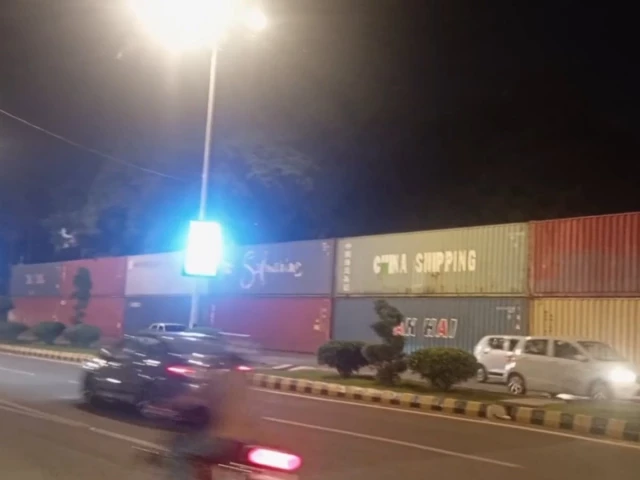
Authorities have begun placing large containers at key entry points and routes around the twin cities, including Faizabad, Chungi No. 26, Rawat, Chakri, Adiala Road, Pirwadhai, Bhara Kahu and 17-Mile. Drone surveillance and the activation of around 1,500 Safe City cameras in Rawalpindi are also part of the reported security preparations.
Mobile and internet services are also expected to face suspension or restrictions during the marches, although the precise areas and timings of any shutdowns have not been detailed in the reports reviewed.
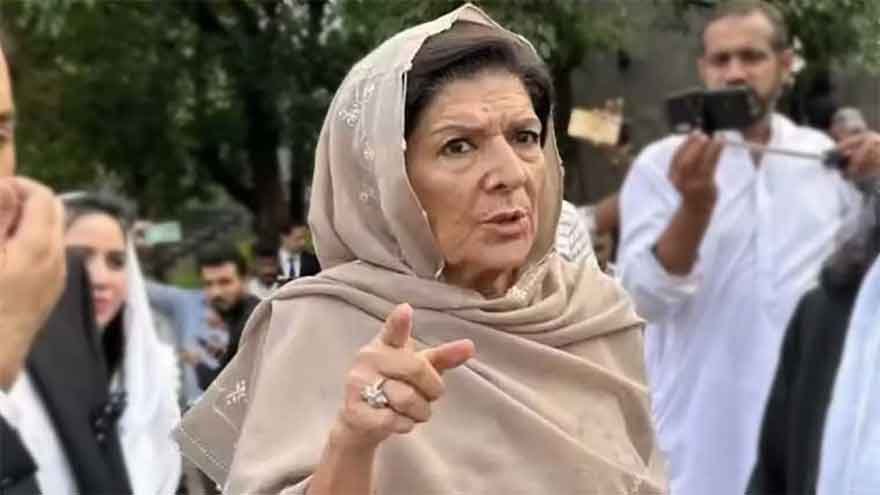
The security measures come as several political groups have announced marches toward Islamabad. Jamaat-e-Islami is scheduled to begin its march from Karachi on Sept. 20 over its demand for withdrawal of the petroleum levy, while PTI has announced a protest march toward Islamabad for Sept. 27.
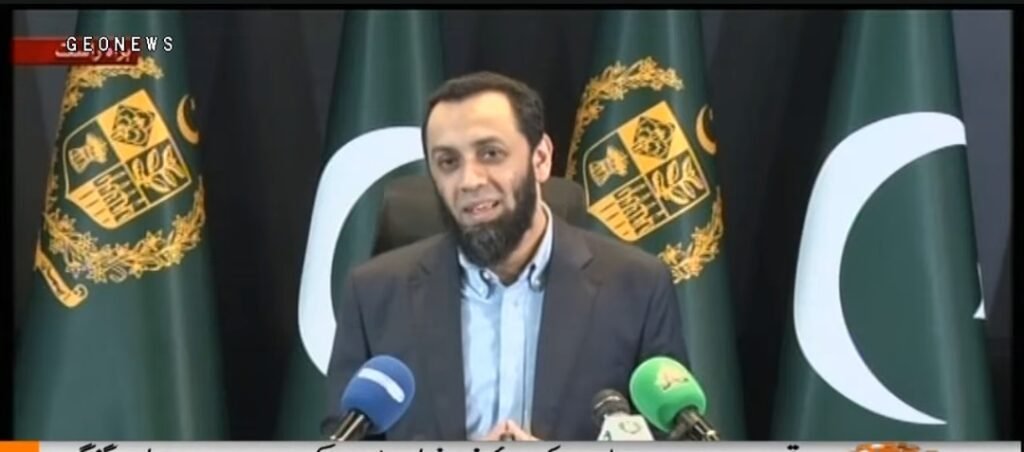
The government has said it will prevent the Sept. 27 march from entering Islamabad. Interior Minister Mohsin Naqvi said no group would be allowed to enter the capital.
The Islamabad High Court has also ruled that political parties and leaders do not have a legal right to occupy public roads, highways or other public places in a manner that obstructs citizens’ movement. The court directed authorities to protect residents’ constitutional rights and ordered that government resources not be used for marches or rallies.
Hospitals in the twin cities have reportedly been placed on an emergency footing, with leave for doctors, nurses and paramedical staff cancelled. Edhi centres have also been put on alert, according to reports.
The expected restrictions have raised concerns about access to hospitals, emergency routes and essential services. However, specific official details identifying which emergency routes will remain fully open have not been clearly published in the reports reviewed.
Business and education representatives have criticised repeated closures and road blockages, calling for political dialogue to minimise disruption to education, commerce and routine life.
About The Author