

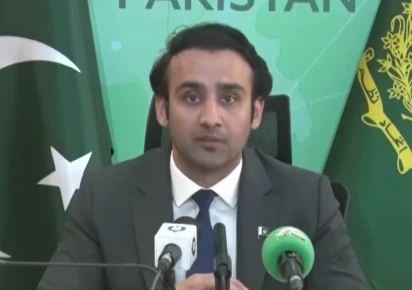

PVARA Chairman Bilal Bin Saqib outlines a vision for “Golden Age 2.0” centered on research, innovation, regulation and practical cooperation.
ISLAMABAD: Minister of State and Pakistan Virtual Assets Regulatory Authority (PVARA) Chairman Bilal Bin Saqib has called for a new technological renaissance in the Muslim world centered on knowledge creation, research and problem-solving rather than simply adopting emerging technologies.
Speaking at the Harvard Islamic Finance Conference during a keynote session on the future of blockchain and Islamic finance, Saqib proposed the concept of “Golden Age 2.0,” drawing inspiration from the intellectual achievements of the Islamic Golden Age.
He said the legacy of the Islamic Golden Age should inspire contemporary efforts in research, entrepreneurship and technological development. According to Saqib, a meaningful revival of that era should focus on producing knowledge, building capabilities and addressing real-world challenges.
Saqib also highlighted the importance of effective regulation as emerging technologies develop. He said regulatory frameworks should be viewed as a starting point, with their success ultimately measured by how clearly and safely people can use new technologies.
The conference discussion also examined the relationship between Islamic finance, regulation and blockchain-based financial products. Saqib said regulatory oversight and Shariah expertise could contribute to product development while maintaining their respective roles.
Addressing students and young professionals, he encouraged greater cooperation among Muslim societies through joint research, multidisciplinary teams and supervised testing of financial technologies.
He stressed that technological progress should be assessed through meaningful contributions rather than technology adoption alone. He urged young researchers to transform cooperation among Muslim societies into practical, shared work focused on research, innovation and solving real-world problems.
About The Author