

Iran’s warning about potential attacks on data centers, artificial intelligence facilities and undersea cables has raised concerns over internet connectivity, cloud computing and Gulf technology investments.
Iran’s warning that data centers, artificial intelligence (AI) facilities and undersea internet cables could become targets has raised concerns about the security of critical digital infrastructure across the Gulf, with potential implications for internet connectivity between Europe and Asia, banking services and technology investments.
According to Al Jazeera, Iranian security official Mohsen Rezaei warned that critical digital infrastructure across the region could be targeted if hostilities with the United States resume. The warning comes amid continuing regional tensions and concerns about telecommunications routes near Yemen and the Red Sea.
Red Sea cables carry critical international traffic
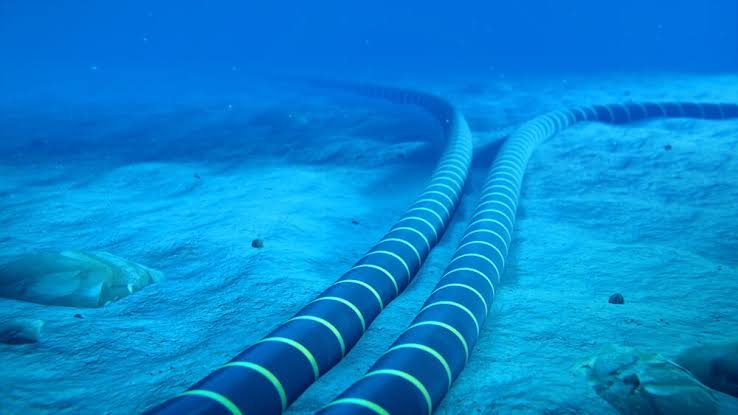
More than 90% of data transmission capacity between Europe and Asia passes through undersea cables in the Red Sea, according to estimates cited by Al Jazeera. These cables enter the waterway through the Bab al-Mandeb Strait, a strategically important passage linking the Red Sea with the Gulf of Aden.
The area has become a security concern amid fighting involving Yemen’s internationally recognized government and the Iran-backed Houthi movement. Instability near the strait could complicate the protection of telecommunications infrastructure, commercial shipping and cable repair operations.
Undersea cables carry substantial volumes of international internet traffic, supporting online banking, business communications, cloud computing and government services. Damage could force traffic onto alternative routes, potentially slowing connections and disrupting digital services across several countries.
Data centers and technology companies face risks
Data centers are another potential vulnerability. These facilities provide the computing power and storage needed for cloud platforms, digital payments and AI systems. Their operations depend on reliable electricity, cooling and telecommunications links, meaning damage to supporting infrastructure could force facilities to suspend operations even if their servers remain intact.
In March, Iranian state-linked media reportedly said the Islamic Revolutionary Guard Corps had identified cloud infrastructure associated with companies including Google, Microsoft and Oracle as potential targets. A separate reported list included Meta, Apple and the Emirati AI company G42.
Concerns have also followed reported physical damage to cloud infrastructure in the Gulf. Amazon Web Services said in March that two facilities in the United Arab Emirates had been directly struck by drones, while another strike near a facility in Bahrain caused physical damage to infrastructure. In September, the company said some locations in Bahrain and the UAE remained unavailable.
Previous cable damage highlights vulnerabilities
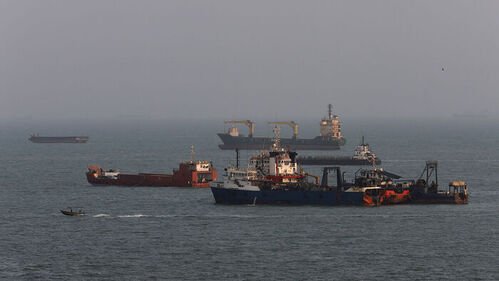
Three undersea cables were damaged in February 2024. Industry assessments pointed to the possible involvement of a dragging ship anchor after a Houthi missile attack disabled the vessel Rubymar. Repairs took considerable time.
In September 2025, two cables were cut near Jeddah, slowing internet access across parts of the Middle East and South Asia. The cause was not confirmed. The Houthis have not been directly linked to a confirmed deliberate attack on undersea internet cables, and the group denied responsibility for the 2024 damage.
Gulf countries explore alternative routes
Countries and technology companies are seeking alternative connections to reduce dependence on the Red Sea corridor. Iraq has signed an agreement with Qatar’s Ooredoo to develop a land-based data route linking the Gulf with Europe through Iraq toward Turkiye. Ooredoo’s international arm has also agreed to acquire fiber capacity from Iraq’s iQ Networks, subject to government approval.
Microsoft has separately announced plans to invest more than $400 million in undersea and land connectivity across the Middle East by 2030, according to the supplied report.
The region is also investing heavily in AI. The UAE is developing the Stargate UAE project with OpenAI, Nvidia and other partners as part of a planned large-scale AI campus. Saudi Arabia has invested in AI through Humain, while Qatar has attracted data center investment.
Microsoft announced in September plans to invest more than $10 billion across Kuwait, Qatar, Saudi Arabia and the UAE through 2030, with an emphasis on digital resilience.
Potential infrastructure disruptions could increase operating costs and influence where technology companies establish data centers and other critical facilities. Experts cited in the report point to geographical diversification, alternative communication routes and stronger infrastructure protection as important measures for reducing risks.
Although international networks have backup routes, simultaneous disruptions affecting multiple cables or facilities could cause wider problems. Iran’s warning underscores the growing strategic importance of digital infrastructure as Gulf economies expand their reliance on AI, cloud computing and international data connectivity.
Author