

Iranian officials say Tehran has intensified maritime operations and expanded threats beyond the Strait of Hormuz, raising concerns over oil prices and global shipping.
Iran is changing its tactics to intensify attacks on commercial shipping around the Strait of Hormuz, seeking to keep global oil prices elevated and influence the outcome of the US midterm elections, two senior Iranian officials told Reuters.
The officials said Tehran introduced new offensive methods about 10 days ago, increasing the frequency and changing the nature of attacks against vessels it considers to have violated its restrictions on passage through the strategic waterway.
The shift threatens to deepen disruptions to global energy supplies as Washington and Tehran remain locked in a military and economic confrontation.
Iran has sought to exert control over the Strait of Hormuz since the United States and Israel launched strikes against the country on Feb. 28. Before the conflict, the narrow passage carried roughly one-fifth of global oil and liquefied natural gas trade.
Threats and attacks have sharply reduced maritime traffic, pushed up oil prices and increased shipping and insurance costs, although some oil shipments continue to pass through the strait.
One Iranian official said the new strategy was intended to frustrate US and allied efforts to lower energy prices before the Nov. 3 midterm elections, which will determine control of Congress. Both officials said the decision had been approved at the highest levels of Iran’s leadership and coordinated across its governing system.
Iran Adopts New Surveillance Tactics
A US military official confirmed a significant change in Iran’s approach, saying the Islamic Revolutionary Guard Corps had begun using unarmed observers aboard small boats to identify potential targets after US strikes damaged much of Iran’s radar capability.
In an incident last week that had not previously been reported, US forces identified Iranian observers aboard a traditional dhow who were allegedly relaying information about targets to the IRGC. The US military confronted the vessel, instructed its occupants to abandon ship and subsequently destroyed it. No casualties were reported, according to the official.
The official said Iran had been reluctant to risk its remaining fast boats following devastating US strikes against its navy. However, Iranian forces have continued efforts to disrupt maritime traffic.
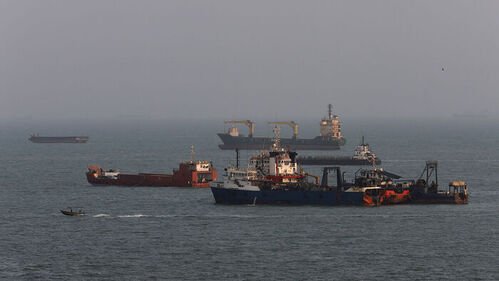
Maritime security data indicate that attacks on commercial vessels have recently reached their highest level since the conflict began. At least five incidents involving tankers and other commercial ships were reported around the Strait of Hormuz over a 48-hour period, including drone strikes, according to maritime security sources and the British navy-affiliated United Kingdom Maritime Trade Operations agency.
Shipping Threats Expand Beyond Hormuz
Iran’s reported strategy also involves extending operations into the Gulf of Oman and other surrounding waters. Maritime security assessments indicate that vessels have recently been targeted beyond the strait, including in waters off Qatar and the United Arab Emirates.
One Iranian official warned that ships violating Tehran’s restrictions would not be safe even outside the immediate Hormuz area. Both officials also indicated that Iran was moving toward a complete closure of the waterway to vessels it considers noncompliant.
The US Navy-led Joint Maritime Information Centre has maintained a severe threat assessment for merchant shipping, citing IRGC attacks, attempted attacks, surveillance and harassment of commercial vessels.
Trump Signals Tougher Response
US President Donald Trump has continued to weigh his options against Tehran while publicly saying he would not launch another attack before the midterm elections.
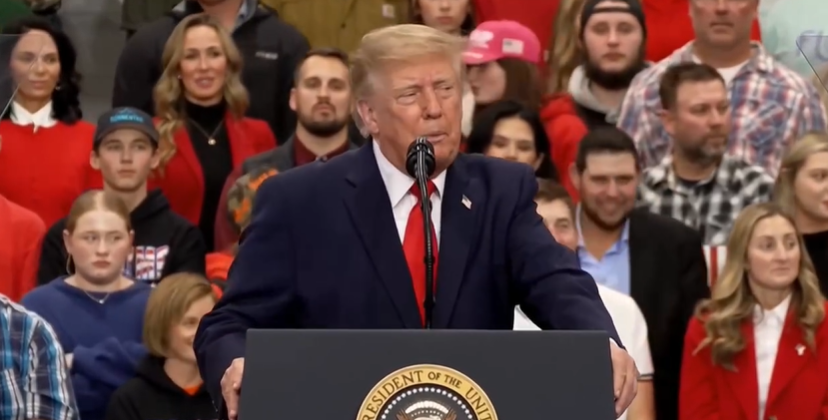
Speaking at a campaign rally in Alaska on Tuesday, Trump warned of further action against Iran and reiterated that preventing the country from obtaining a nuclear weapon remained a central US objective.
The confrontation has also become a political issue in the United States, with the conflict reportedly costing Washington about $3 billion a month.
Meanwhile, the Trump administration has maintained a naval blockade of Iranian ports and expanded sanctions to increase economic pressure on Tehran.
The Pentagon and Iran’s Foreign Ministry did not immediately respond to requests for comment.
With maritime attacks reportedly spreading across regional shipping routes and both sides maintaining pressure, the Strait of Hormuz remains a major source of uncertainty for global energy markets. Further disruption could push oil prices, transportation costs and insurance premiums higher, complicating efforts to restore normal maritime trade.
Author