

Punjab Chief Minister Maryam Nawaz Sharif approves measures to regulate flour supplies, curb wheat smuggling, secure Ramadan food stocks and modernize agricultural markets.
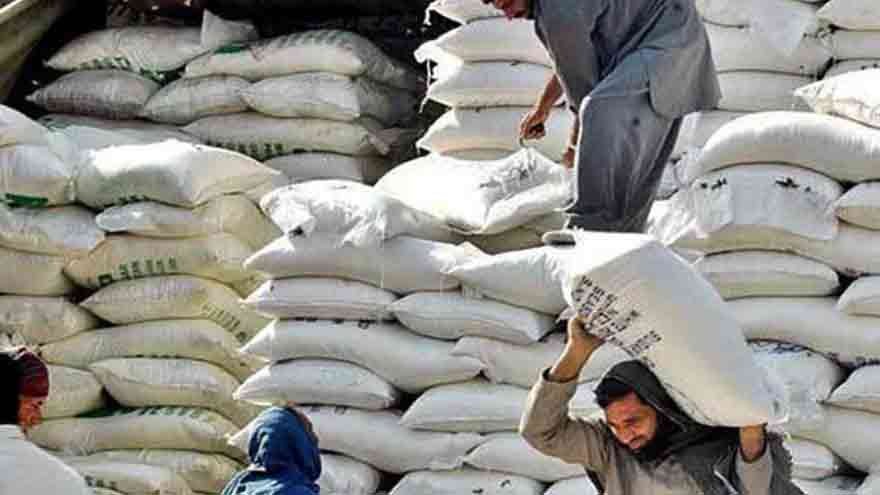
Punjab has decided to discontinue 20-kilogram flour bags and introduce 10-kilogram bags in the market as part of measures to curb the illegal transportation and smuggling of wheat and flour. The provincial government has also ordered stricter checks at interprovincial borders and directed officials to strengthen wheat cultivation, manage food supplies and regulate market prices.
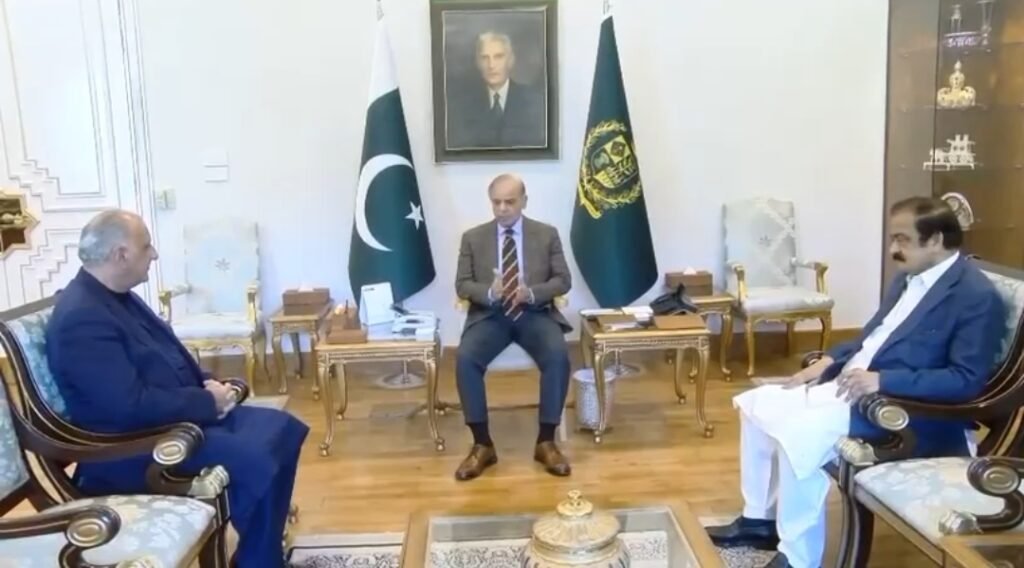
The decisions were approved at a meeting chaired by Punjab Chief Minister Maryam Nawaz Sharif to review the regulation of provincial markets and the transportation of essential food commodities.
Punjab to Discontinue 20kg Flour Bags
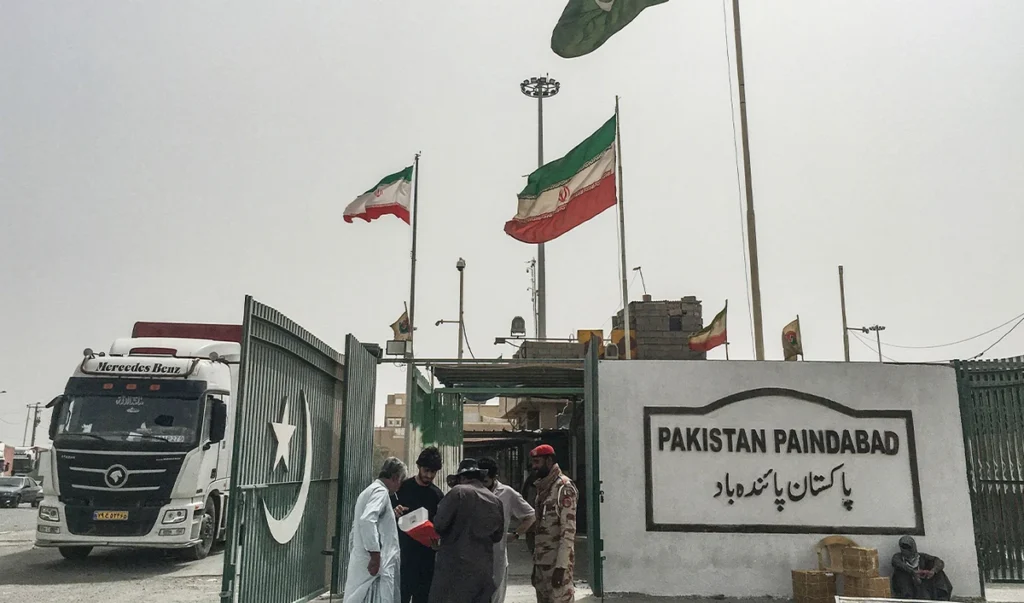
Under the approved measures, 10-kilogram flour bags will replace the existing 20-kilogram bags in the provincial market. Authorities have also been instructed to tighten inspections and monitoring at interprovincial borders to prevent the illegal movement of wheat and flour.
The government aims to regulate the supply of essential food commodities and maintain price stability through stricter oversight of transportation and distribution.
Wheat Cultivation Ordered on Specified Land
To meet agricultural production targets, all deputy commissioners have been directed to ensure wheat sowing in their respective districts.
According to the decisions announced after the meeting, wheat will be the only crop cultivated on government-owned land and land covered by the Nambardar, horse-breeding and “Apna Khet, Apna Rozgar” schemes.
The measures are intended to support wheat production and ensure the availability of the staple grain across the province.
Ramadan Food Stocks and Price Monitoring
Ahead of the upcoming month of Ramadan, deputy commissioners have been directed to ensure adequate stocks of bananas, apples and dates at cold storage facilities in their respective areas. The aim is to make these fruits available at controlled prices during the month.
Officials also presented a comparative review of prices for 15 essential food items, including vegetables, pulses and other basic commodities.
The review is intended to help authorities monitor market conditions and assess price movements ahead of the seasonal increase in demand.
Punjab Plans Market Waste and Dehydration Projects
The meeting also approved initiatives to improve agricultural infrastructure and the availability of fresh produce.
Punjab has decided to introduce a project titled “Transforming Market Waste Into Wealth,” described in the meeting’s announcement as a first for the province. The initiative is intended to turn market waste into a resource.
A dehydration project under the Punjab Agricultural Marketing Regulatory Authority (PAMRA) was also approved to support the year-round availability of off-season fruits and vegetables.
Officials were directed to complete work on the province’s first Mandi Mart in Kahna soon and establish additional marts across Punjab.
Measures to Regulate Loose Milk Sales
The provincial government has also ordered comprehensive measures to regulate the sale of loose milk and improve the supply of quality products to consumers.
According to government spokespersons, the overall objective of the decisions is to ensure the availability of essential food commodities, improve market regulation and maintain price stability across Punjab.
The implementation of these measures will depend on the relevant provincial departments and district administrations carrying out the directives issued at the meeting.
About The Author