
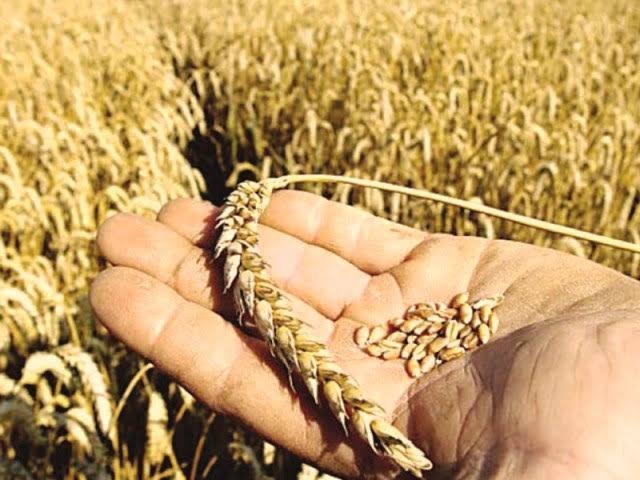

Pakistan’s government proposes a wheat price of Rs 4,500 per maund for 2027, up from Rs 3,500 last year, to address rising production costs and encourage local cultivation.
ISLAMABAD: Prime Minister Shehbaz Sharif has set a proposed illustrative price of Rs 4,500 per maund of wheat for 2027, an increase of Rs 1,000 from last year’s Rs 3,500, in a move aimed at supporting farmers, encouraging cultivation and strengthening Pakistan’s food security.
According to a press release issued by the Prime Minister’s Office on Thursday, the proposed price takes into account rising agricultural production costs, higher petrol prices and broader inflationary pressures affecting farmers.
The government expects the proposed rate to help growers recover their production expenses and earn a reasonable profit, encouraging them to allocate more land to wheat cultivation in the coming season.
Sharif said the decision was intended to provide relief to farmers facing mounting financial pressures and to create stronger incentives for domestic wheat production. The government also expects the measure to contribute to increased sowing and higher national output in 2027.
The prime minister acknowledged the guidance of President Asif Ali Zardari and PML-N leader Nawaz Sharif, along with the consultation and cooperation of the chief ministers of Punjab and Sindh, in the decision-making process.
He particularly thanked Punjab Chief Minister Maryam Nawaz for her cooperation and valuable suggestions during consultations. Sharif also expressed appreciation for the support extended by Sindh Chief Minister Syed Murad Ali Shah.
According to the Prime Minister’s Office, farmers have faced financial difficulties in recent years because of inflation and rising agricultural input costs. Pakistan has also had to import wheat over the past two years, highlighting the importance of encouraging domestic production, the statement said.
The proposed price increase is intended to improve the economic position of growers while supporting stability in the agricultural sector. By offering a higher indicative price, the government hopes to make wheat cultivation more attractive and reduce the risk of insufficient domestic production.
Wheat remains an important crop for Pakistan’s food supply, making domestic production a key consideration in the government’s agricultural policy. The proposed pricing measure is part of efforts to strengthen food security and move the country toward greater self-sufficiency in meeting its food requirements.
The government expects the revised indicative price to encourage farmers to participate more actively in the next wheat-growing season. Higher sowing and improved domestic output could help support national food requirements, although the actual outcome will depend on farmers’ production decisions and other agricultural conditions.
The Prime Minister’s Office described the decision as a step toward improving farmers’ economic well-being, stabilizing the agricultural economy and promoting greater self-reliance in food production.
The announced figure is a proposed illustrative price, rather than a confirmed final procurement price. The press release did not specify a separate implementation mechanism or provide further details on how the proposed rate would be applied.
About The Author