
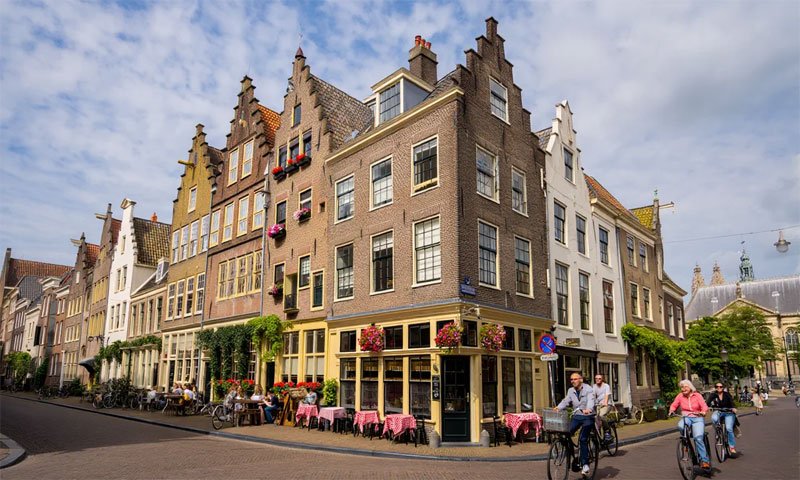
Amsterdam: The Netherlands has announced a major change to its citizenship laws, removing the 10-year mandatory residency requirement for foreign nationals seeking Dutch citizenship. The reform is being hailed as a significant step to simplify the naturalization process.
According to international news agencies, the Dutch government has made no changes to existing rules regarding dual nationality. However, the process of obtaining citizenship has been streamlined, making it easier for eligible applicants to become Dutch citizens.
Under the new rules, foreign residents will no longer need to live in the Netherlands for 10 years to apply for citizenship. However, the law still requires applicants to renounce their previous nationality, as dual citizenship remains largely prohibited in the Netherlands.
Currently, the Netherlands and Austria are the only EU countries that restrict dual citizenship for new citizens. In contrast, Germany recently introduced legislation allowing individuals to retain their original nationality while acquiring German citizenship.
Legal experts have pointed out that while Dutch citizens may hold multiple passports, new immigrants are still denied this privilege, which they describe as discriminatory.
The government expects the law change to attract more foreign residents and ease integration while maintaining national legal standards.
About The Author