

Shocking claims, past criminal record, and viral accusations raise serious questions about public safety and misinformation
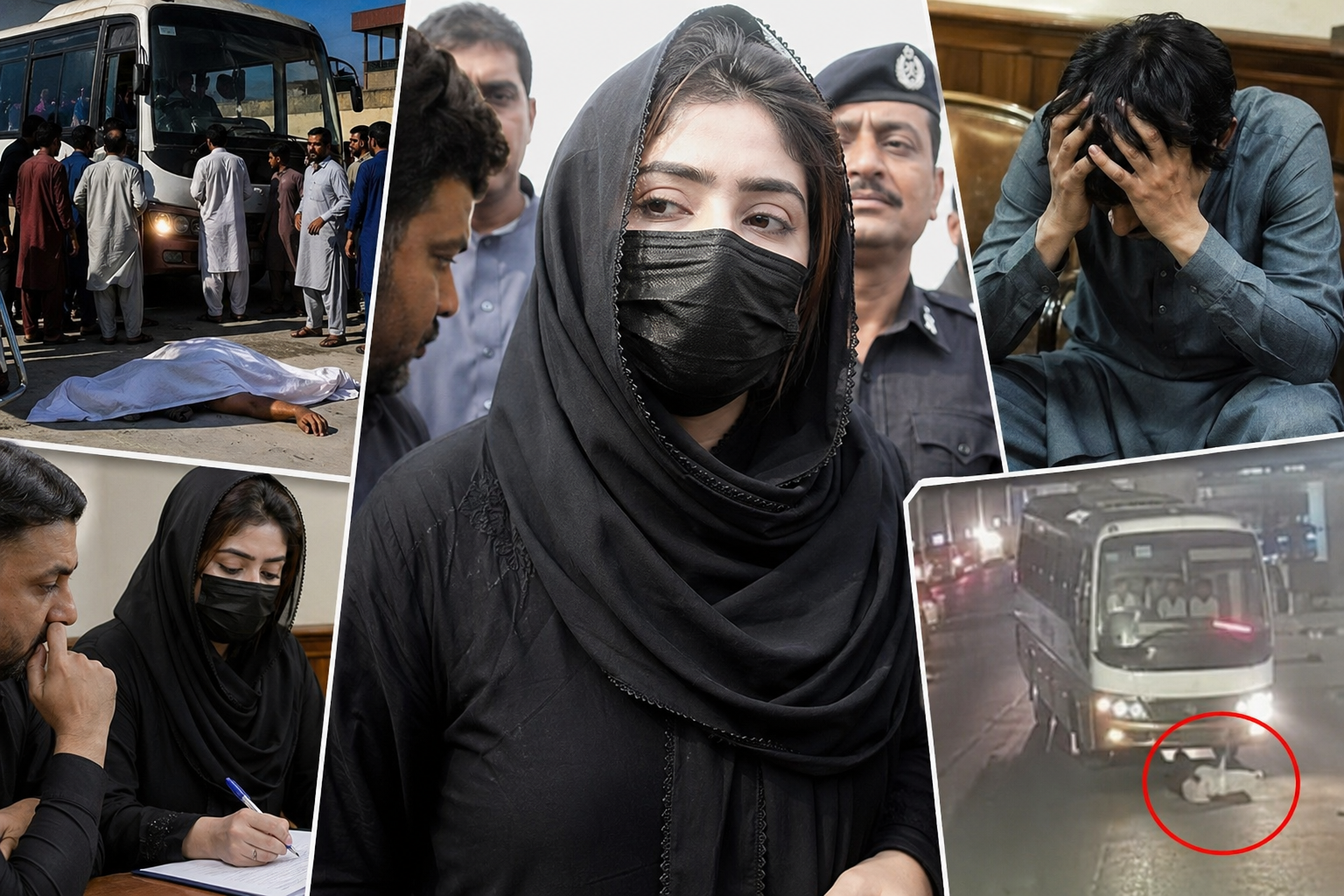
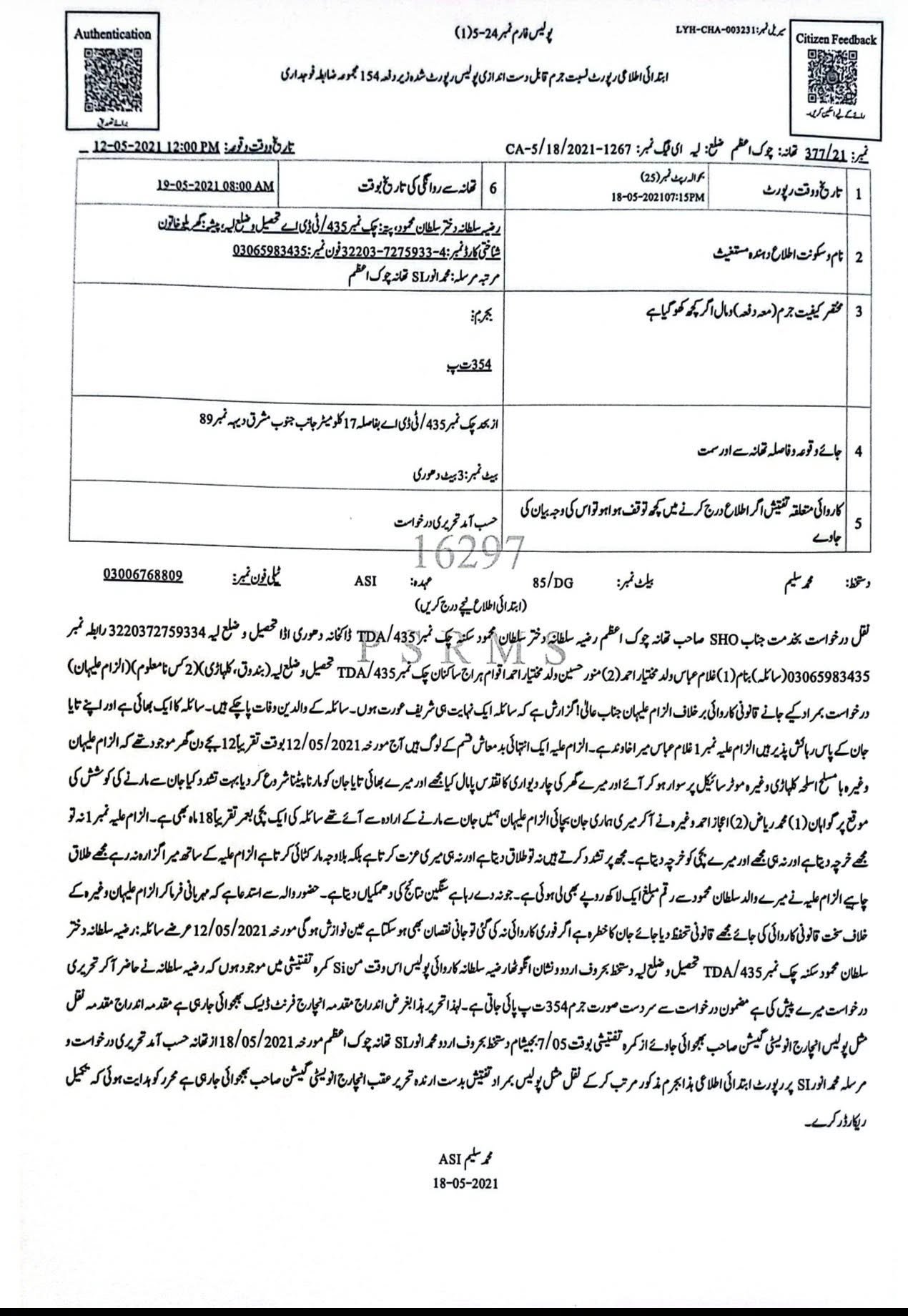
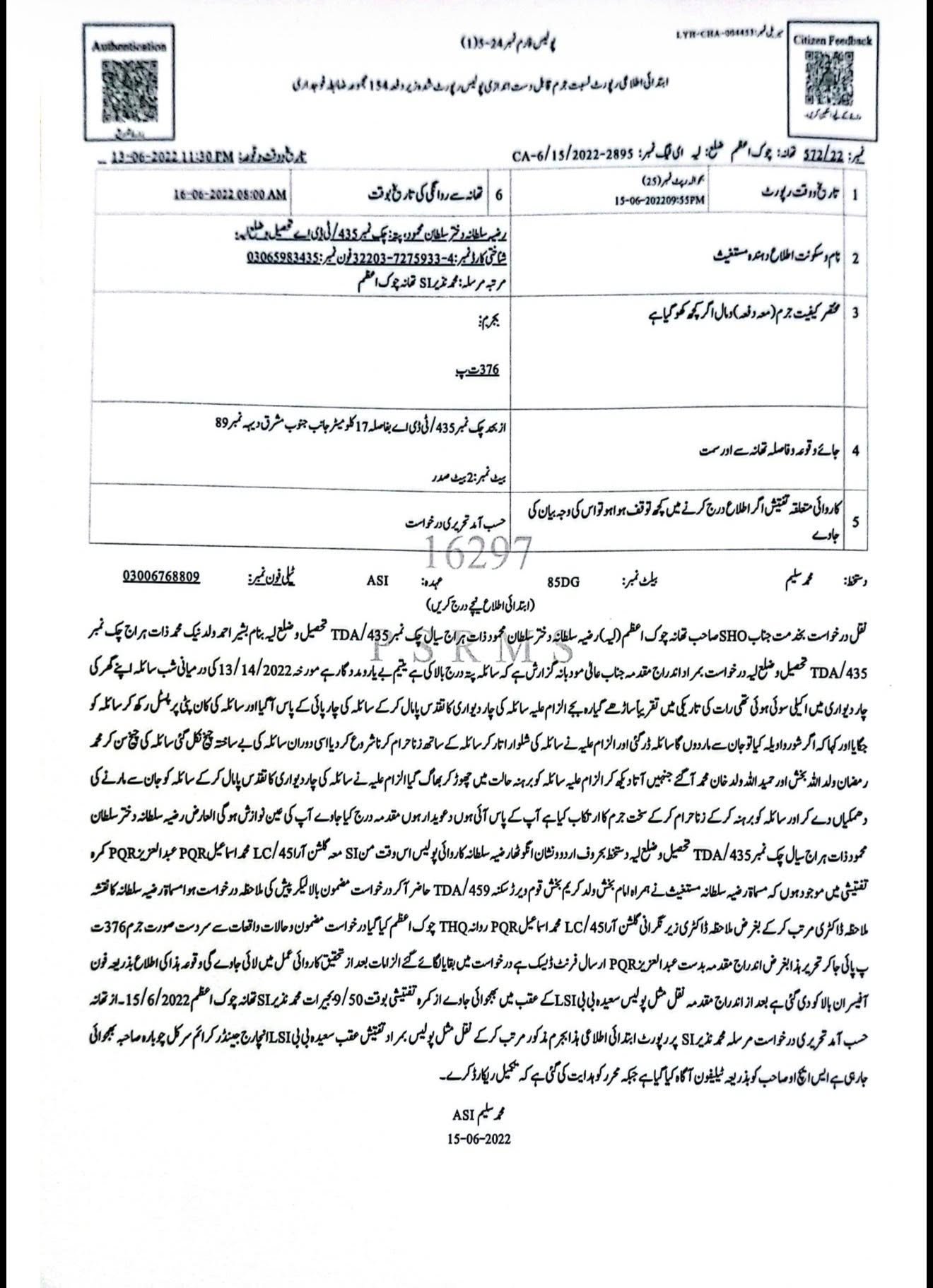
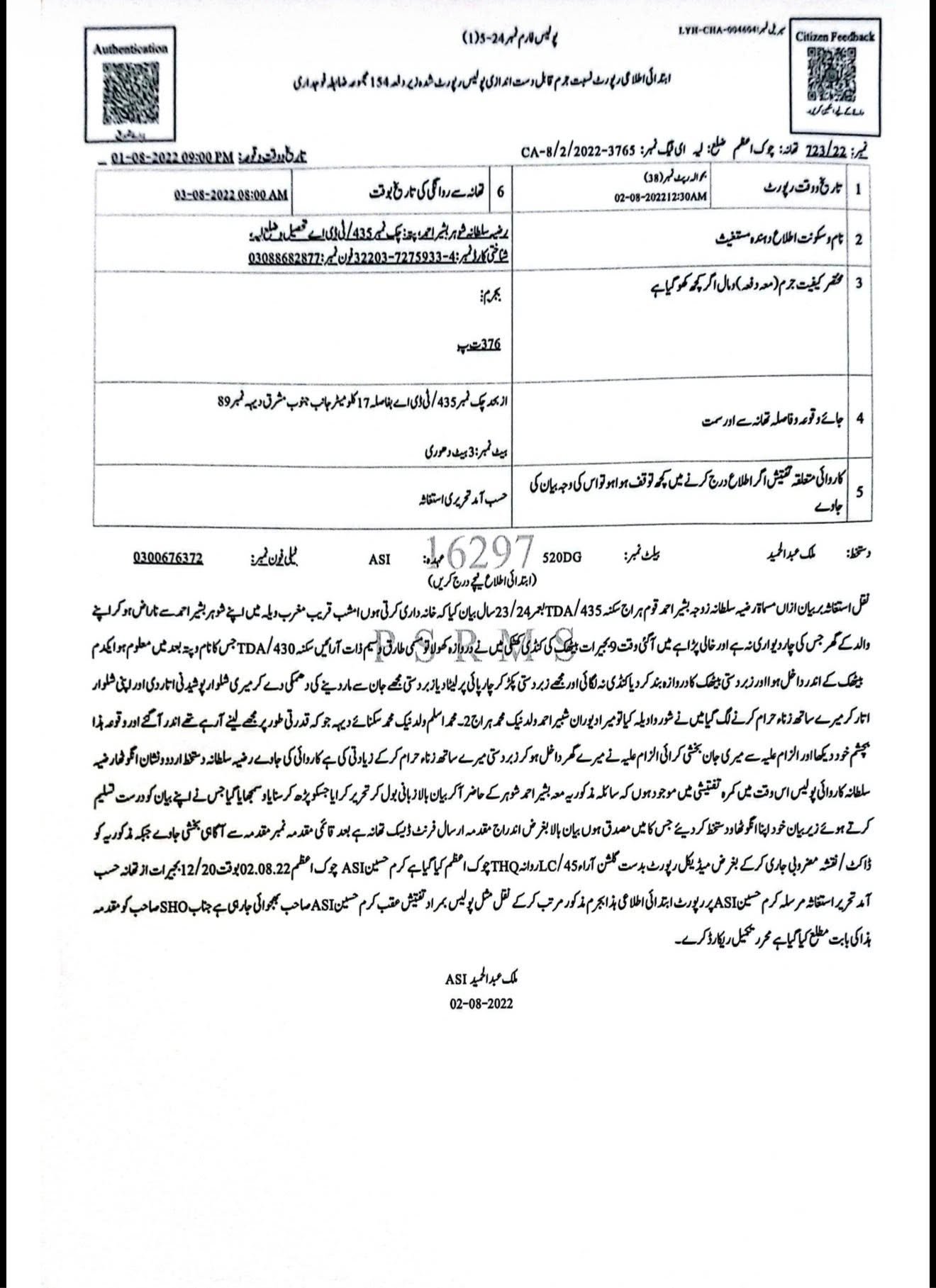
A fresh wave of controversy has erupted after new allegations surfaced involving a woman identified as “fake bus hostess” Razia, who had previously accused a man named Ashraf of rape at Pir Wadhai. The case, already under scrutiny, has now taken a dramatic turn with claims about Razia’s alleged criminal past circulating widely on social media, sparking public outrage and confusion.
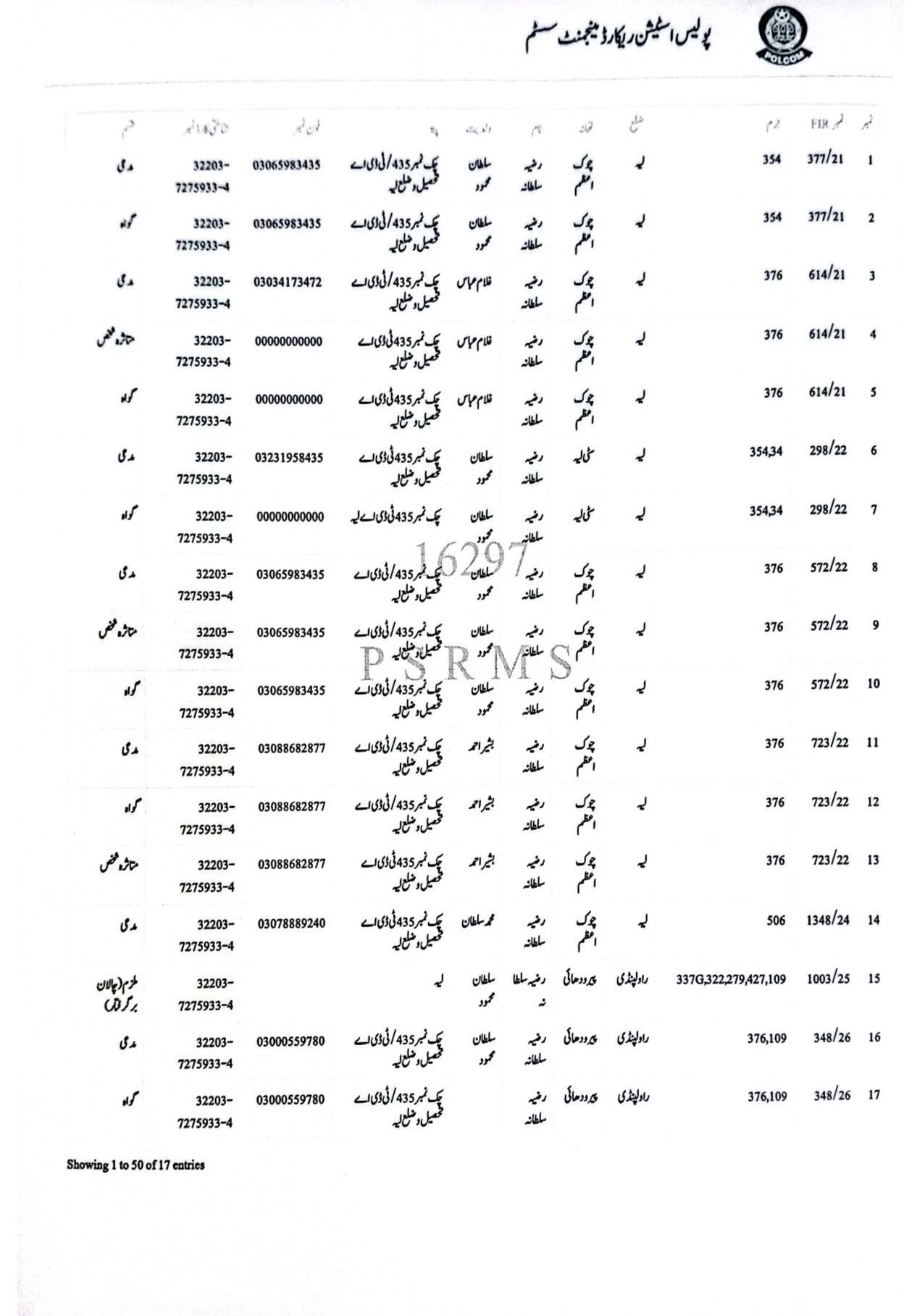
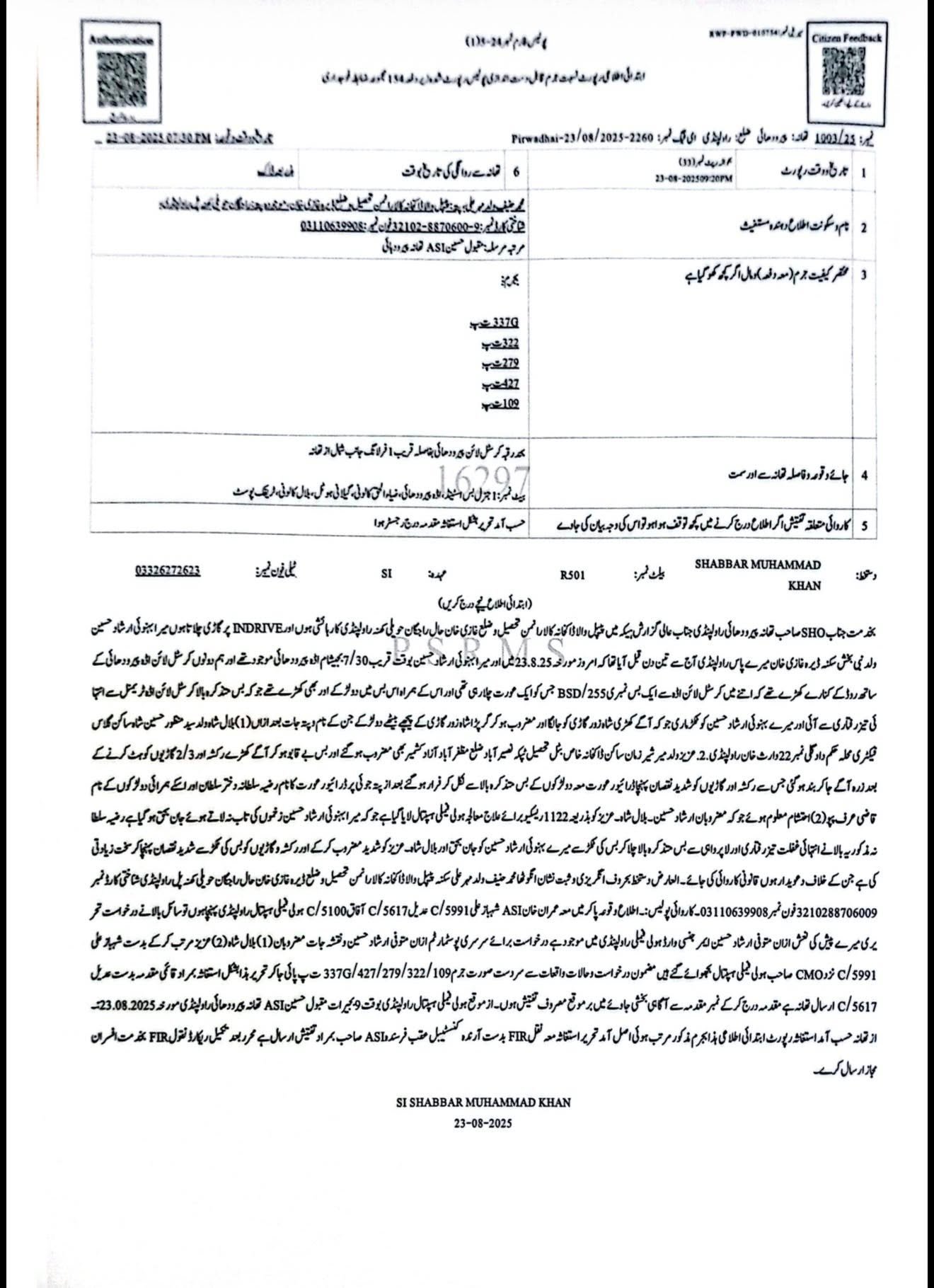
The latest claims suggest that Razia was allegedly involved in a fatal incident at Pir Wadhai bus stand, where she reportedly ran over a citizen with a bus, resulting in his death. According to these circulating reports, a case had also been registered against her in connection with that incident. However, officials have yet to publicly confirm these allegations, leaving room for speculation and misinformation.
The situation first gained traction when Razia accused Ashraf of rape at a local hotel in Pir Wadhai. The claim quickly went viral, drawing intense public attention and triggering debates about women’s safety, false accusations, and the role of social media in shaping narratives before legal conclusions are reached. As the story spread, conflicting accounts began to emerge, with some users questioning the credibility of the accusation and others demanding immediate justice.
Now, with additional allegations about Razia’s past surfacing, the case has become even more complex. Social media platforms are flooded with posts claiming to present “evidence” of her alleged previous crimes. These include accusations of fraud, impersonation, and violent behavior. However, many of these claims remain unverified, highlighting the dangerous speed at which information and misinformation can spread online.
Legal experts warn that such situations require careful handling. “When cases like this go viral, there is always a risk that public opinion will overshadow due process,” said a senior criminal lawyer based in Rawalpindi. “Both the complainant and the accused have rights, and it is essential that investigations are conducted based on evidence, not social media narratives.”
Police sources indicate that investigations into both the rape allegation and Razia’s alleged past activities are ongoing. Authorities have urged the public to refrain from sharing unverified information, emphasizing that spreading false claims can hinder investigations and potentially lead to legal consequences.
This incident also sheds light on a broader issue: the growing challenge of distinguishing fact from fiction in the digital age. Viral content often lacks context, and emotionally charged claims can quickly gain traction without proper verification. In sensitive cases involving serious accusations like rape or murder, this can have far-reaching consequences for all parties involved.
Public reaction has been sharply divided. Some people are expressing anger over what they perceive as a misuse of serious allegations, while others caution against dismissing claims without proper investigation. Women’s rights activists have also weighed in, stressing that false accusations, if proven, can undermine genuine victims’ struggles for justice.
“This is why due process is crucial,” said a social activist. “We must support victims, but we must also ensure that accusations are thoroughly investigated. Jumping to conclusions can damage lives on both sides.”
Meanwhile, calls for transparency and accountability are growing louder. Citizens are demanding clear updates from law enforcement agencies to separate verified facts from rumors. The lack of official clarity has only fueled speculation, making it harder for the public to understand the truth.
As the case continues to unfold, it serves as a reminder of the importance of responsible reporting and critical thinking. Sensational headlines and viral posts may attract attention, but they can also distort reality if not backed by credible evidence.
For now, the focus remains on the investigation. Authorities are expected to release further details as they verify the claims and gather evidence. Until then, experts advise the public to rely on official statements and credible news sources rather than unverified social media content.
The Pir Wadhai incident has become more than just a local controversy it is now a case study in how quickly narratives can shift and how crucial it is to approach such situations with caution, fairness, and a commitment to truth.
About The Author