
Sources say Interior Minister Mohsin Naqvi’s remarks were intended to promote administrative reforms and national dialogue on governance, not to signal differences within the government or state institutions.
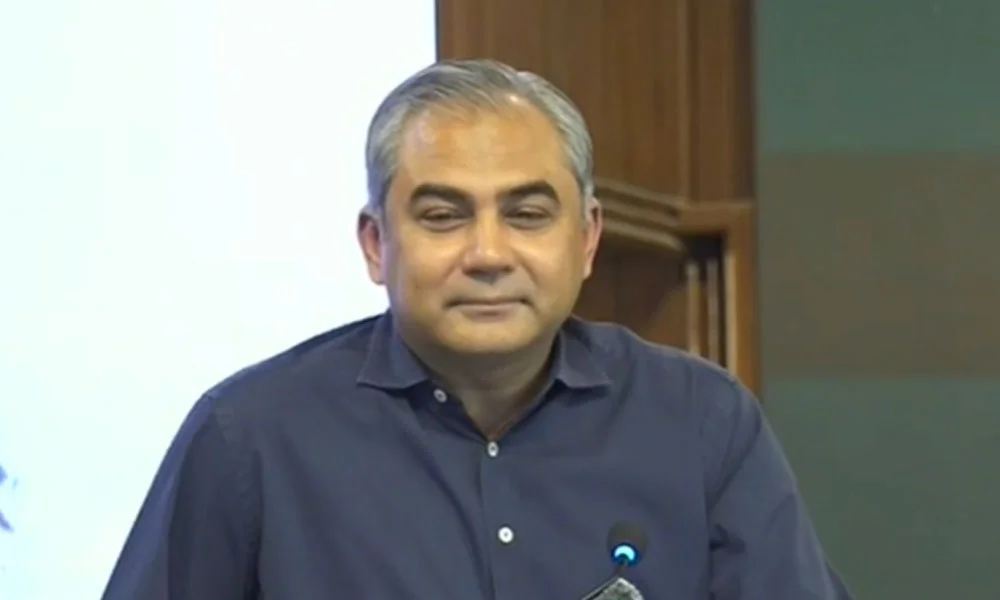
ISLAMABAD: Interior Minister Mohsin Naqvi’s recent remarks describing Pakistan’s governance system as “broken” were intended to encourage debate on administrative reforms rather than reflect any disagreement within the government or state institutions, according to informed sources.
Naqvi made the comments while addressing the Pakistan Economic Summit 2026, where he argued that Pakistan’s current governance model is struggling to meet the country’s growing administrative and development challenges. He urged political parties to build a national consensus on the creation of new provinces or administrative units as part of a broader reform agenda.
His remarks quickly sparked political debate, with some analysts interpreting them as criticism of the existing governance structure and others speculating about possible differences between the civilian government and the military establishment.
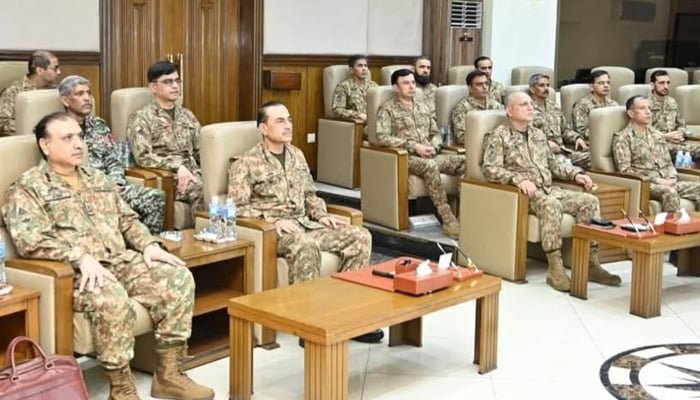
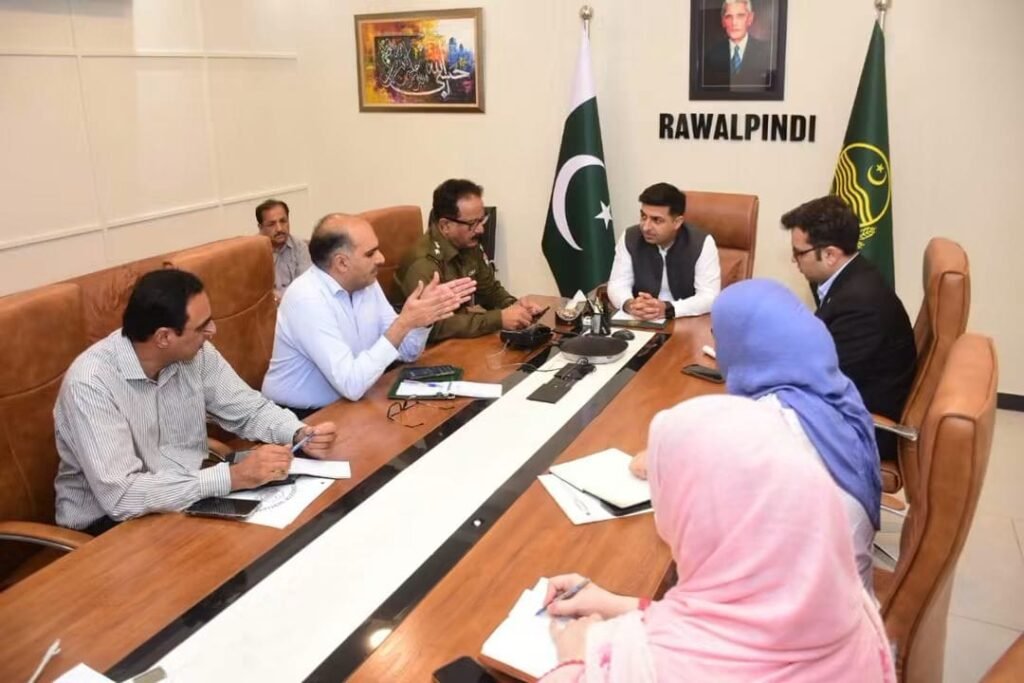
However, sources familiar with the matter rejected those interpretations, saying the interior minister’s comments were solely aimed at highlighting the need for structural reforms to improve governance and public service delivery. They emphasized that there was no disagreement between Islamabad and Rawalpindi over the issue.
During his speech, Naqvi warned that without meaningful institutional reforms, Pakistan would continue facing the same governance challenges for years to come. He argued that the country requires long-term structural solutions instead of temporary administrative measures.
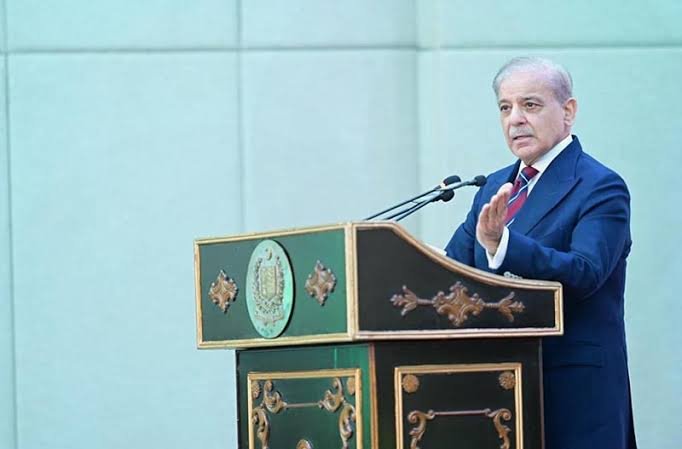
The interior minister also referred to the prime minister’s reported 18- to 20-hour workdays, saying such dedication demonstrates commitment but cannot permanently resolve systemic governance problems. He stressed that lasting improvements require changes to the administrative framework rather than relying on extraordinary individual efforts.
According to informed sources, Naqvi’s objective was to encourage policymakers, political parties and the public to engage in a national discussion on whether additional provinces or administrative units could improve governance across Pakistan.
Supporters of the proposal argue that the country’s existing provincial structure has become increasingly difficult to manage due to population growth and expanding administrative responsibilities. They believe creating smaller administrative units could strengthen local governance, improve access to public services, enhance development planning and bring government institutions closer to citizens.
About The Author