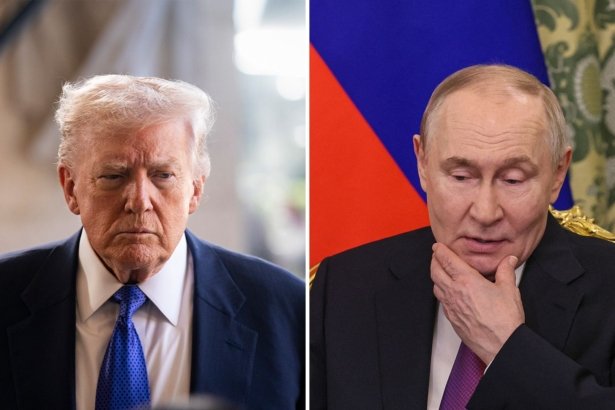
The United States and Russia are now left without any formal limits on their strategic nuclear arsenals following the expiration of the New START treaty this week raising global concerns about a renewed nuclear arms race and increased strategic instability.
New START was the last remaining arms control agreement between Washington and Moscow, placing caps on deployed strategic warheads, missiles, and launchers. With no extension or successor treaty in place, experts warn that the absence of transparency and verification mechanisms could significantly increase nuclear risks.
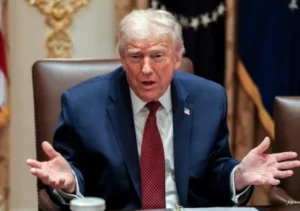
Russian President Vladimir Putin had reportedly considered a one-year extension of the treaty’s core provisions but former U.S. President Donald Trump did not formally respond. Trump has instead argued for a broader agreement that would also include China. Beijing however has rejected participation noting that its nuclear arsenal estimated at around 600 warheads remains far smaller than the roughly 4,000 warheads held by both the U.S. and Russia.
Just hours before the treaty expired, Moscow criticized Washington’s stance as erroneous and regrettable,” declaring the agreement null and void. Russia warned it is prepared to take military-technical measures to safeguard its security, while still expressing openness to diplomatic engagement.
The White House has yet to outline a clear path forward on nuclear arms control, leaving uncertainty over the future of strategic stability.
About The Author