

Addressing a high-level meeting at COP31 in Antalya, the prime minister highlights Pakistan’s solar expansion, electric vehicle targets and $188 billion clean energy investment requirements.
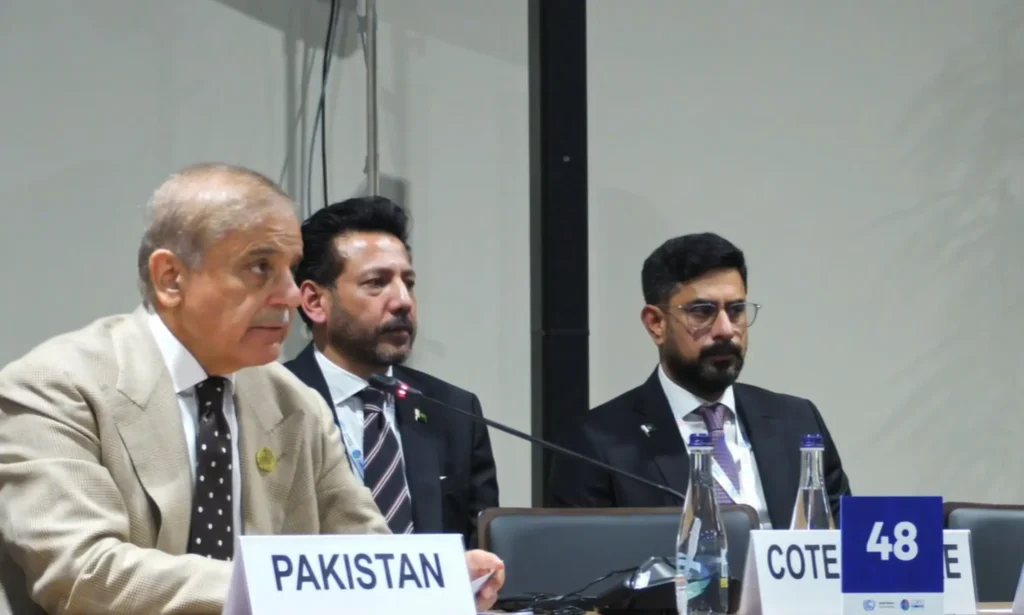
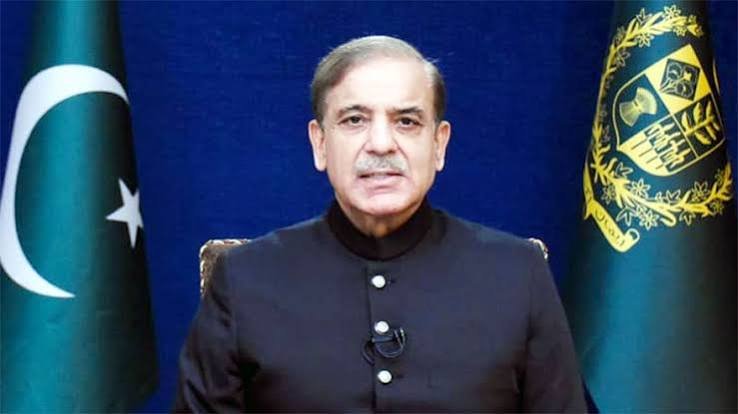
ANTALYA: Prime Minister Shehbaz Sharif has reaffirmed Pakistan’s commitment to the global 35-by-35 Electrification Pledge, calling for international cooperation, affordable technologies and substantial financial support to achieve the ambitious clean energy target.
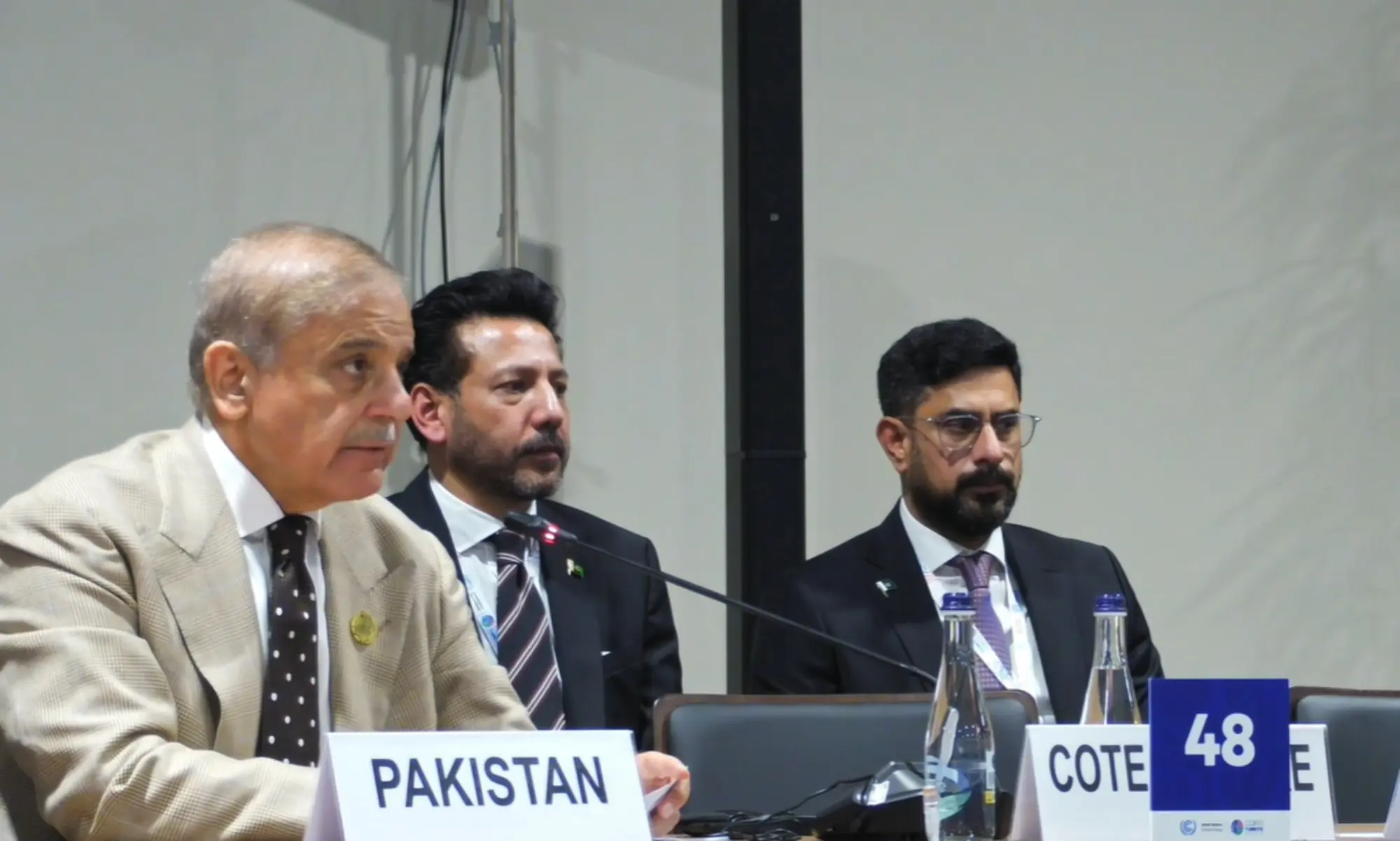
Addressing a high-level meeting titled “Clean Energy Transition by 2035: Powering the Future” in Antalya, Türkiye, the prime minister said Pakistan had made significant progress in transitioning towards cleaner energy over the past two years.
Highlighting the country’s growing reliance on renewable energy, Shehbaz said Pakistan had added nearly 22 gigawatts of solar capacity during this period. He described the expansion of rooftop solar power as a major transformation, driven by households seeking affordable electricity and a more reliable energy supply.
The prime minister also referred to the inauguration of a key section of Pakistan’s seventh nuclear power plant before his departure for Türkiye. The project is expected to contribute 1,200 megawatts of electricity to the national grid.
He said renewable and other clean energy sources now accounted for nearly 55% of Pakistan’s overall energy mix.
Shehbaz also outlined the government’s plans to accelerate the transition towards electric mobility through its recently introduced automobile policy. Pakistan aims to ensure that electric vehicles account for 30% of new vehicle sales by 2030.
To encourage adoption, the government is offering incentives, including reduced tariffs. The prime minister said all future government buses and motorcycles would also be electric-powered.
He added that electric motorcycles were gaining popularity in the country, with more than 10% of motorcycles sold in Pakistan this year being electric.
However, Shehbaz cautioned that sustaining the pace of the clean energy transition would require substantial investment, particularly in electricity transmission networks, energy storage facilities and affordable access to modern technologies.
He said developing countries already facing significant debt pressures could struggle to finance ambitious energy transitions without international assistance.
The prime minister estimated that Pakistan would require approximately $138 billion by 2035 to develop low-carbon electricity generation capacity. An additional $50 billion would be needed to replace coal-based power generation with solar energy.
Calling for stronger international financial cooperation, Shehbaz stressed that global electrification ambitions could only be achieved if international commitments were supported by concessional financing and the transfer of affordable technologies.
He urged world leaders to work collectively towards cleaner economies, emphasising that the energy transition should improve people’s lives without imposing an unbearable financial burden or causing environmental damage.
His remarks highlighted Pakistan’s ongoing efforts to expand renewable energy, develop cleaner electricity generation and promote electric transportation while seeking international support to meet its long-term energy objectives.
About The Author