

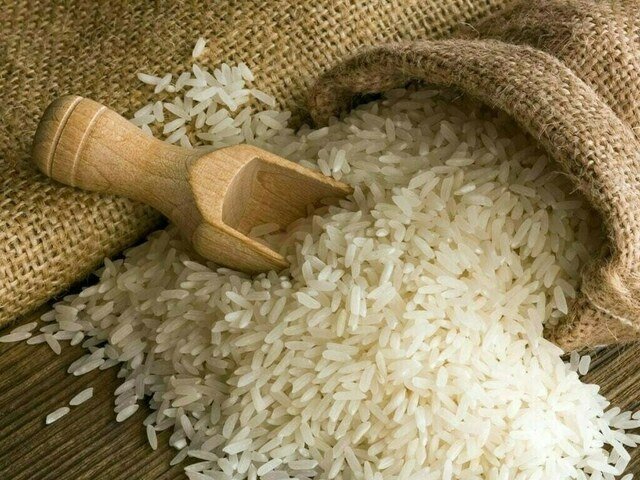

Pakistan exported 1.351 million tonnes of rice between July and October 2026, with Basmati shipments rising 62% despite international shipping disruptions and geopolitical tensions.
LAHORE: Pakistan’s rice exports increased by 353,000 tonnes during the first four months of the current fiscal year, reaching 1.351 million tonnes between July and October 2026, as strong international demand boosted shipments of both Basmati and non-Basmati varieties.
The growth was supported by a significant increase in Basmati exports, which recorded a 62% year-on-year rise despite disruptions to international shipping routes and escalating geopolitical tensions across the Middle East.
Trade figures show that Pakistan exported 301,000 tonnes of Basmati rice during July-October, representing an increase of 116,000 tonnes compared with the corresponding period last year.
Non-Basmati rice exports also maintained positive momentum, increasing by 140,000 tonnes year-on-year to reach 1.049 million tonnes. The segment registered 16% growth despite competition from major international suppliers, including India, Thailand, Vietnam, Cambodia and Myanmar.
The expansion came amid mounting challenges for international maritime trade, particularly around the Red Sea, the Strait of Hormuz and other regional shipping routes. Geopolitical tensions involving Iran, shipping diversions, higher freight charges and rising marine insurance costs added pressure on exporters.
However, Pakistan’s Basmati sector benefited from several domestic factors that helped sustain its export performance. These included the extension of the Drawback of Local Taxes and Levies (DLTL) scheme until September, substantial carryover stocks, increased cultivation, double-cropping in selected areas and improved per-acre yields.
Favourable weather conditions also contributed to a stronger harvest, allowing exporters to maintain supplies despite logistical difficulties and uncertainty in international markets.
Meanwhile, October trade figures identified the Philippines as the largest destination for Pakistani rice, importing 87,478 tonnes during the month.
Tanzania ranked second with imports of 43,747 tonnes, followed by Kenya at 33,078 tonnes. The United Arab Emirates purchased 25,305 tonnes, while the European Union imported 21,200 tonnes.
Other significant destinations included Central Asia, which imported 16,400 tonnes, China with 11,949 tonnes and Saudi Arabia with 7,655 tonnes.
The Philippines’ leading position among October destinations highlights the importance of Asian markets for Pakistan’s rice export industry, while demand from African, Middle Eastern and European buyers also contributed to overseas shipments.
The latest trade figures reflect the expansion of Pakistan’s rice export sector during the opening months of FY2026-27. Increased cultivation, improved agricultural yields and stronger demand for both major rice varieties helped exporters maintain growth despite international competition, higher shipping costs and regional geopolitical uncertainty.
About The Author