

Pakistan and Turkmenistan discuss expanding trade, investment, energy cooperation and regional connectivity as bilateral trade declines sharply.
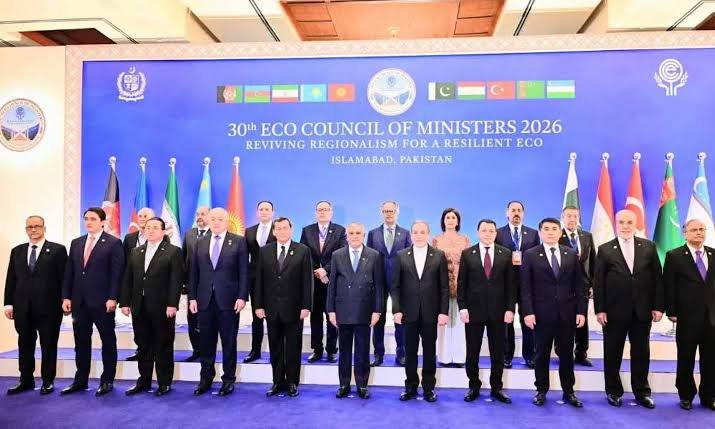
ISLAMABAD: Pakistan and Turkmenistan have agreed to explore new opportunities to strengthen economic cooperation, focusing on trade, investment, energy and regional connectivity during the sixth session of their Joint Intergovernmental Commission (JIC) in Islamabad on Tuesday.
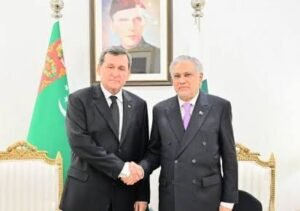
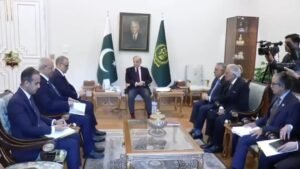
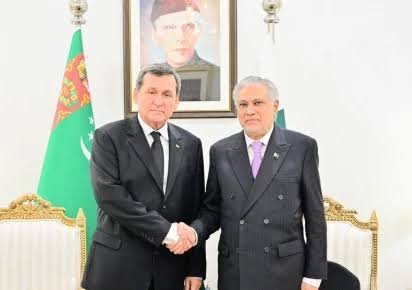
The meeting was co-chaired by Deputy Prime Minister and Foreign Minister Ishaq Dar and Turkmenistan’s Deputy Chairman of the Cabinet of Ministers and Foreign Minister Rashid Meredov. Both sides reviewed bilateral relations and discussed cooperation in transit trade, agriculture, food security, transport, communications, industry, information technology, education, healthcare, banking, tourism, sports and culture.
The two countries emphasised strengthening business-to-business contacts and institutional partnerships to translate longstanding diplomatic relations into practical economic initiatives.
Dar called for effective implementation of decisions reached during bilateral meetings through Joint Working Groups, regular coordination and consistent follow-up. He described the commission as an important platform for reviewing progress on previous agreements and identifying practical measures to expand cooperation.
The meeting was attended by federal ministers for power, commerce and petroleum, ministers of state for federal education and national heritage, and senior government officials.
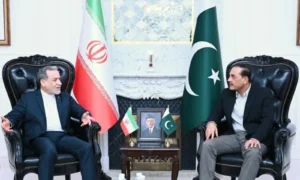
Earlier, Dar held a separate meeting with Meredov at the Foreign Office, where the two foreign ministers discussed bilateral relations, regional developments and opportunities to expand cooperation in trade, investment, energy, connectivity and people-to-people exchanges.
Dar reiterated Pakistan’s position that dialogue and diplomacy were essential to resolving outstanding disputes and achieving lasting regional peace. Meredov appreciated Islamabad’s diplomatic efforts and constructive role in promoting regional stability.
In his opening remarks, Dar said Pakistan attached considerable importance to its relations with Turkmenistan, describing them as based on historical ties, mutual respect and shared interests. Meredov described Pakistan as an important partner in strengthening economic connections between Central and South Asia.
Separately, Commerce Minister Jam Kamal Khan met Turkmenistan’s Minister of Trade and Foreign Economic Relations, Dortguly Suleymanov, to discuss reviving bilateral trade and improving access to each other’s markets.
Khan identified potential business opportunities in textiles, agriculture, food processing, manufacturing and logistics. He also proposed direct flights between Islamabad and Ashgabat, along with chartered cargo services to transport perishable agricultural and food products.
Suleymanov welcomed the proposal and indicated that it could be discussed with the relevant aviation authorities. The ministers also considered improving cross-border transportation and exploring alternative trade corridors for Pakistani exports, including marble, to Central Asian markets.
Khan highlighted the expanding presence of Pakistan’s National Logistics Corporation in the region and called for easier transportation arrangements and simplified business visa procedures to facilitate trade and investment.
During the meeting, Suleymanov expressed concern over declining bilateral trade and called for urgent measures to restore commercial activity.
Trade between the two countries exceeded $36 million in 2025, representing a decline of nearly 23% from the previous year. During the first nine months of 2026, bilateral trade stood at approximately $15 million, down 56% compared with the corresponding period in 2025.
The Turkmen minister attributed much of the decline to reduced textile exports and expressed interest in restoring traditional trade volumes while diversifying exchanged products.
Both sides agreed to share updated lists of exportable goods and import requirements and appoint focal persons to maintain regular communication.
Khan also briefed his counterpart on Pakistan’s five-year tariff rationalisation programme and a newly developed online trade information portal offering details about preferential trade agreements and tariff schedules.
About The Author