
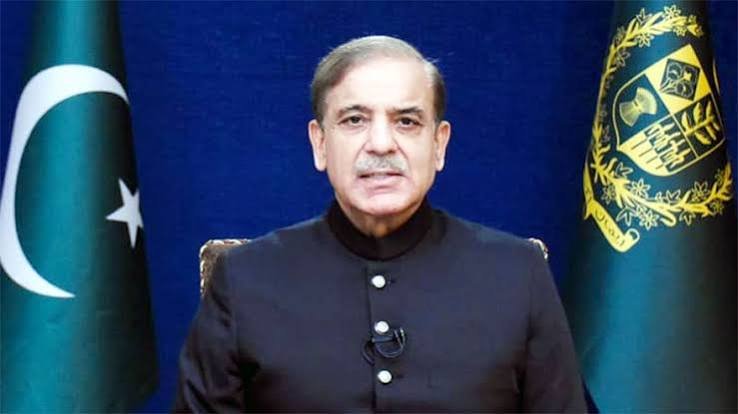

Prime Minister Shehbaz Sharif praises security forces for an intelligence-based operation near Mir Ali in North Waziristan and condemns terrorists’ alleged use of mosques for storing explosives and promoting violence.
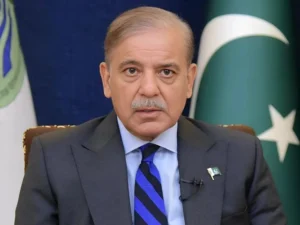
ISLAMABAD: Prime Minister Shehbaz Sharif has praised Pakistan’s security forces for their successful intelligence-based operation in Mozak, a village near Mir Ali in North Waziristan, and commended their professionalism.
According to a statement issued by the Prime Minister’s Office on Monday, the prime minister also condemned the use of mosques by terrorists for storing explosives and as centres of violence, describing such actions as a blatant desecration of Islam and sacred places.
Shehbaz Sharif said that using mosques, which hold religious significance for Muslims, for terrorist activities was a clear violation of Islamic teachings.
He further said that the use of sacred religious places for terrorism by what the statement described as Indian-backed Fitna al-Khawarij demonstrated the group’s departure from the fundamental teachings of Islam.
The prime minister’s remarks came in response to the security forces’ intelligence-based operation in the North Waziristan area. He praised the forces for their professional conduct and successful execution of the operation.
In his statement, Shehbaz Sharif reiterated the government’s commitment to combating terrorism and said that security forces and law enforcement agencies would continue operations with full force until terrorism was completely eliminated from the country.
He stressed that counterterrorism efforts would remain ongoing, underscoring the role of security institutions in addressing threats posed by militant groups.
The Prime Minister’s Office did not provide further operational details, including the number of suspects involved, casualties or the specific outcome of the operation, in the press release.
About The Author