
Escalating naval confrontations and ship seizures raise fears of a wider conflict in the world’s most critical oil corridor called Strait of Hormuz.
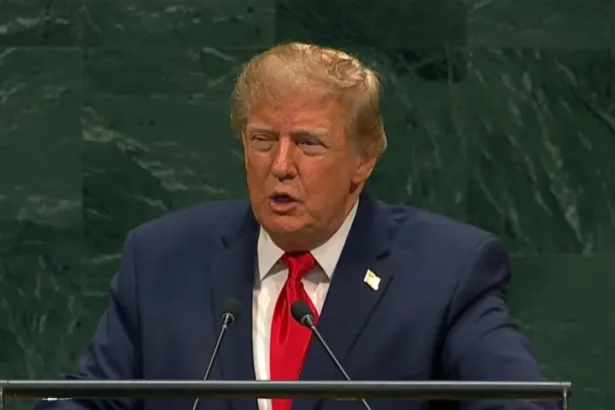
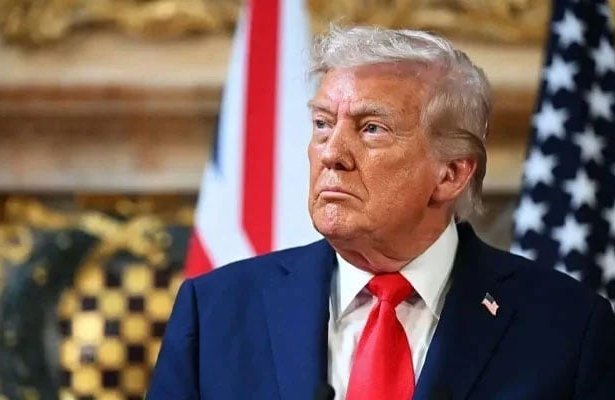
Tensions in the Middle East surged dramatically after US President Donald Trump ordered the Navy to take lethal action against suspected mine-laying boats in the Strait of Hormuz, a strategic artery for global oil shipments.
In a forceful directive, Trump instructed US naval forces to “shoot and kill” any small vessels believed to be planting mines in the vital waterway, signaling a sharp escalation in Washington’s maritime posture. He emphasized that operations would intensify immediately, with expanded mine-clearing missions already underway.
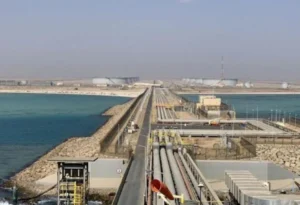
The move comes amid growing concerns over the security of the Strait of Hormuz, through which a significant portion of the world’s oil supply passes daily. Any disruption in this corridor has the potential to trigger global economic repercussions.
US forces have also stepped up enforcement actions beyond the Gulf. In the Indian Ocean, American personnel intercepted and boarded an oil tanker allegedly linked to Iran. Officials described the operation as part of a broader campaign to dismantle illicit maritime networks accused of supporting Tehran’s sanctioned activities.
US defense authorities reiterated that international waters cannot serve as a shield for sanctioned entities, vowing continued crackdowns across key shipping routes. The developments reflect an increasingly aggressive US strategy aimed at curbing Iran’s regional influence.
Meanwhile, the situation intensified further after reports emerged that Iran had seized two container ships near the Strait of Hormuz. Iranian officials claimed the vessels were operating without proper authorization and interfering with navigation systems. The ships were reportedly redirected to Bandar Abbas port.
One of the detained vessels belongs to a major global shipping company and carried an international crew, including nationals from Montenegro. Authorities confirmed the crew members were safe but operating under restricted conditions.
In a separate development, Iranian officials announced the introduction of transit fees for vessels passing through the Strait of Hormuz, marking what they described as the first revenue under a newly implemented toll system. The move has raised questions about the legality and potential impact on international shipping norms.
With military actions intensifying, commercial vessels being seized, and new maritime policies emerging, the situation in the Strait of Hormuz is rapidly evolving into a high-stakes geopolitical flashpoint. Analysts warn that continued escalation could destabilize global energy markets and heighten the risk of direct confrontation.
About The Author