

Trump signals possible military action against Iran in 2027 as Israel seeks an earlier offensive and Pakistan, Egypt and Gulf states work to revive diplomatic negotiations.
US President Donald Trump has warned that Washington could resume military strikes against Iran after the New Year if negotiations fail to produce an agreement, as Israel reportedly pushes for an earlier military offensive against Tehran amid escalating Middle East tensions.
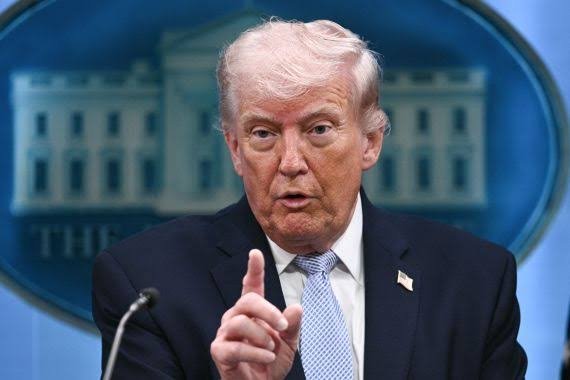
Speaking to Fox News on Sunday, Trump indicated that he was inclined to consider renewed strikes after the beginning of 2027, accusing Iran of prolonging negotiations while maintaining a confrontational approach towards Washington.
He also warned that Iranian vessels attempting to challenge the US naval blockade would face destruction, saying they would “all be at the bottom of the sea like the rest of the navy.”
However, according to Israeli outlet Ynet, the Trump administration has decided to postpone any potential military operation against Iran by at least a week despite pressure from Israeli Prime Minister Benjamin Netanyahu for a joint offensive. Citing US administration officials, the report said Trump was unlikely to authorise an attack in the coming days.
Iran maintains readiness as diplomatic contacts continue
Iranian officials have warned that Tehran remains prepared for further confrontation while keeping diplomatic channels with Washington open.
Iran’s deputy foreign minister said Sunday that negotiations with the United States were continuing, but stressed that the country was prepared for any possible scenario.
Parliament Speaker Mohammad Bagher Ghalibaf also called for stronger and lasting deterrence, arguing that Iran needed to eliminate the continuing threat of war.
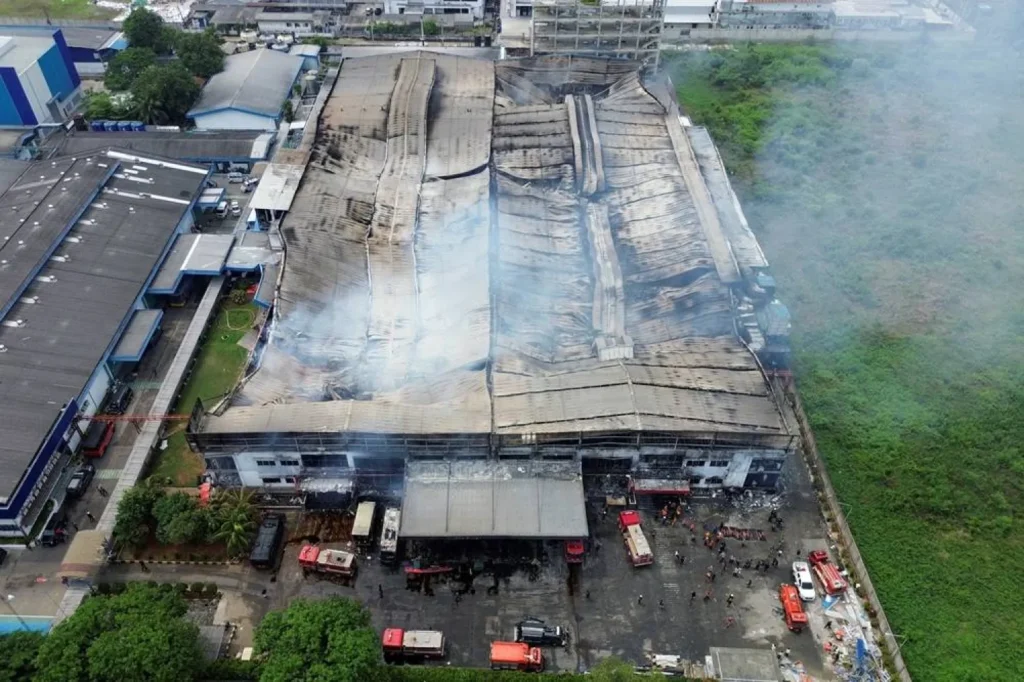
Regional tensions have also intensified following attacks on Bahrain, including an incident involving a civilian industrial facility. Saudi Arabia, Qatar and the United Arab Emirates condemned the attacks and expressed support for Bahrain’s security and sovereignty.
Pakistan joins regional diplomatic efforts
Despite the increasingly confrontational rhetoric, regional governments are continuing efforts to bring Washington and Tehran back to negotiations.
Egyptian Foreign Minister Badr Abdelatty told CNN on Sunday that a diplomatic agreement remained possible, warning that another military escalation could have devastating consequences for the Middle East.
“I believe that there is a possibility for dialogue, for reaching a deal, and for reaching a compromise,” Abdelatty said.
He added that Egypt was coordinating with Pakistan, Qatar, Saudi Arabia and Turkiye to revive negotiations and establish confidence-building measures, identifying a lack of mutual trust as a major obstacle.
Pakistan has also remained engaged in regional consultations. Deputy Prime Minister and Foreign Minister Ishaq Dar discussed the situation with Saudi Foreign Minister Prince Faisal bin Farhan during a telephone conversation on Sunday.
Meanwhile, Prime Minister Shehbaz Sharif is expected to visit Tehran on Dec. 3 for the Economic Cooperation Organization summit following a planned visit to Russia, The News reported, citing diplomatic sources. His official travel schedule has yet to be announced.
Netanyahu pushes for earlier offensive
According to Ynet, Netanyahu is advocating a short but intensive military campaign aimed at significantly weakening Iran’s government and potentially bringing about its collapse.
The report said the Israeli prime minister believes a coordinated offensive lasting several days could achieve results that the ongoing economic blockade has failed to deliver. However, Trump’s advisers reportedly remain divided over the proposed operation.
Israeli broadcaster i24NEWS separately reported, citing security officials, that US Central Command was operating at maximum readiness and favouring military action. The Pentagon has not publicly confirmed the reported military assessments.
Iran war costs raise questions in Washington
The financial and political costs of the conflict are also attracting scrutiny in the United States.
US military operational and munitions replacement costs had reached approximately $48.3 billion by Nov. 13, according to figures disclosed by a Pentagon budget official and reported by The Associated Press. The estimate excludes damage to American military installations across the Middle East.
The Atlantic reported that the Pentagon had restricted congressional access to military facilities in the region and limited information about the conflict’s costs and casualties.
Incoming House Speaker Hakeem Jeffries told CBS News that Democrats would seek to end the conflict, citing its impact on fuel and living costs for American households.
“We need to end this reckless and costly war of choice in Iran,” Jeffries said.
About The Author