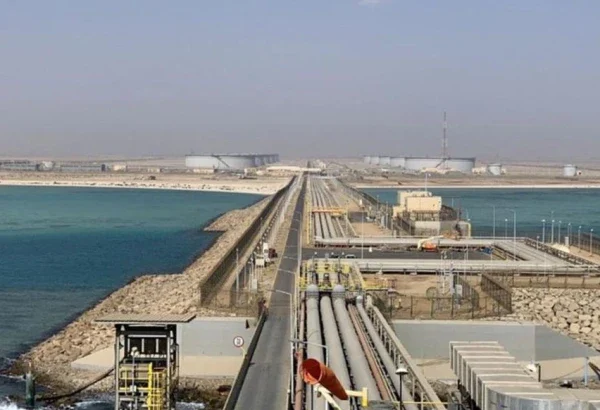

A proposed 60-day agreement would reopen the Strait of Hormuz, restore commercial shipping, and strengthen the fragile ceasefire between the United States and Iran.
WASHINGTON: The United States, Iran and Oman are reportedly on the verge of announcing a breakthrough agreement to reopen the strategically vital Strait of Hormuz, a move that could restore commercial shipping, ease regional tensions and improve stability in global energy markets.
According to Axios, citing two regional sources and a US official, negotiators have reached the final stage of talks after weeks of intensive diplomacy. The proposed arrangement would establish a 60-day interim framework, with the possibility of an extension if both sides continue to honor its commitments.
Under the draft agreement, vessels entering the Persian Gulf would transit through the northern shipping lane under Iranian oversight, while ships exiting toward the Arabian Sea would use the southern lane within Omani waters in coordination with Iran. Commercial vessels would not face transit fees or tolls during the interim period.
The proposal also includes plans to remove naval mines from the central navigation channel within 30 days. Once the route is declared secure, it would become the primary two-way shipping corridor under a longer-term maritime management framework coordinated by Iran and Oman.
The reported deal addresses one of Tehran’s longstanding objectives by recognizing a greater Iranian role in managing navigation through the Strait of Hormuz, one of the world’s most critical energy chokepoints. A significant portion of global crude oil and liquefied natural gas exports passes through the waterway, making its security essential for international markets.
Regional diplomacy has been central to the negotiations. Officials from Qatar, Pakistan and Saudi Arabia reportedly supported Oman’s mediation efforts, while the White House remained closely involved throughout the process. The report said US envoy Steve Witkoff, Iranian Foreign Minister Abbas Araghchi and Omani Foreign Minister Badr Albusaidi held multiple telephone discussions in recent days to resolve the remaining issues.
Sources indicated that Araghchi accepted the proposal in principle over the weekend, pending approval from Iran’s senior leadership and the Supreme National Security Council. According to the report, Tehran completed its approval process on Tuesday, potentially clearing the way for a formal announcement.
About The Author