Delayed negotiations, political rifts, and rising global criticism shape an uncertain geopolitical landscape
By Hasnain Jameel (Bureau Chief London)
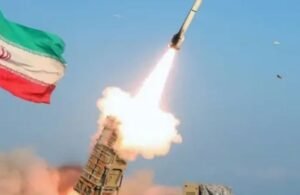
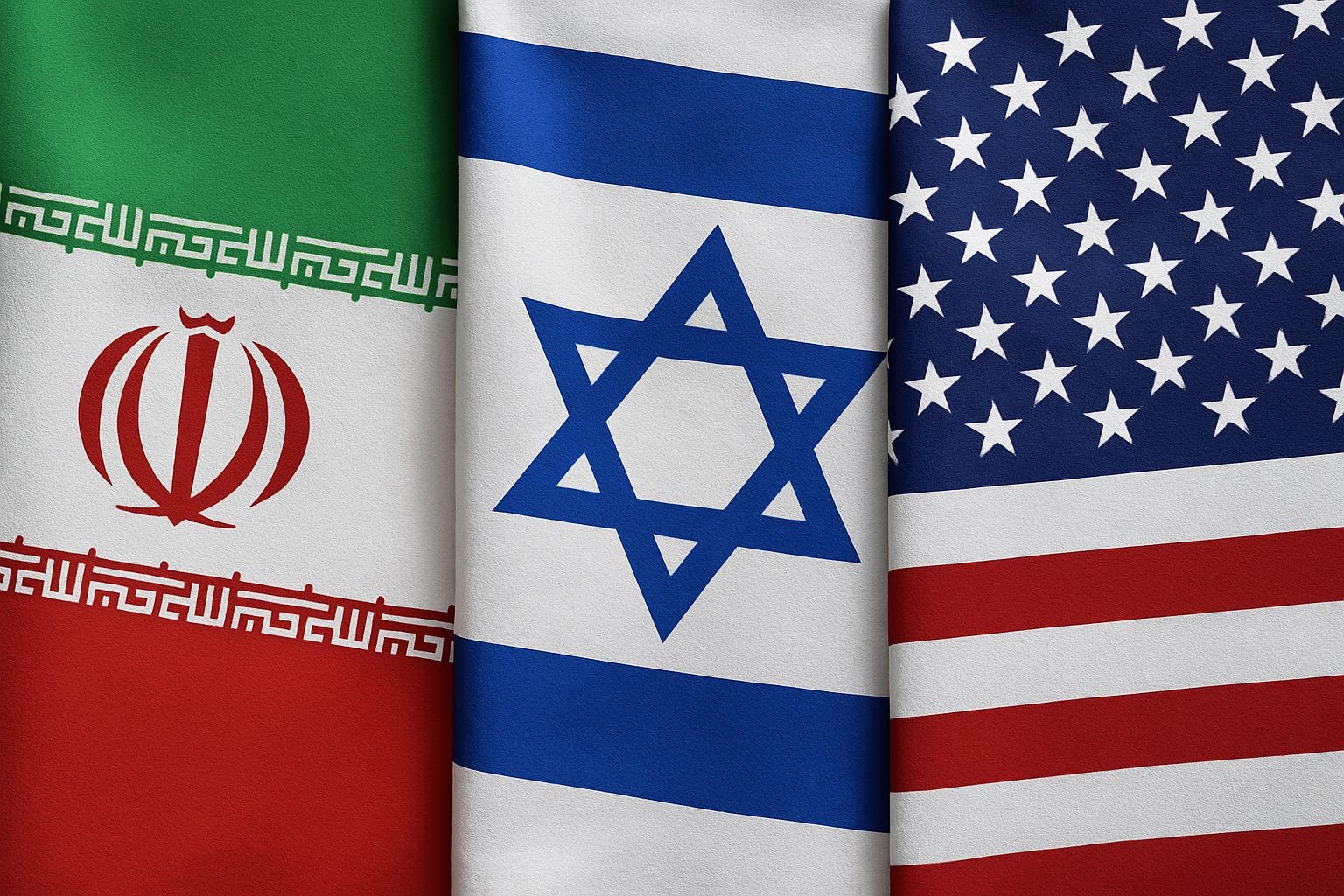
The ongoing tensions between the United States, Iran, and Israel remain unresolved as diplomatic efforts stall amid internal divisions and global scrutiny. Former US President Donald Trump has reportedly extended a ceasefire window, temporarily halting the escalation of conflict with Iran, though no significant breakthrough has emerged.
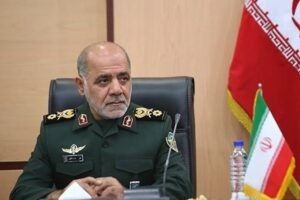
Sources indicate that a second round of negotiations between US and Iranian officials was expected this week but failed to materialize. While the American delegation was prepared to proceed, conflicting reports about the Iranian delegation’s participation led to the postponement, signaling possible internal disagreements within Tehran’s leadership, particularly between political authorities and the Islamic Revolutionary Guard Corps.
Meanwhile, Israeli Prime Minister Benjamin Netanyahu faces mounting international criticism following controversial remarks and incidents involving religious sensitivities. Reports of an Israeli soldier vandalizing a statue of Jesus Christ outside a Catholic church in southern Lebanon have sparked outrage among Christian communities worldwide.
The backlash has also extended to Trump, as tensions rise with Catholic leadership, including Pope Leo, who publicly opposed the use of religious rhetoric to justify military ambitions.
As the United States approaches its upcoming midterm elections and Israel prepares for national polls, analysts suggest that prolonged instability and international criticism could significantly impact the political futures of both Trump and Netanyahu.
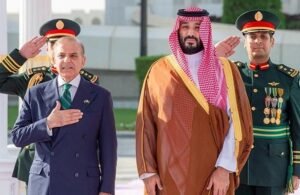
In Pakistan, expectations remain high that diplomatic facilitation may yield economic relief, though rising inflation and public hardships continue to challenge daily life.
About The Author